



Install Steam
sign in
|
language
简体中文 (Simplified Chinese)
繁體中文 (Traditional Chinese)
日本語 (Japanese)
한국어 (Korean)
ไทย (Thai)
Български (Bulgarian)
Čeština (Czech)
Dansk (Danish)
Deutsch (German)
Español - España (Spanish - Spain)
Español - Latinoamérica (Spanish - Latin America)
Ελληνικά (Greek)
Français (French)
Italiano (Italian)
Bahasa Indonesia (Indonesian)
Magyar (Hungarian)
Nederlands (Dutch)
Norsk (Norwegian)
Polski (Polish)
Português (Portuguese - Portugal)
Português - Brasil (Portuguese - Brazil)
Română (Romanian)
Русский (Russian)
Suomi (Finnish)
Svenska (Swedish)
Türkçe (Turkish)
Tiếng Việt (Vietnamese)
Українська (Ukrainian)
Report a translation problem


 Hello everyone!

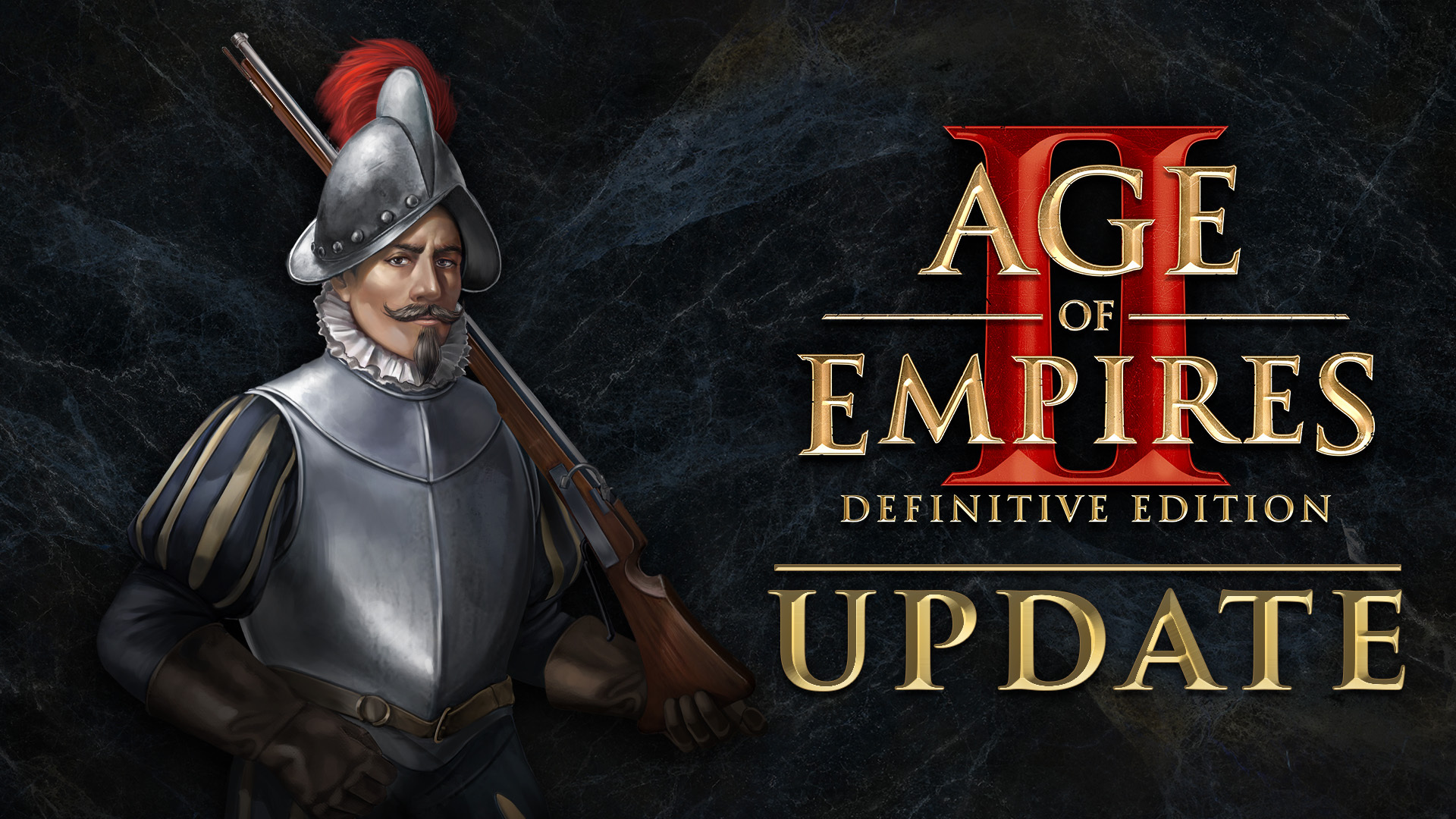 Hello Community! Today we’re shipping a patch that includes some diagnostic tools that are going to help us get some more information about issues that some users are experiencing on Xbox Consoles, and as part of that we wanted to provide some awareness that we’re closely tracking the problems you’re having and that we’re very much working on these issues now.


 Build Order Sheets [PDF]
  4
4


 Guía de campañas AoE II - Parte 2/4: Europa II [Alarico, Bari, Drácula, Ivailo, Koten Khan, Sforza]
 Українська локалізація AOE2DE

 Award
Award


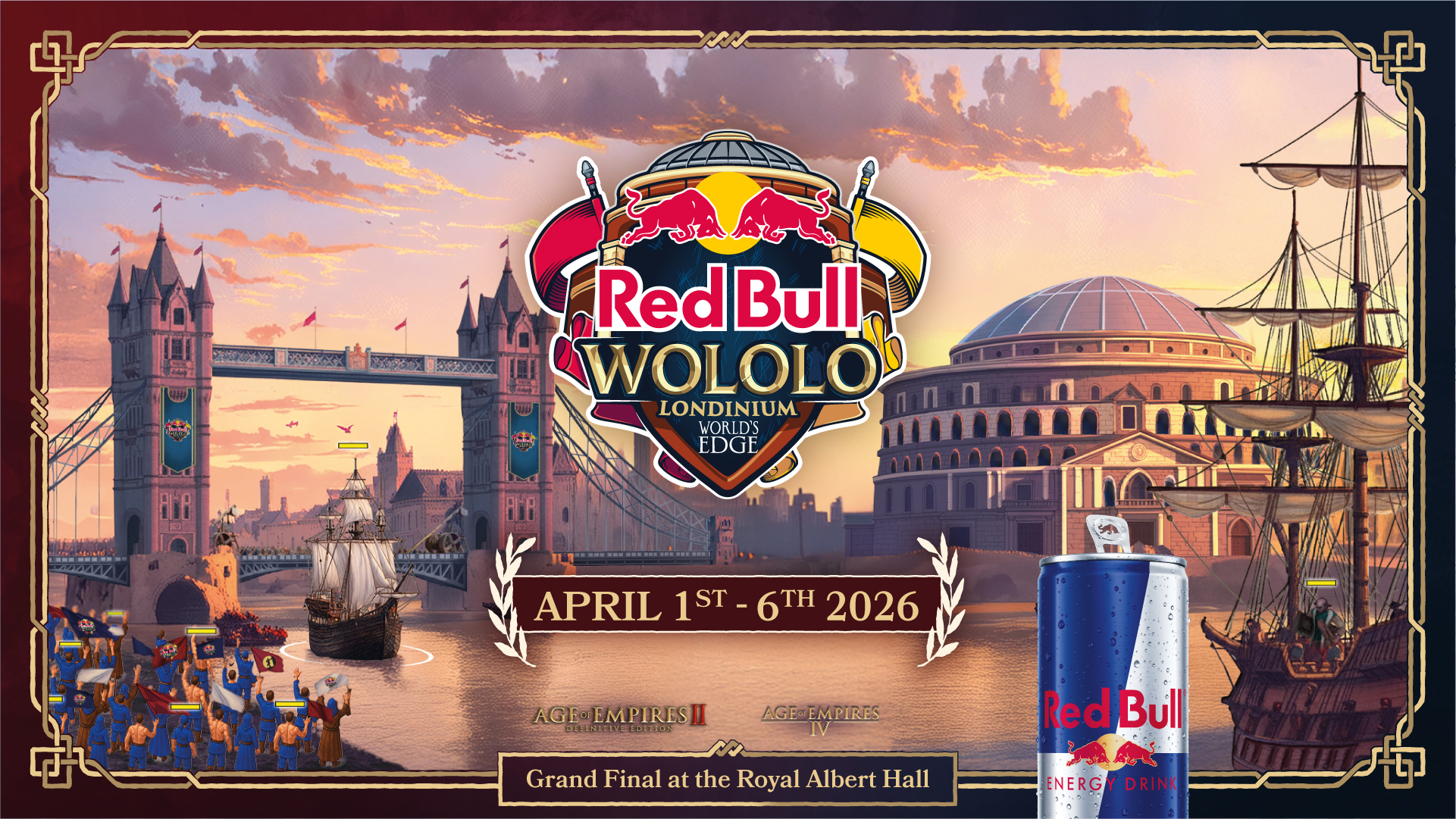 Age fans from around the world have gathered to watch Red Bull Wololo: Londinium live! This year's tournament will feature top players from Age of Empires II: Definitive Edition and Age of Empires IV competing for a massive $250,000 total prize pool.


 Age of Empires II: Definitive Edition (PC) - Achievement - I Was in China Before


 Ancient Tower Defense [Fuhr]




 Loading

