



Install Steam
sign in
|
language
简体中文 (Simplified Chinese)
繁體中文 (Traditional Chinese)
日本語 (Japanese)
한국어 (Korean)
ไทย (Thai)
Bahasa Indonesia (Indonesian)
Bahasa Melayu (Malay) BETA
Български (Bulgarian)
Čeština (Czech)
Dansk (Danish)
Deutsch (German)
Español - España (Spanish - Spain)
Español - Latinoamérica (Spanish - Latin America)
Ελληνικά (Greek)
Français (French)
Italiano (Italian)
Magyar (Hungarian)
Nederlands (Dutch)
Norsk (Norwegian)
Polski (Polish)
Português (Portuguese - Portugal)
Português - Brasil (Portuguese - Brazil)
Română (Romanian)
Русский (Russian)
Suomi (Finnish)
Svenska (Swedish)
Türkçe (Turkish)
Tiếng Việt (Vietnamese)
Українська (Ukrainian)
Report a translation problem


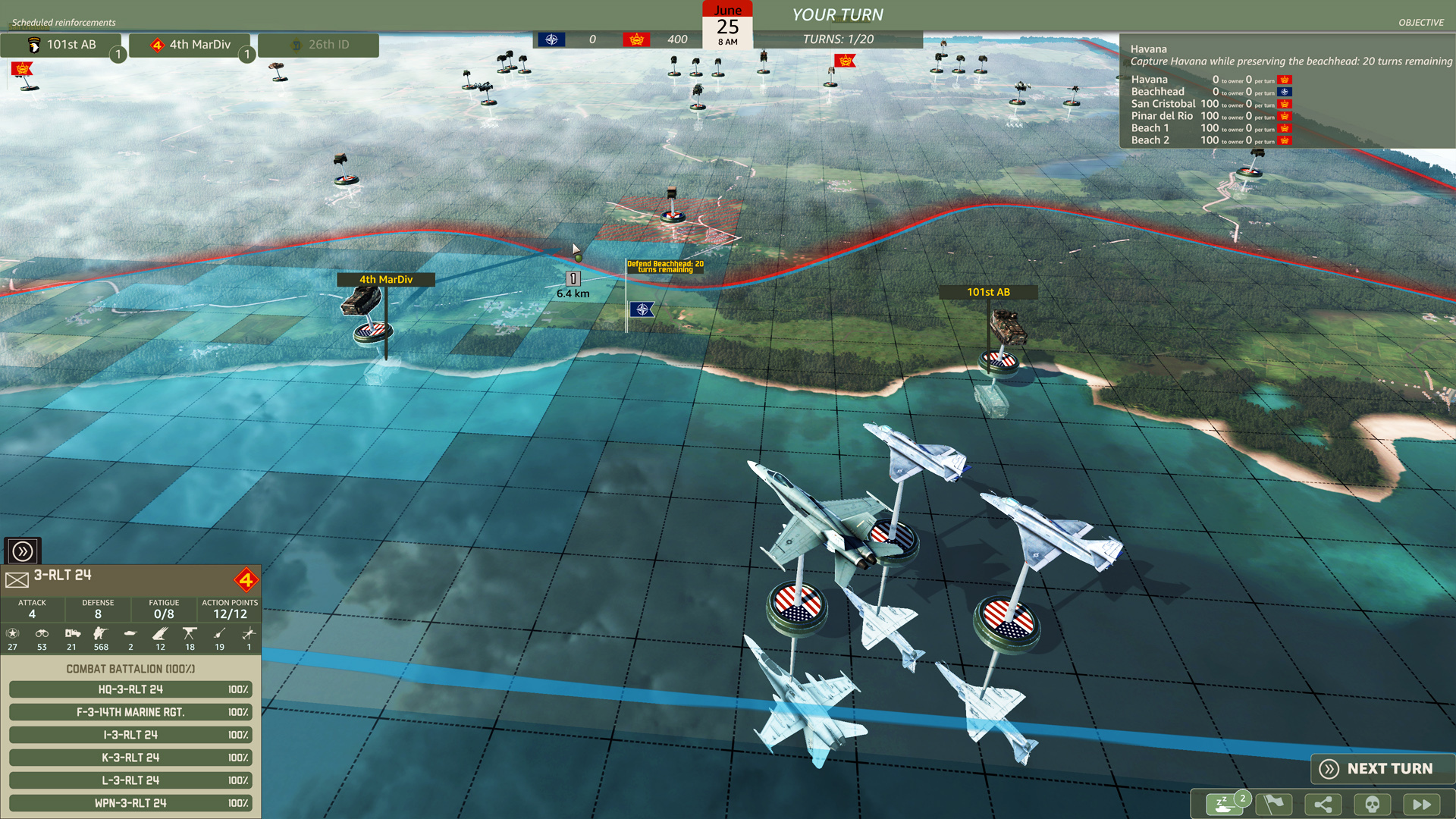
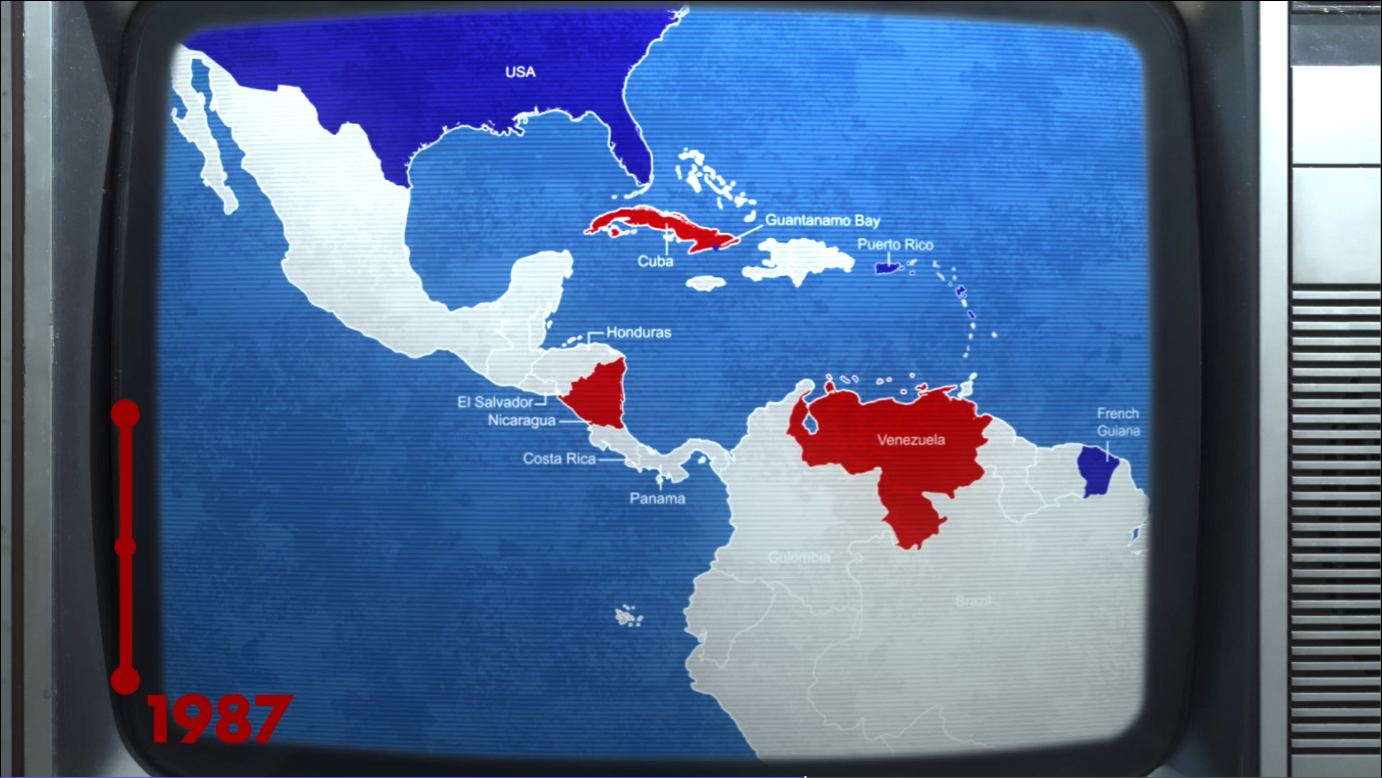 As tension climbs to fever pitch in Europe, so too in South America, especially after Washington receives credible intel that Cuba and the USSR were behind Venezuela’s turn to communism. With war looming against the Warsaw Pact, the United States decides to excise the communist threat in its own backyard. Offensive plans for Venezuela and Cuba are dusted off, hurriedly updated, with the green light given for a full-scale invasion of the Caribbean island off Florida’s coast given precedence.
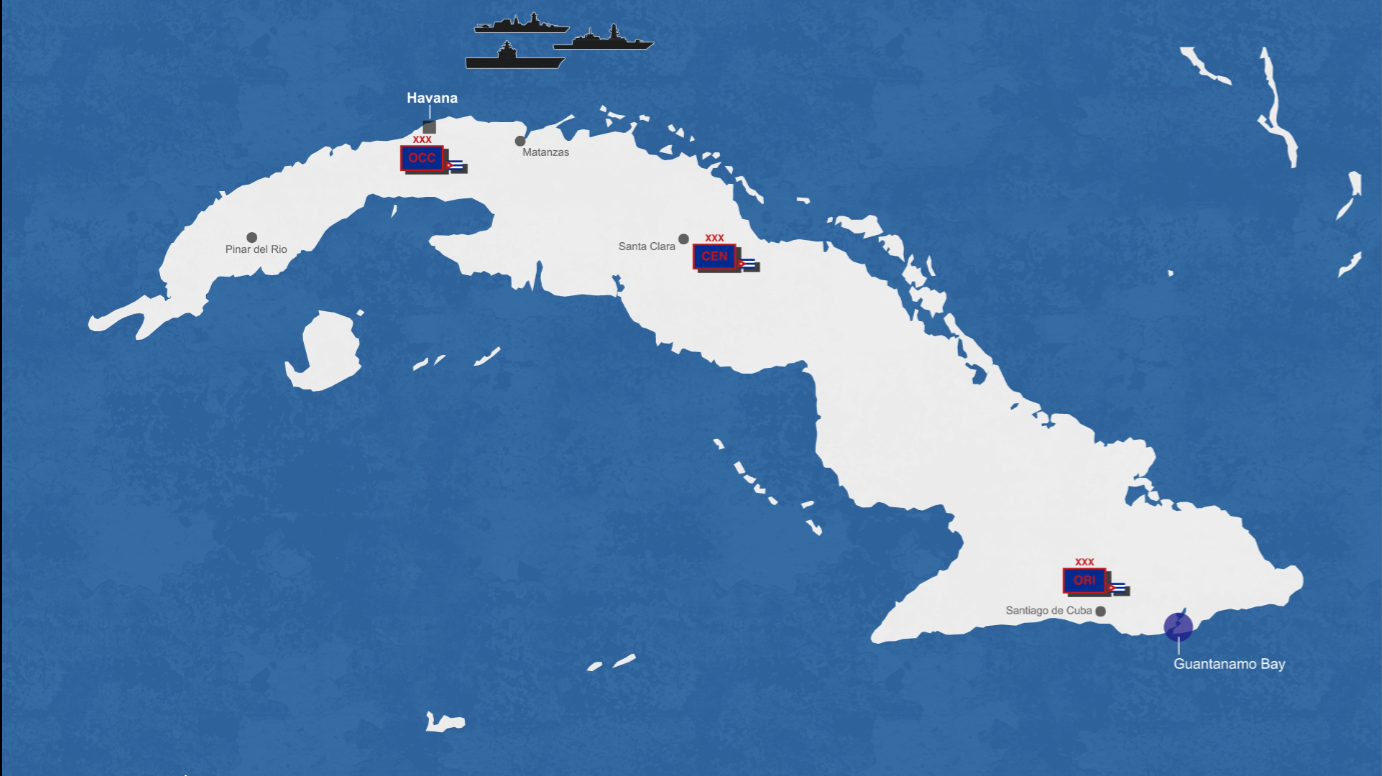 The real invasion will hit the northern shores of Pinar del Río, at the western end of Cuba. This will undoubtedly result in a Cuban response, with heavy reinforcements to be redeployed from the eastern parts of the island nation.
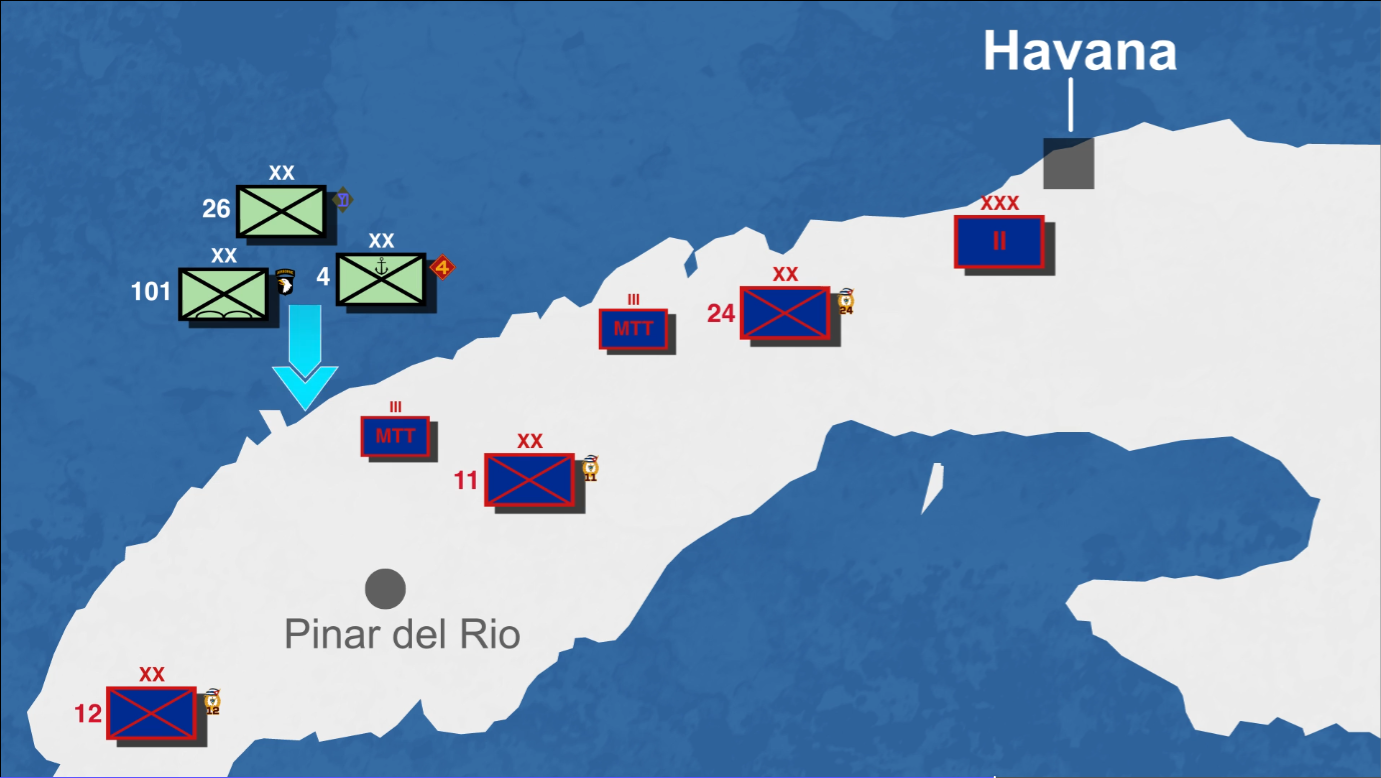 Will the deception be sufficient to catch the Cubans off guard and perhaps give enough time and momentum to open several important (but heavily defended) secondary beaches? Will a quick drive on Havana lead to a successful regime change in Cuba, or a replay of the disastrous Bay of Pigs / Playa Girón invasion in 1961?
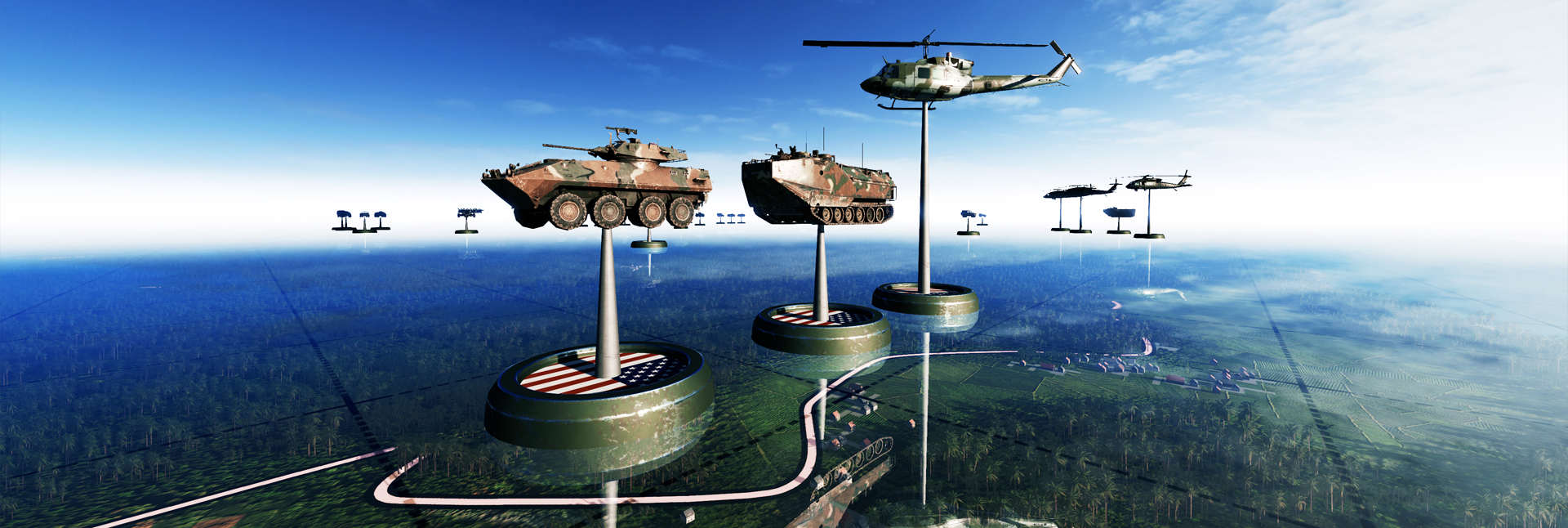 In the follow-up wave, the 26th Infantry Division, also known as the ”Yankee Division”, will become available. These troops come from the Massachusetts National Guard (with some units from Vermont, Connecticut, and Rhode Island), and within the Army General campaign provide a host of less powerful battalions, useful for securing either the beachhead or the advancing spearheads. They can also be used to bring fresh reinforcements for the final offensive on Havana.
 Fuerzas Armadas Revolucionarias
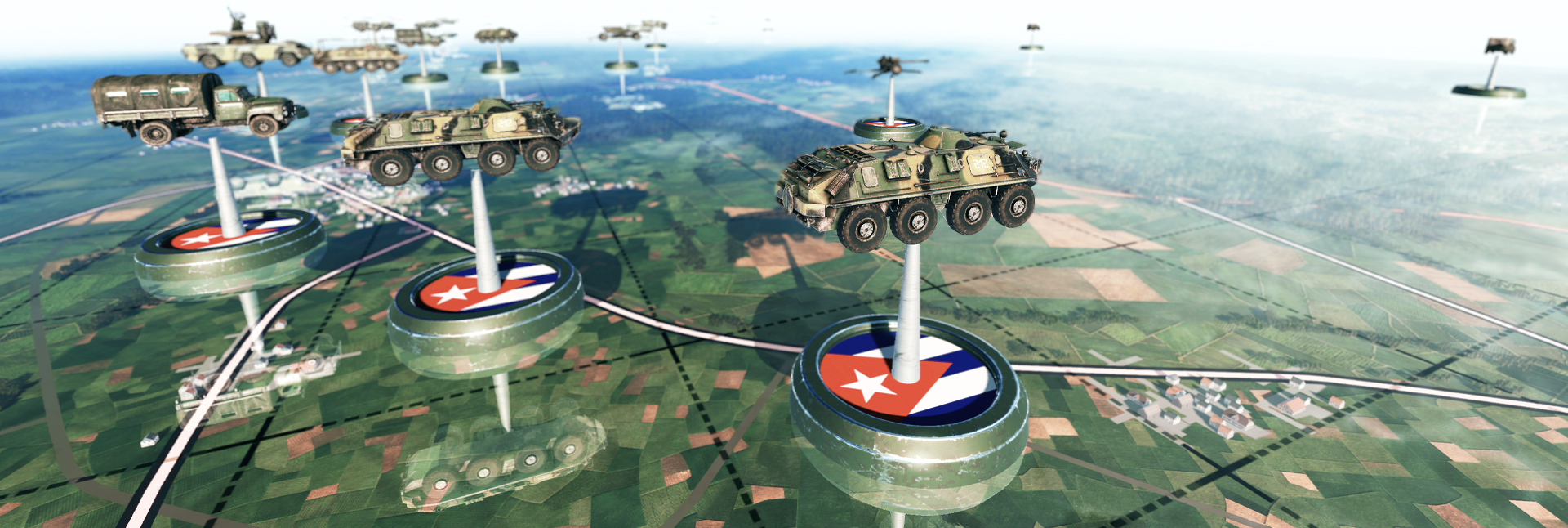 The 2.º Cuerpo will be the main combat force of the Cubans, composed of the 11a División de Infanteria, between Pinar del Río and San Cristobal, and 24a División de Infanteria, from San Cristobal to Havana. The 12a División de Infanteria, further west, is not being featured here, but several smaller corps and army independent battalions, mostly anti-air ones, will be present.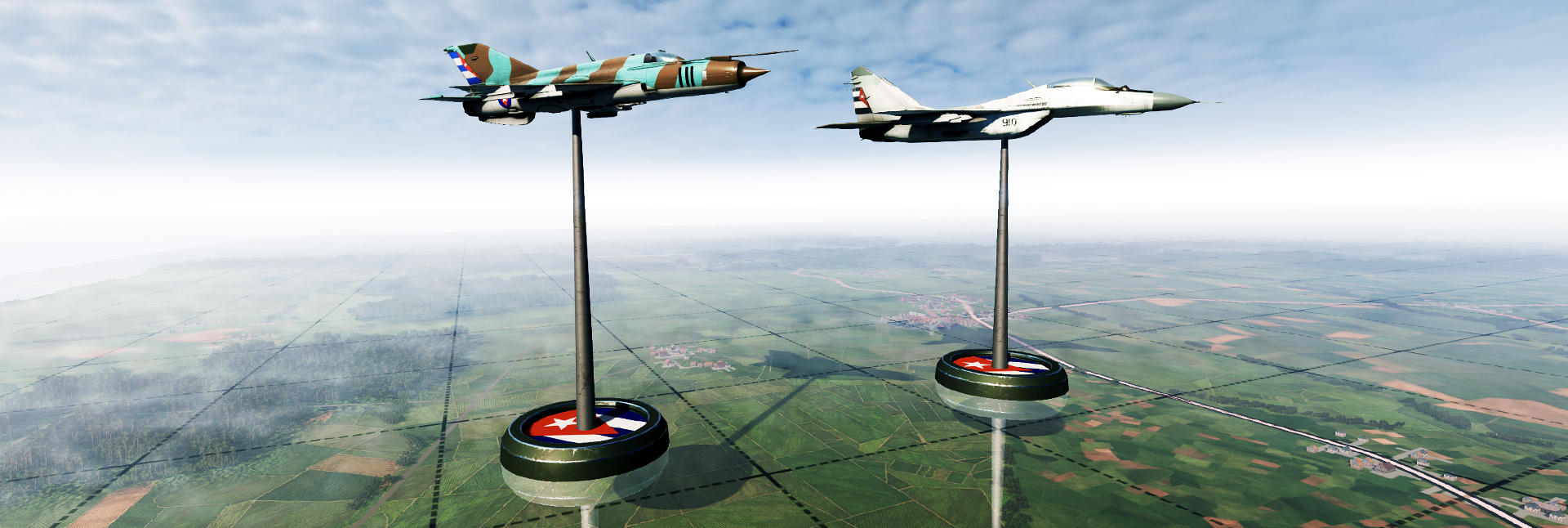
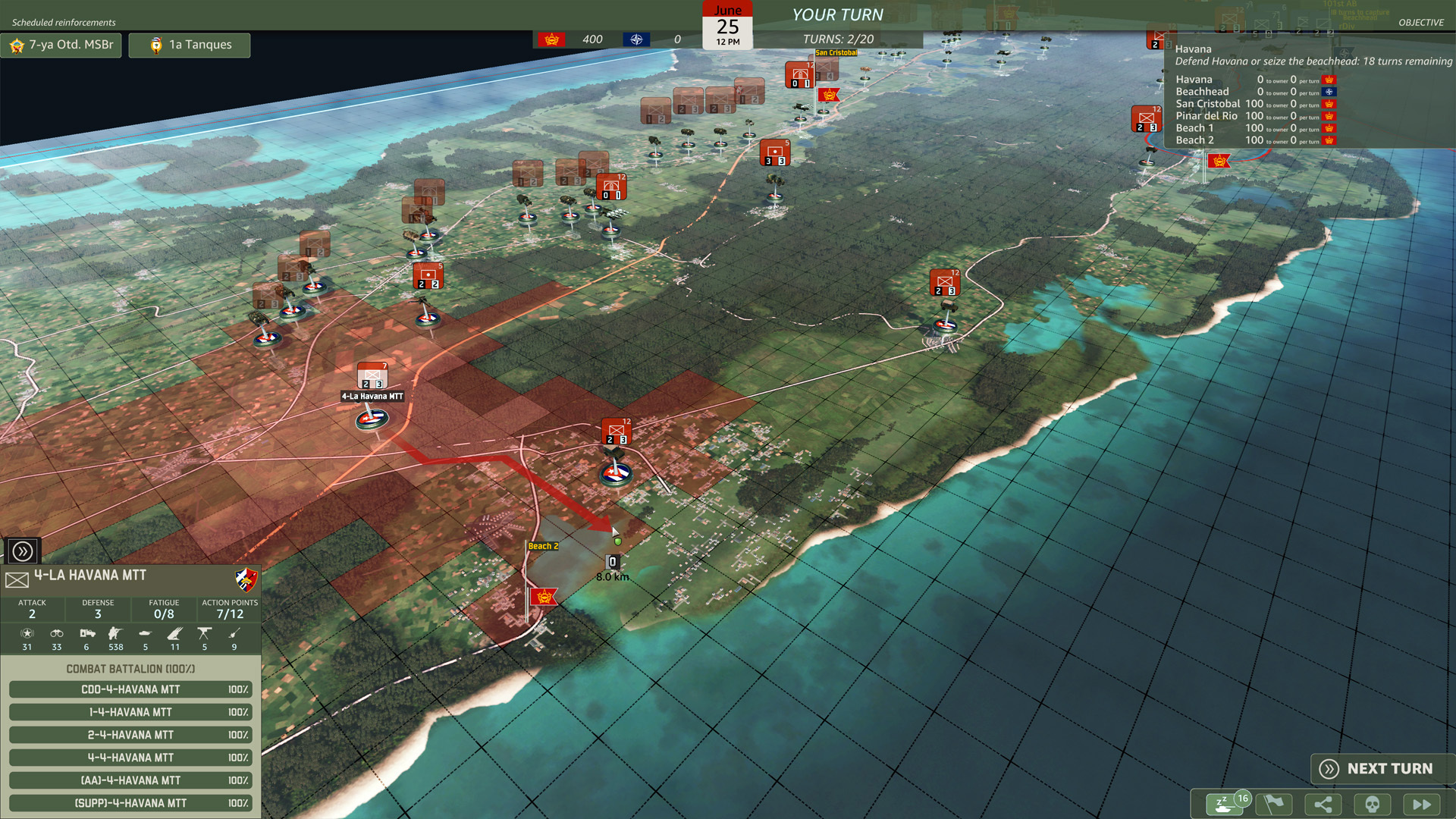 The other route, inland, will be the long way around. This will necessitate an attack south towards Pinar del Río city, with the aim to crush the small 11a División de Infanteria while it is still isolated. Then, American units can use the sole west-east highway to drive east as fast as possible.
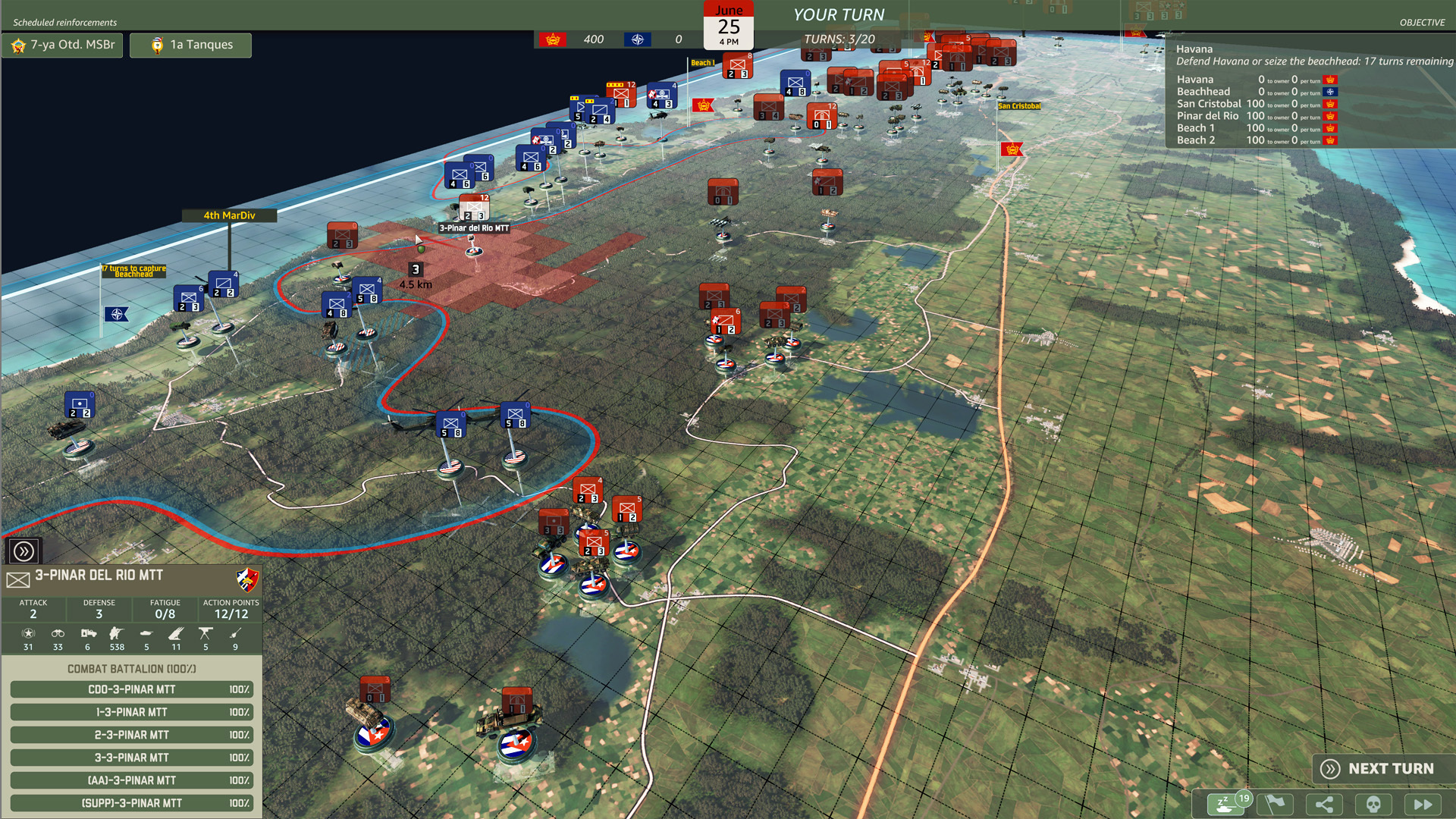 While the terrain is more favorable for rapid movement, including flanking attacks, this sector is unfortunately also where most of the Cuban forces are located. One additional benefit is that this axis of advance will leave the Americans with only one beachhead to defend (but it also means all reinforcements will come from the same point).
 Fuerzas Armadas Revolucionarias


 WARNO BASIC GUIDE FOR COMPLETE BEGINNERS
  272
272
 WARNO Division Overview
 WARNO Keybindings cheatsheet

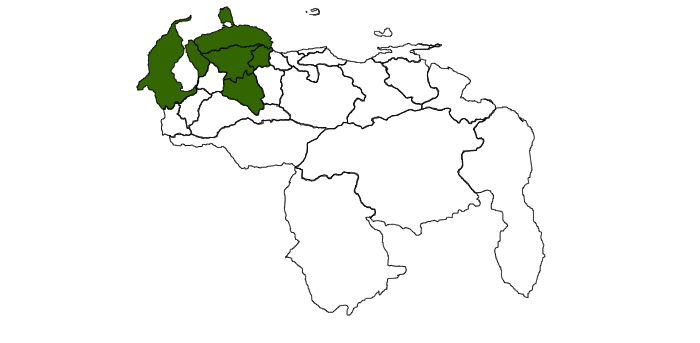
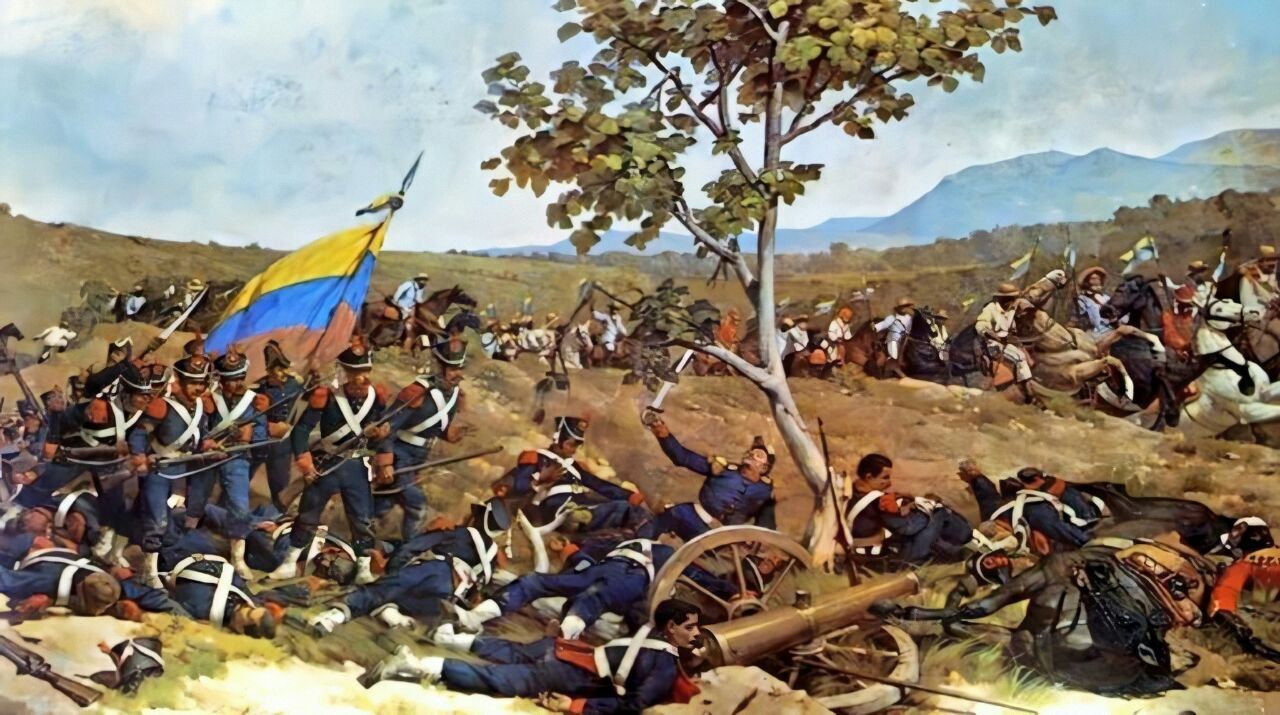 Reorganized many times since, the I División de Infantería was in 1977 based in Maracaibo and given responsibility for the northwestern part of the country, bordering Colombia and the Gulf of Venezuela. During the Caldas Crisis in 1987, the division conducted army maneuvers near the frontier in preparation for the planned incursion into Colombian territory.
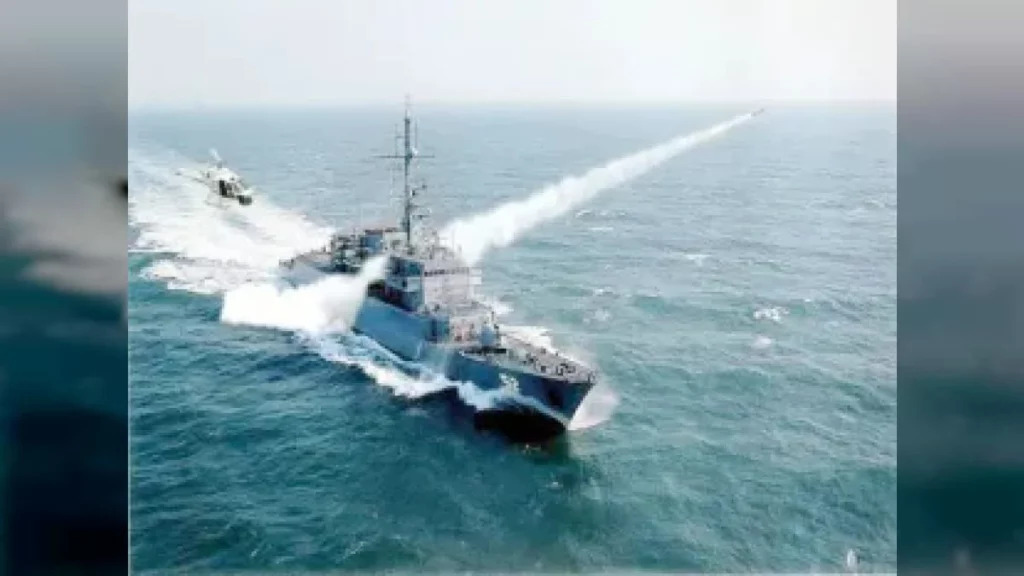 This never came to pass in real life, but as you know, in WARNO - Tropic Storm tension skyrocketed after Hugo Chavez’s successful coup in 1989, with war between a USA-led anti-communist regional bloc (with Colombia and Brazil) and Soviet-aligned Venezuela and Cuba becoming increasingly more likely in the spring of 1989.
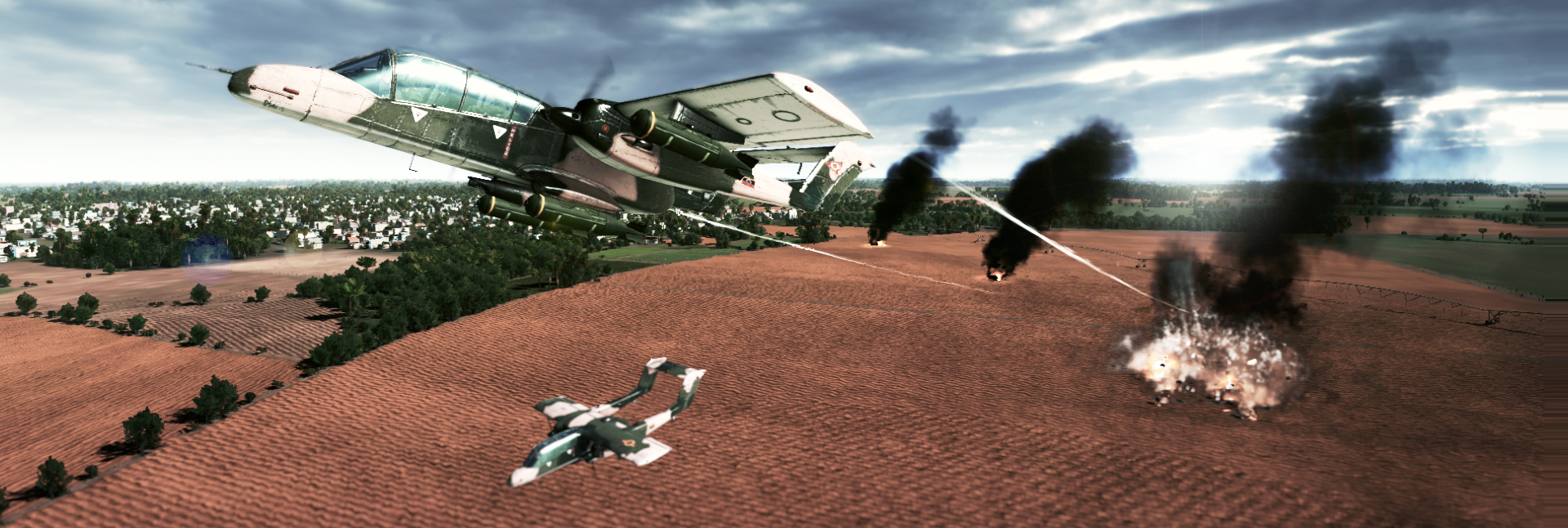
 And, with warm looming in WARNO - Tropic Storm, we have attached several extra units to the division:
 LOG
LOG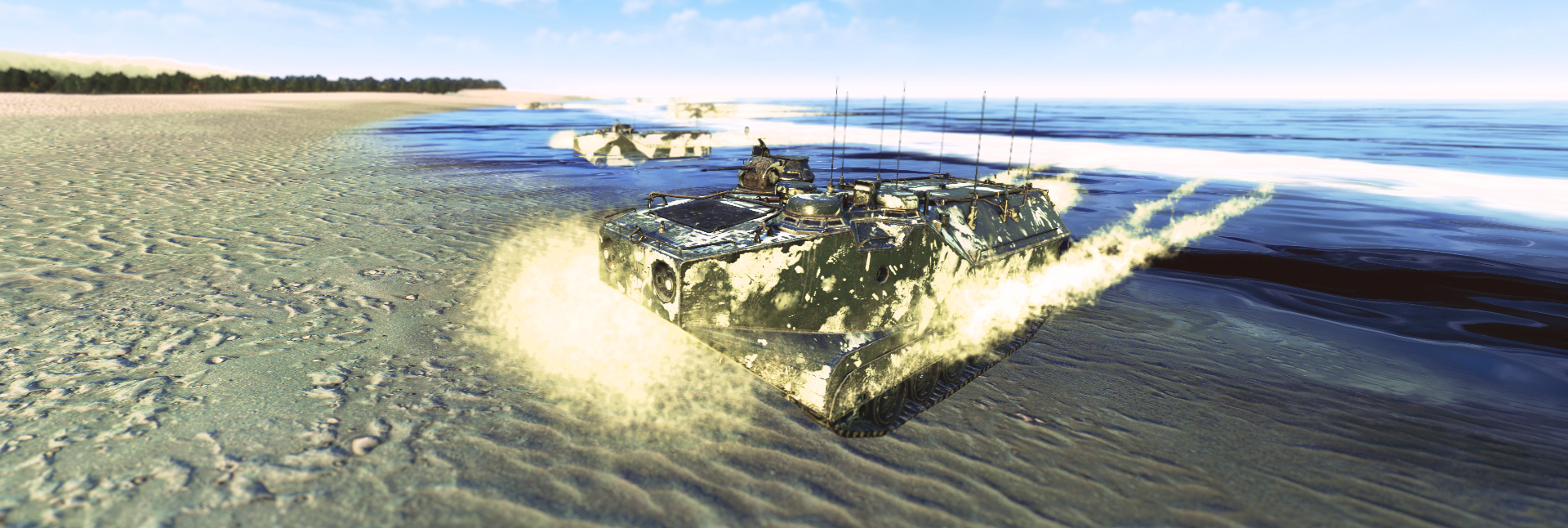 INF
INF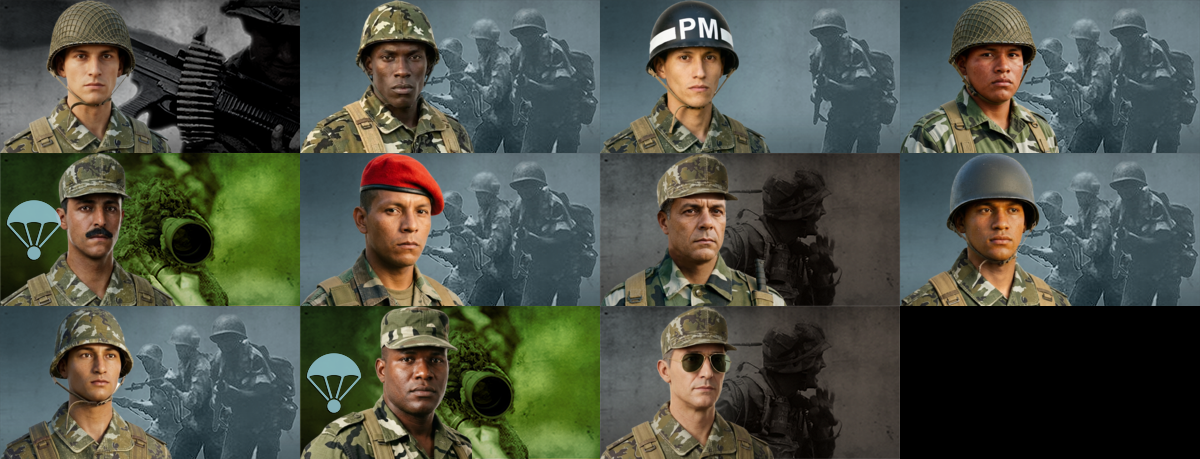 ART
ART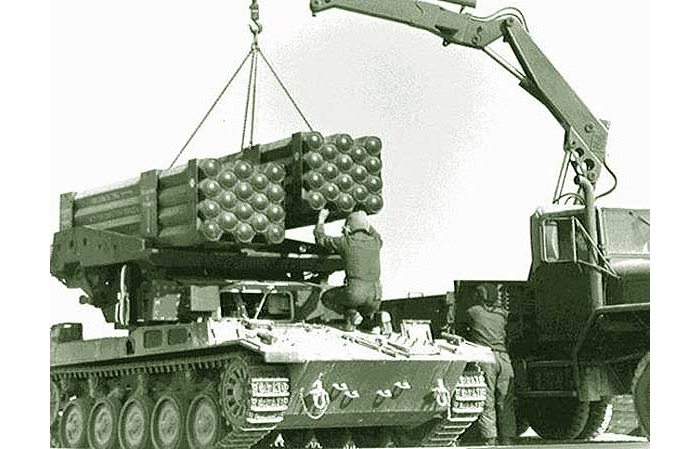 TANK
TANK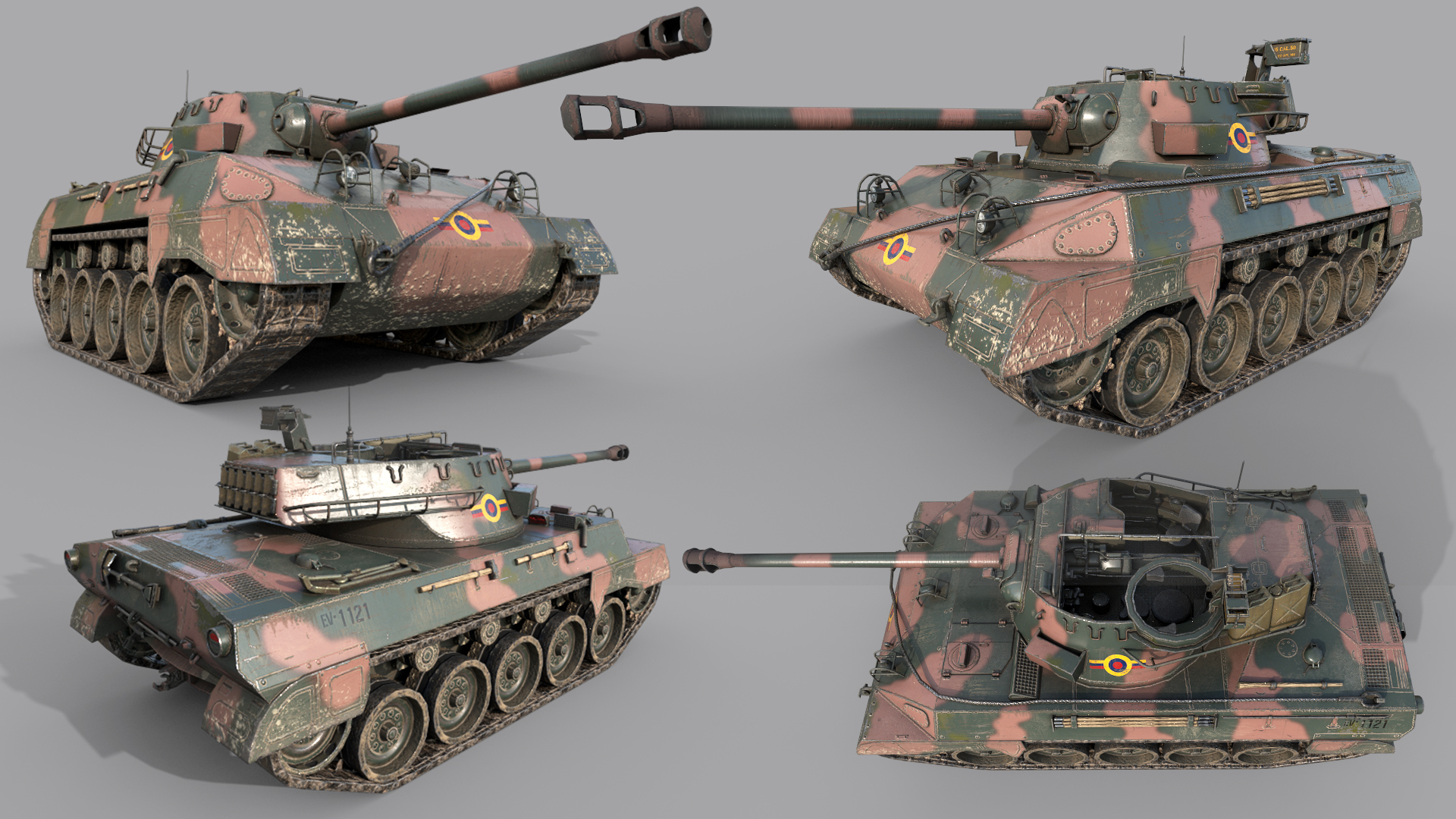
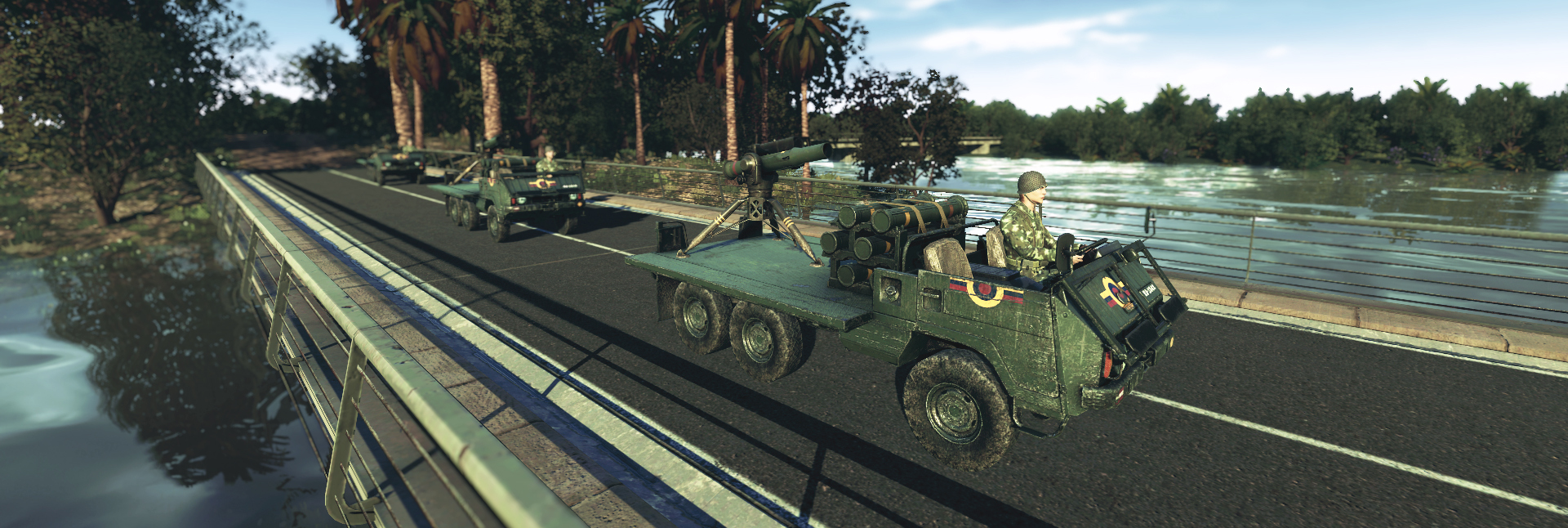 REC
REC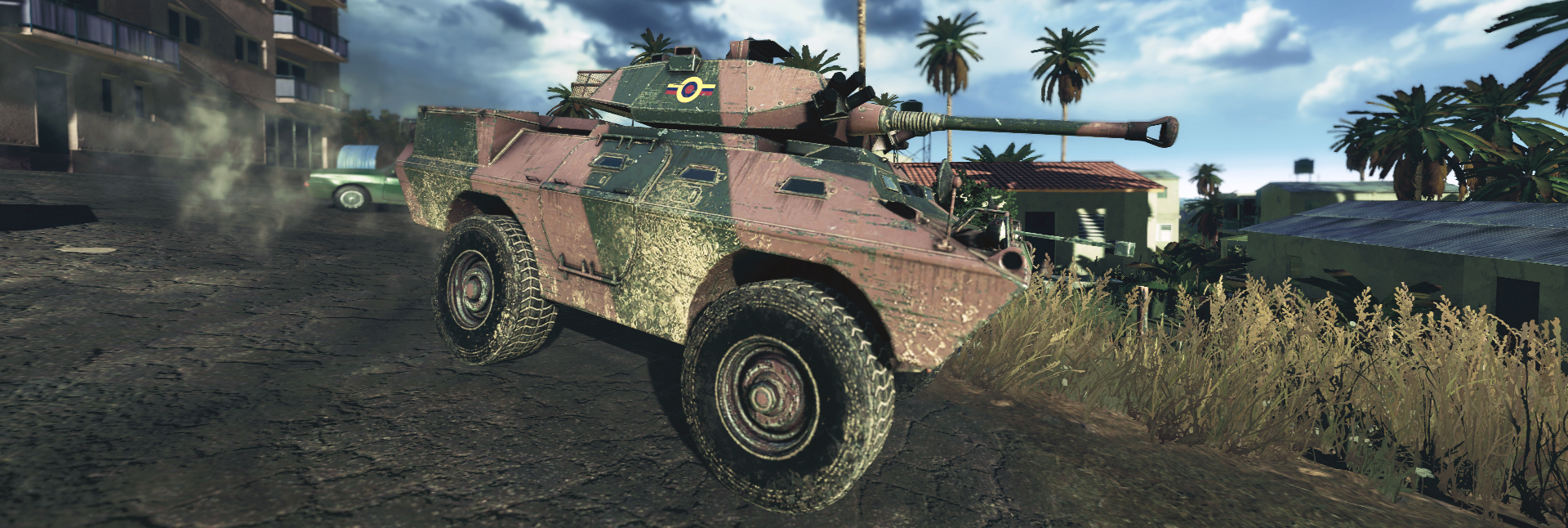
 AA
AA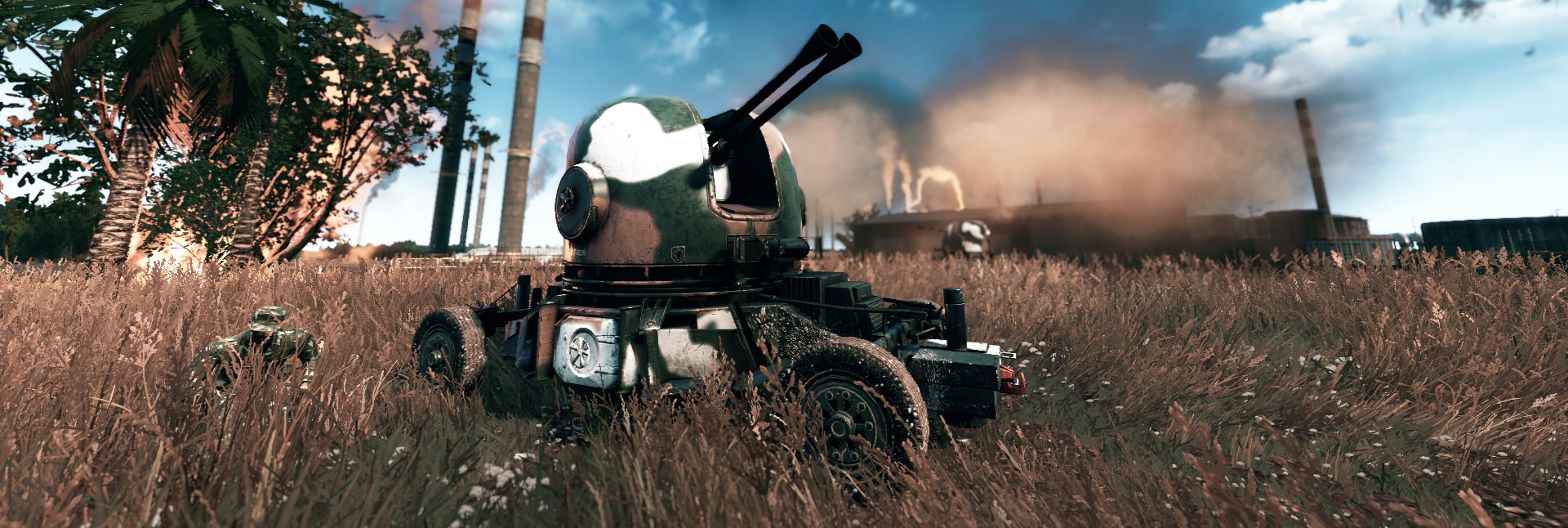 HEL
HEL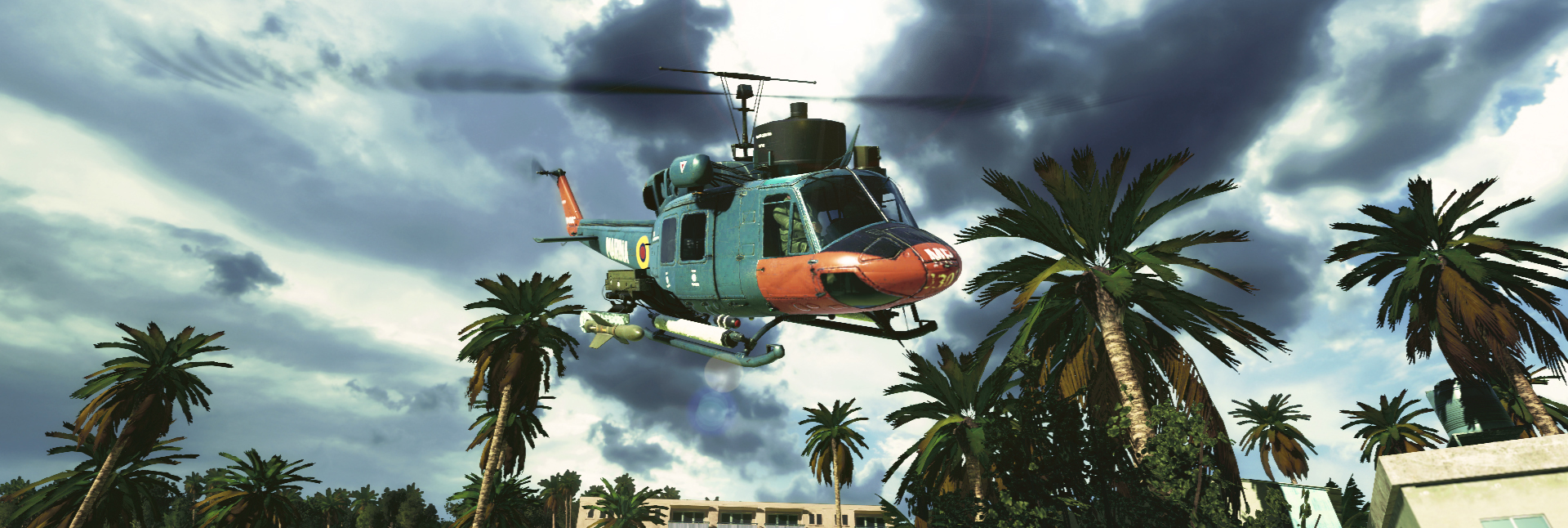 AIR
AIR The I División de Infantería is a well-equipped, infantry-heavy light division with strong recon forces, as well as anti-air and air cover. A serious deficiency is its tanks and armored vehicles, as well as its artillery and helicopter forces, to a certain extent.





 How to politely ask for Morphine in German?
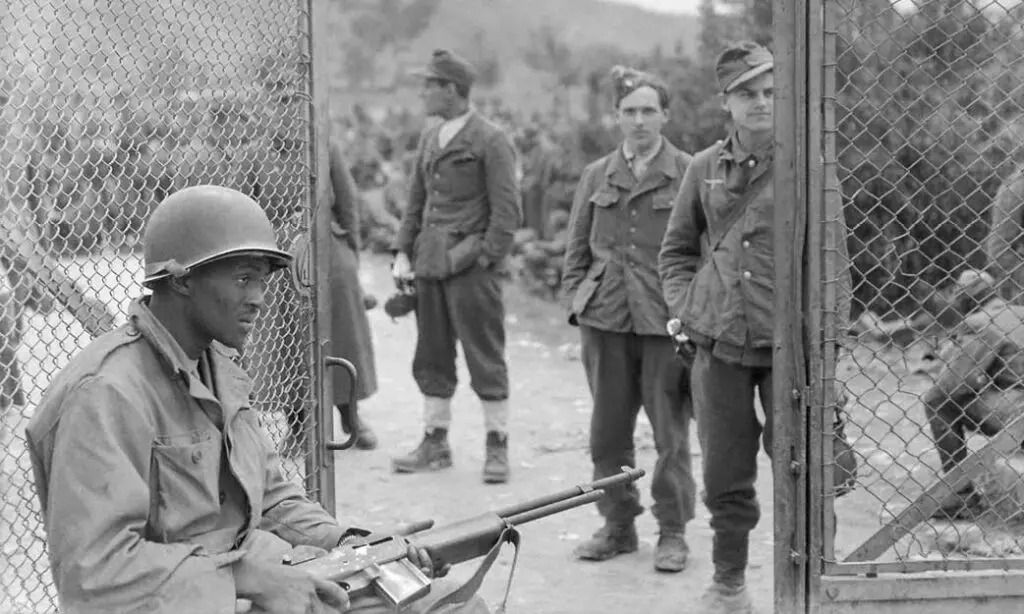 Brazil, as a nation, experienced frequent military-led juntas and dictatorships. For most of the 1960s, 70s, and 80s, it was under prolonged military control following a coup d'état in 1964 that ended the so-called Fourth Republic. During this period, Brazil had five military presidents, with the army playing a fundamental role. While economic reforms led to prosperity in the early stages, including the re-equipment of the Brazilian Armed Forces, by the 1980s, Brazil was mired in a severe economic crisis.
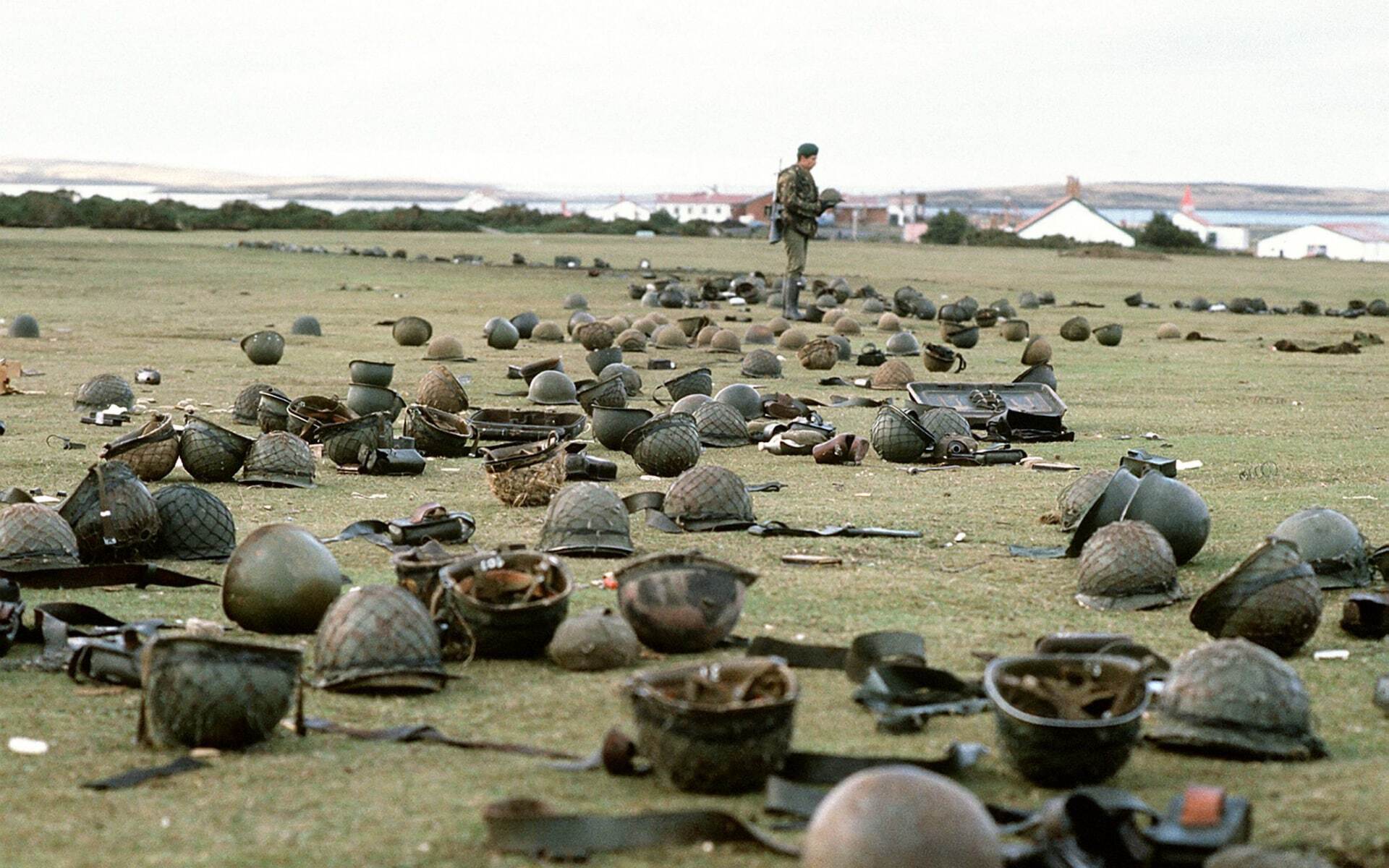 Interestingly so, during the successive presidents, relations with the United States and the Western Bloc went from very tight to cooling significantly. This remained, even into the 1980s, and into Brazil’s democratic rule, but with WARNO - Tropic Storm’s road to war, ties between Brazil and the United States encountered a significant change of fortune.
 Brazil finds itself drawn into the mounting global conflict in WARNO’s late 1980s. The country watches with alarm as Soviet and Cuban-supported revolutionary movements expand the communist influence across the continent. They see it as a direct threat to stability. When Venezuela becomes “red”, and the US creates a new regional alliance, the Brazilians join in.
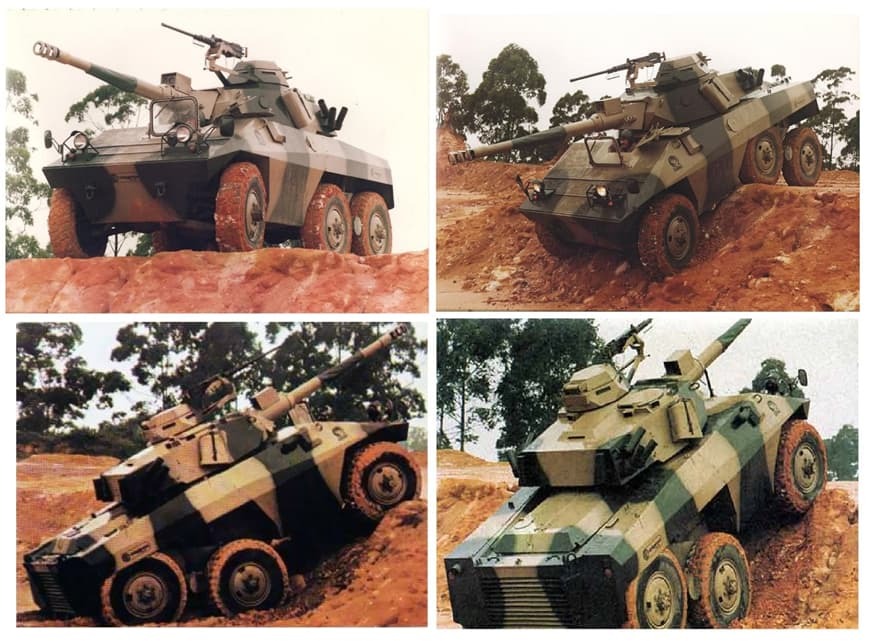 International arms trade slowed by the mid-1980s, largely due to the Soviet Perestroika. Disaster struck for Engesa in 1989 with the end of the Iran-Iraq War (its best clients, stressing the plural as the company equipped both sides). Barely a year later, Engesa filed for bankruptcy, and with it, plentiful projects, including main battle tanks, died with it.
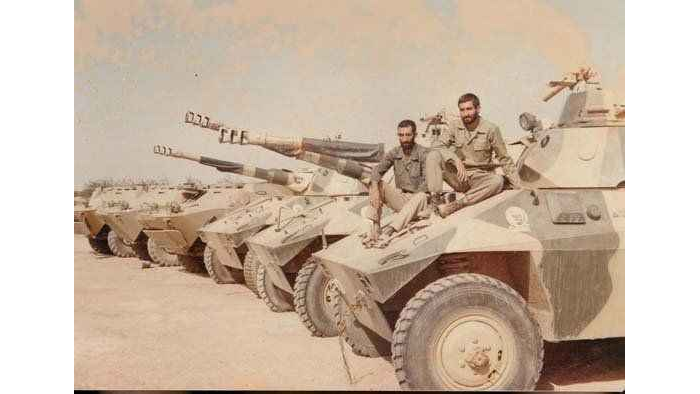 Of course, in our alternative timeline, things turn out a little bit different. As part of the new regional alliance against a “red” Venezuela, Brazil sends one of its most capable divisions, the 3ª Divisão de Exército, as an expeditionary campaign to serve under unified Western command.
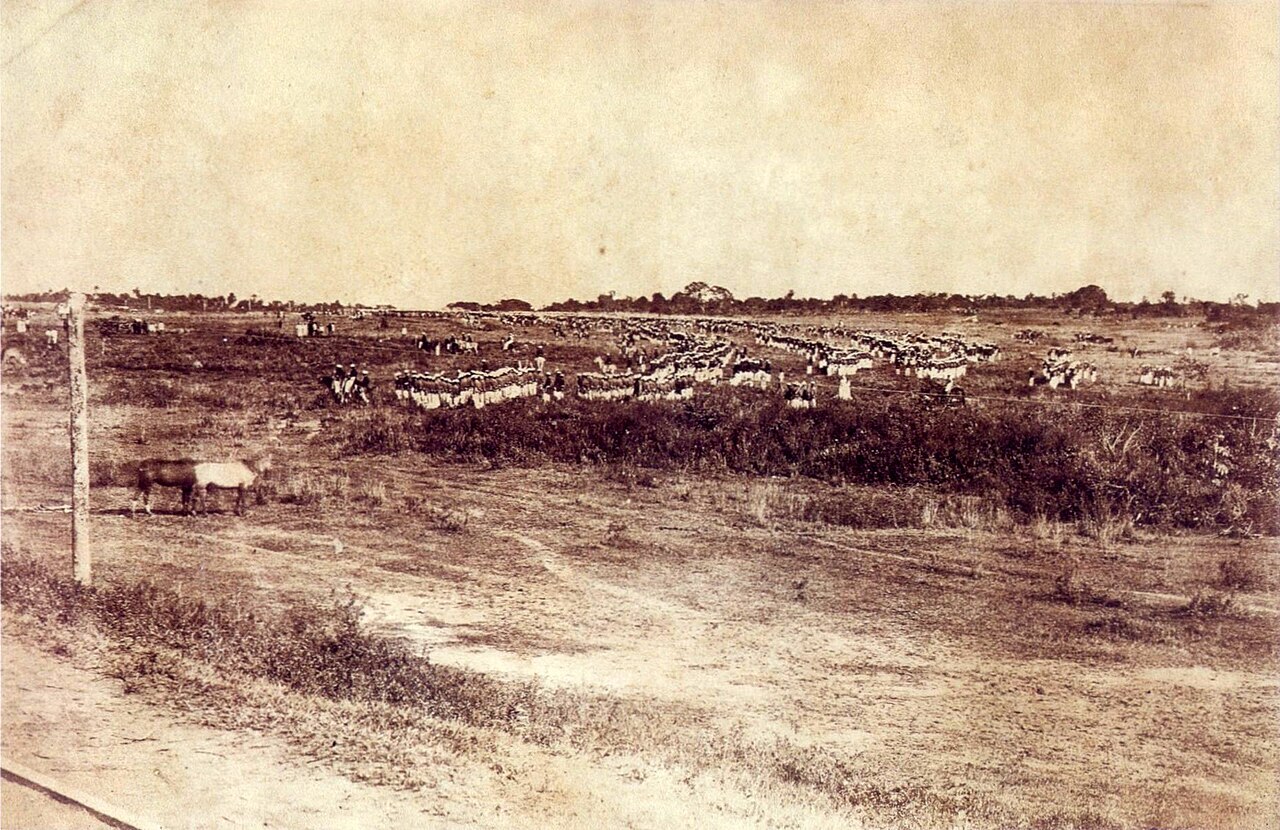 In 1979, it received the honorary title of Divisão Encouraçada, or Armored Division, reflecting its growing concentration of armored and mechanized troops. By the late Cold War, the division represented the spearhead of Brazil’s conventional land power and one of the strongest armored formations in South America.
 LOG
LOG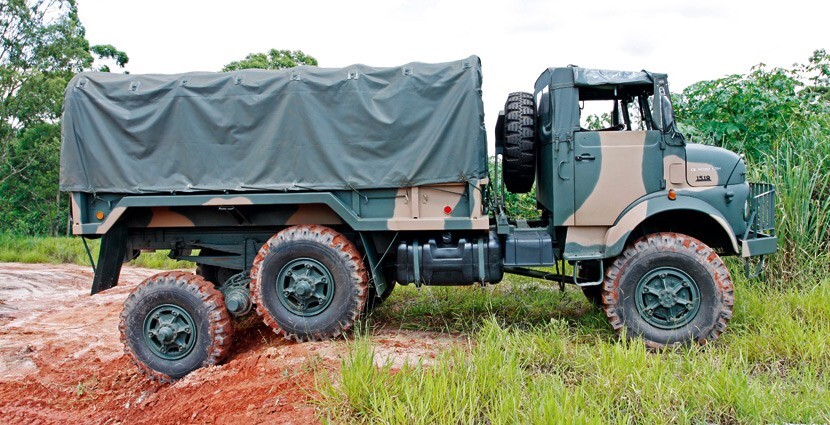 INF
INF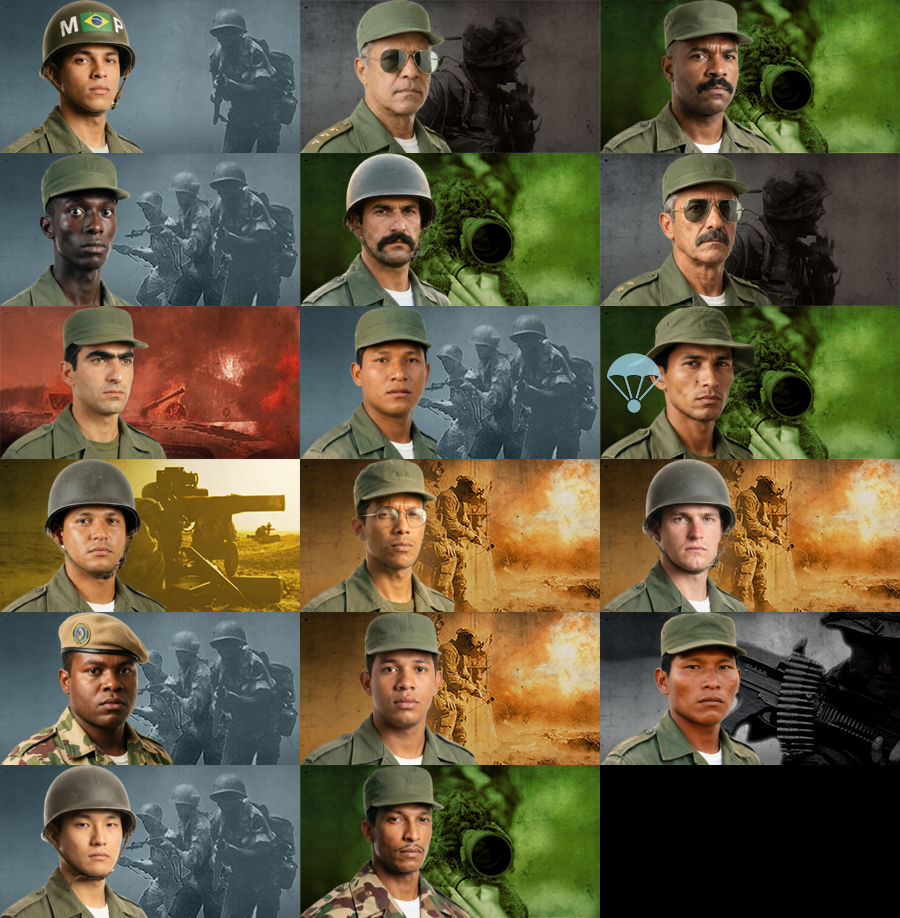 ART
ART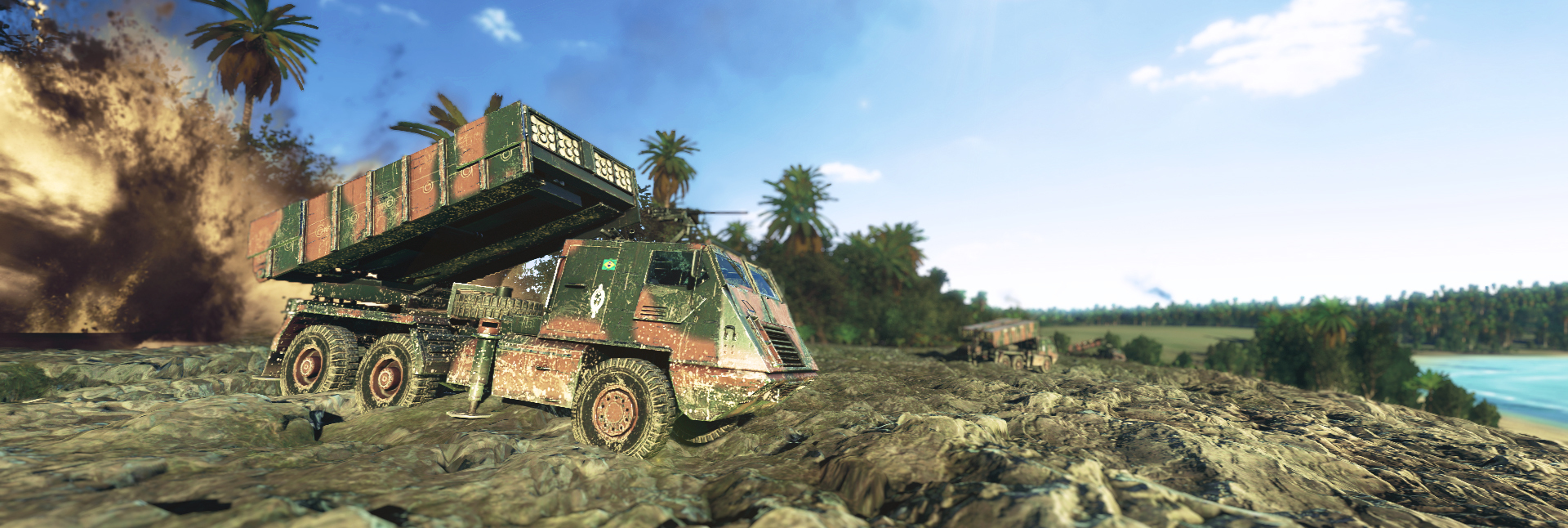 TANK
TANK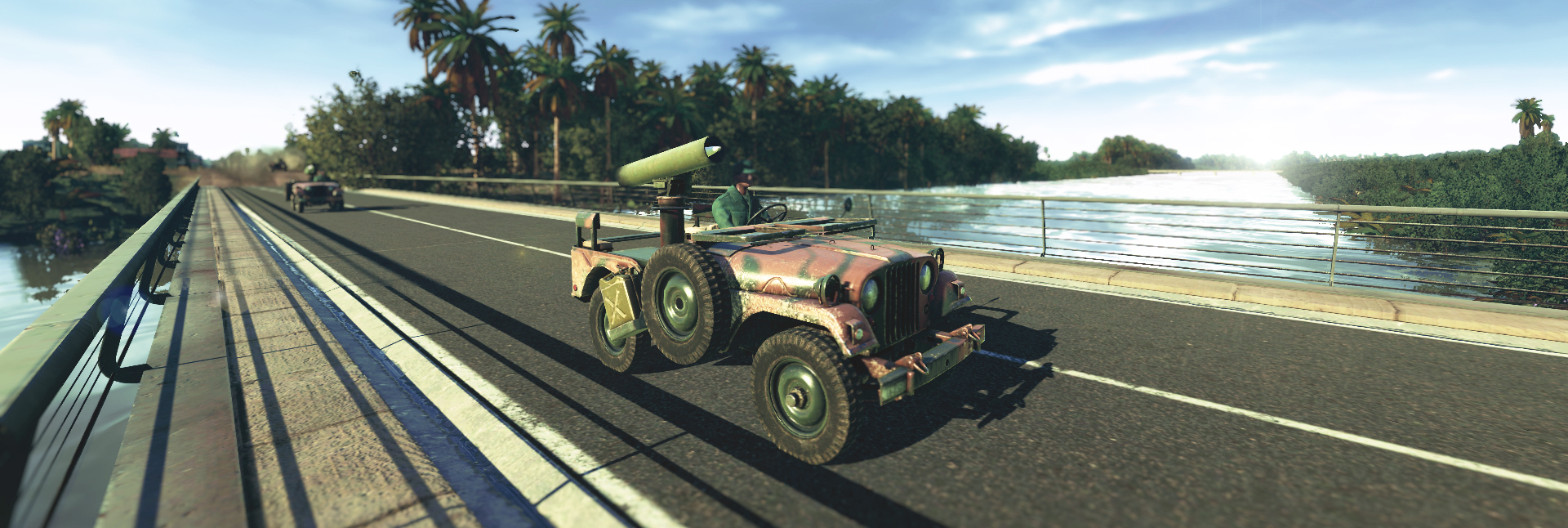 REC
REC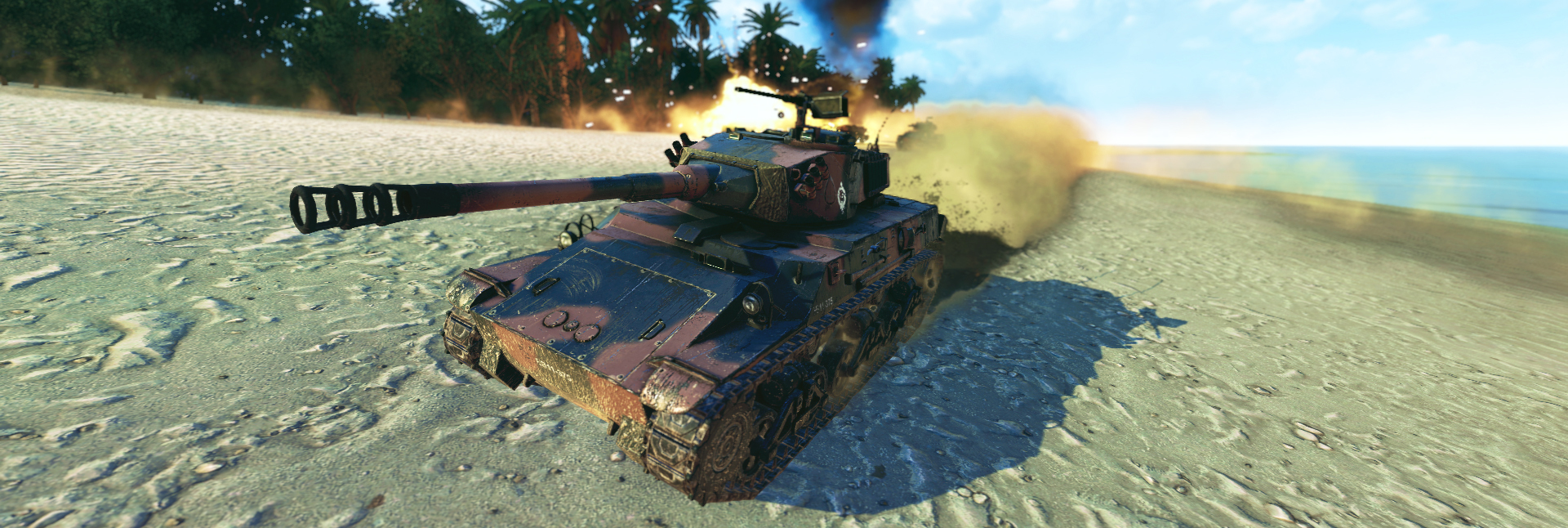 AA
AA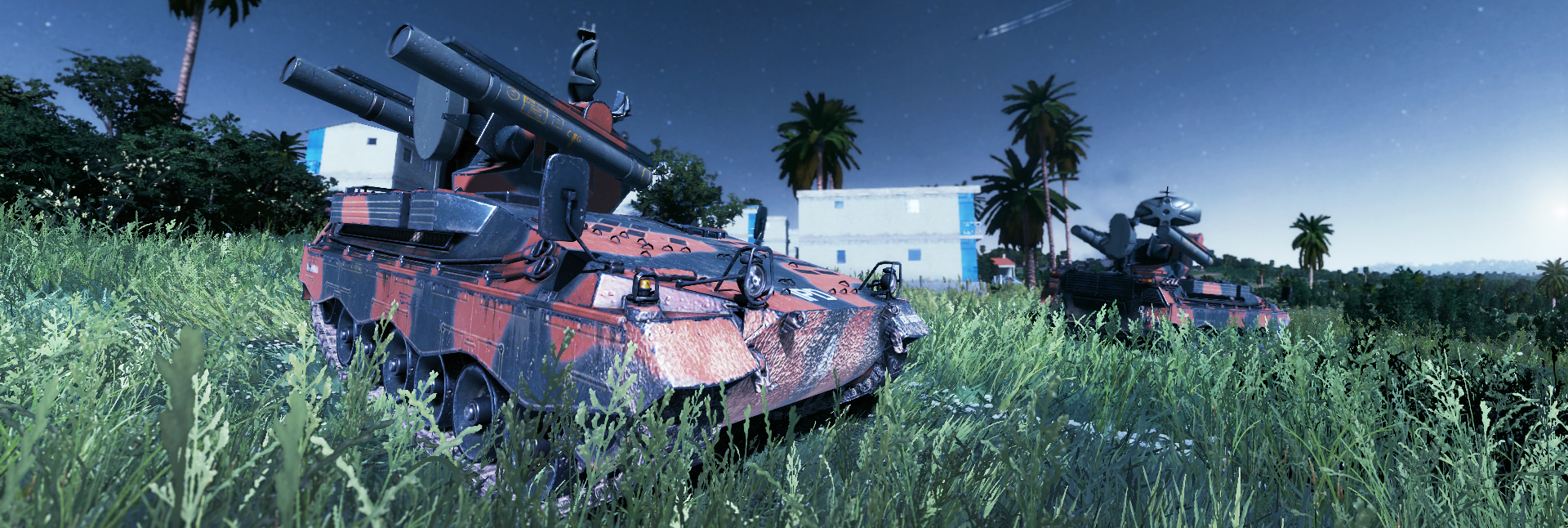 HEL
HEL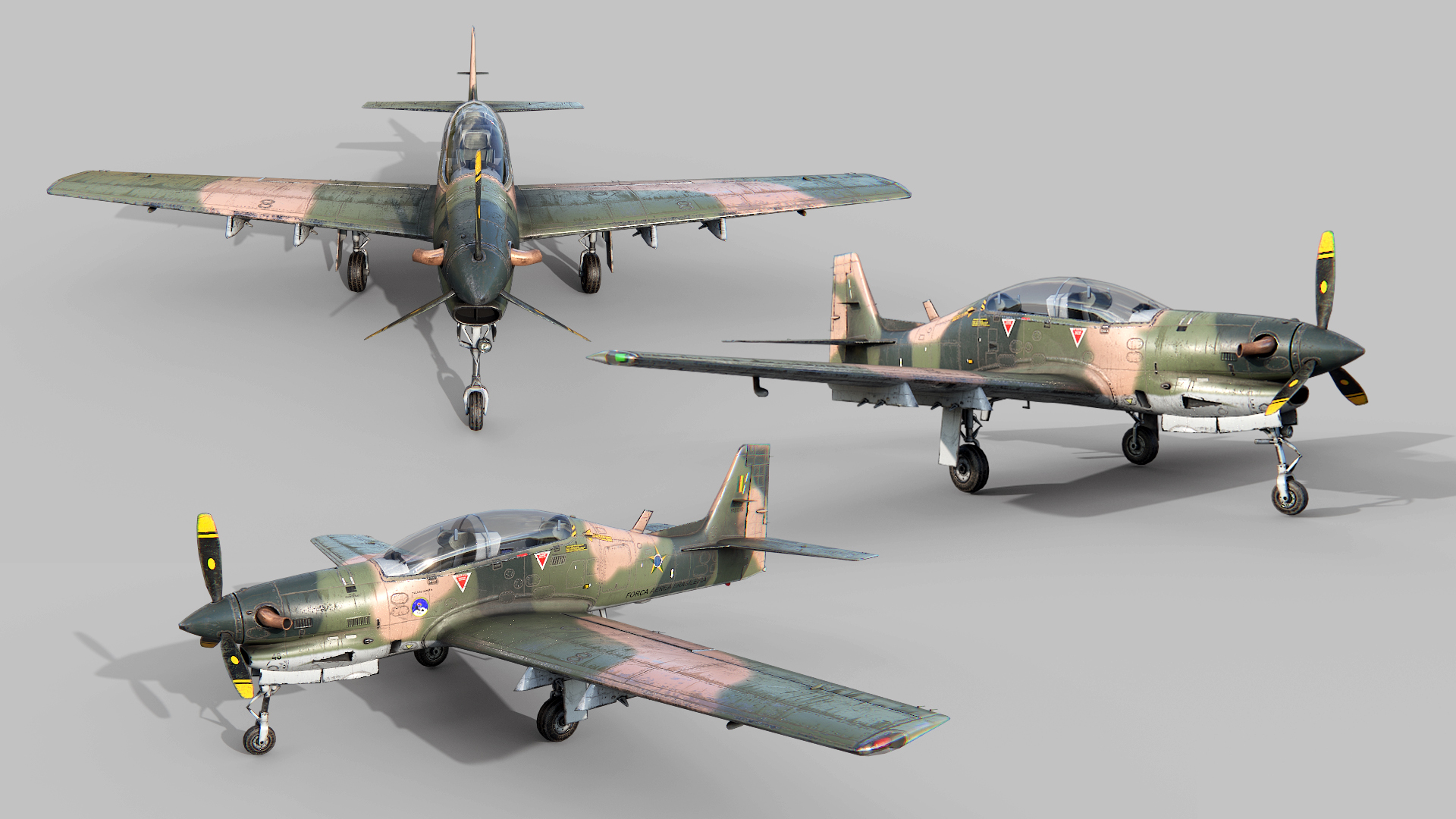
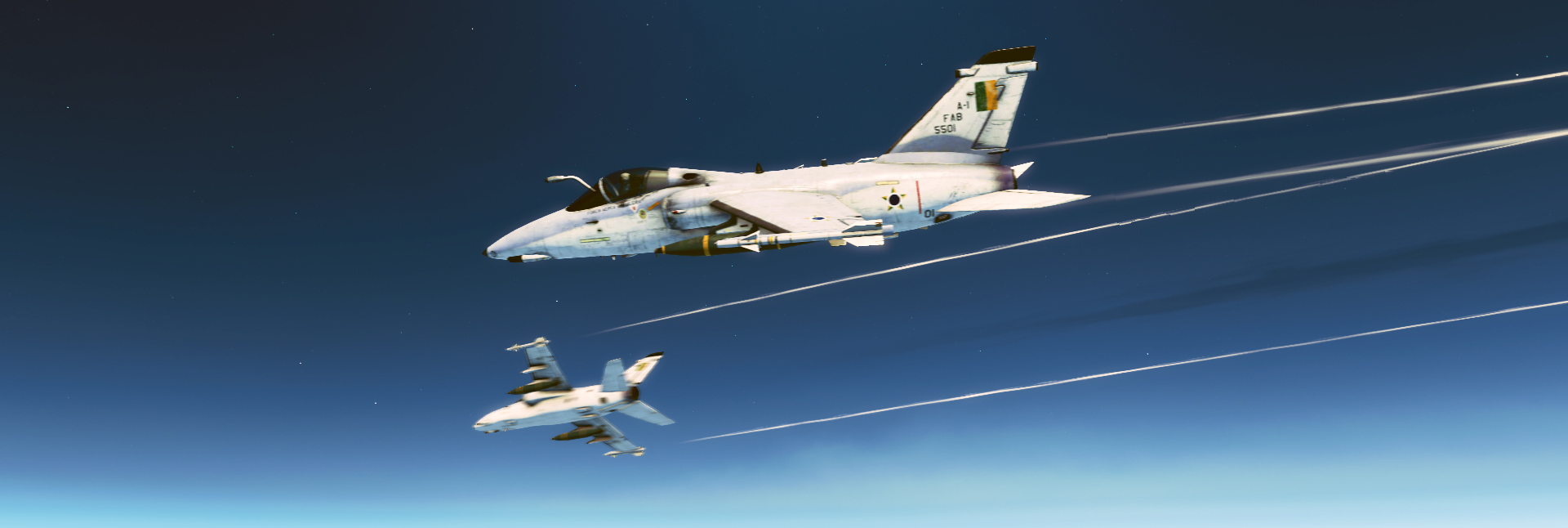 The Brazilian 3ª Divisão de Exército is fast, flexible, and built around several excellent domestic-made units. This particular division plays well in recon and maneuver warfare, with plentiful artillery support.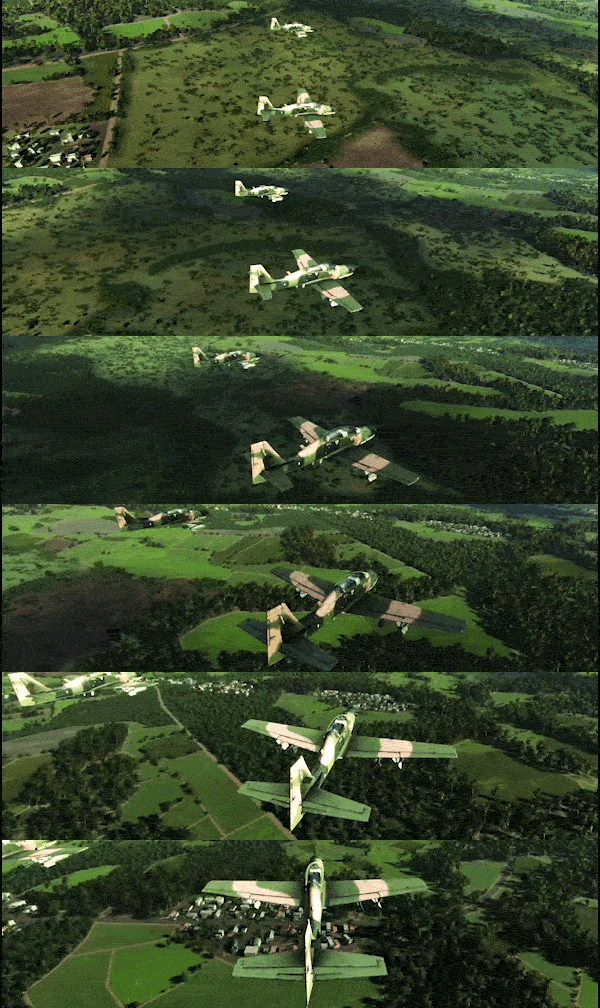



 Award
Award







 TRADUÇÃO WARNO PTBR







 Loading

