



Install Steam
sign in
|
language
简体中文 (Simplified Chinese)
繁體中文 (Traditional Chinese)
日本語 (Japanese)
한국어 (Korean)
ไทย (Thai)
Български (Bulgarian)
Čeština (Czech)
Dansk (Danish)
Deutsch (German)
Español - España (Spanish - Spain)
Español - Latinoamérica (Spanish - Latin America)
Ελληνικά (Greek)
Français (French)
Italiano (Italian)
Bahasa Indonesia (Indonesian)
Magyar (Hungarian)
Nederlands (Dutch)
Norsk (Norwegian)
Polski (Polish)
Português (Portuguese - Portugal)
Português - Brasil (Portuguese - Brazil)
Română (Romanian)
Русский (Russian)
Suomi (Finnish)
Svenska (Swedish)
Türkçe (Turkish)
Tiếng Việt (Vietnamese)
Українська (Ukrainian)
Report a translation problem


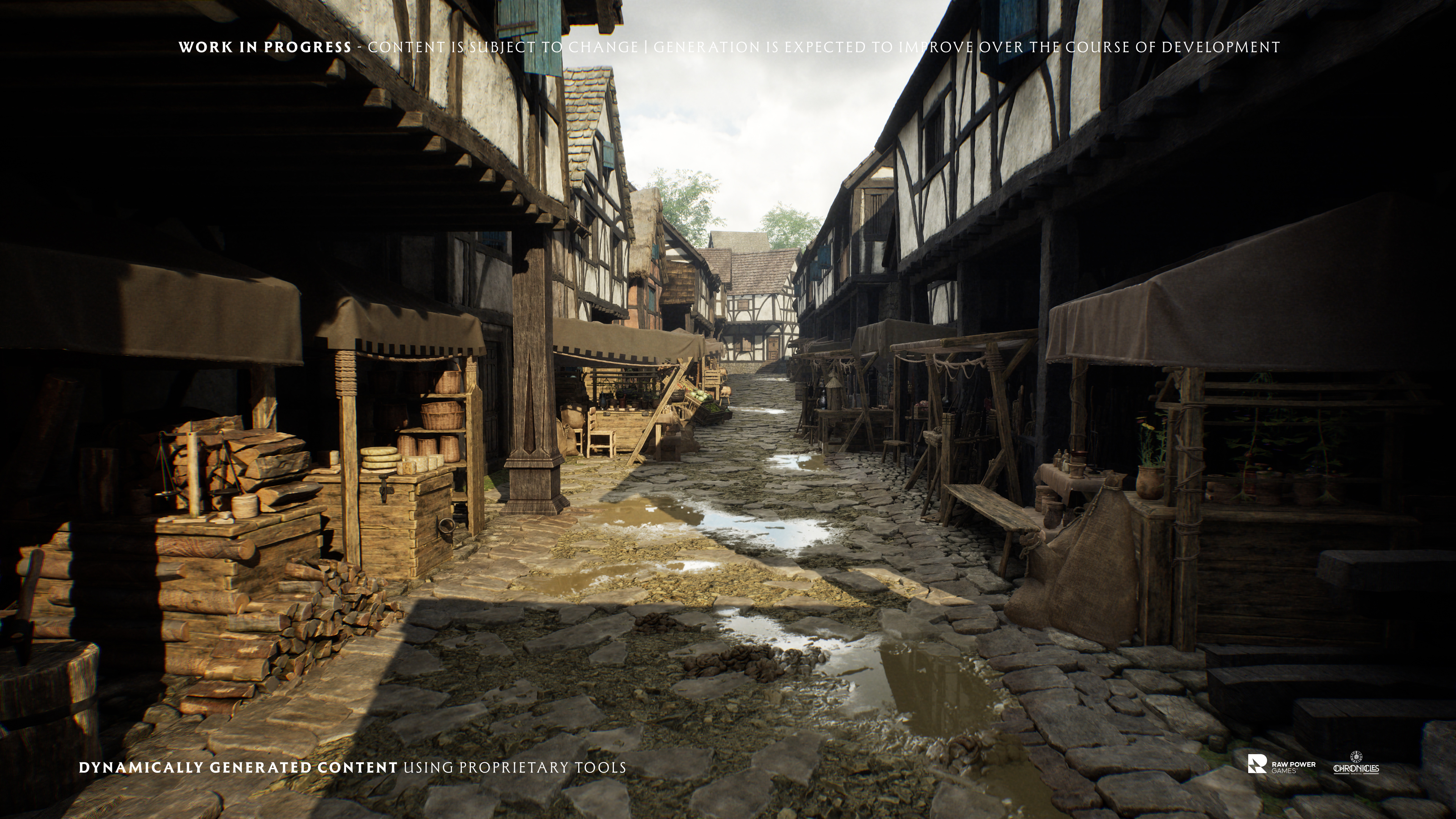
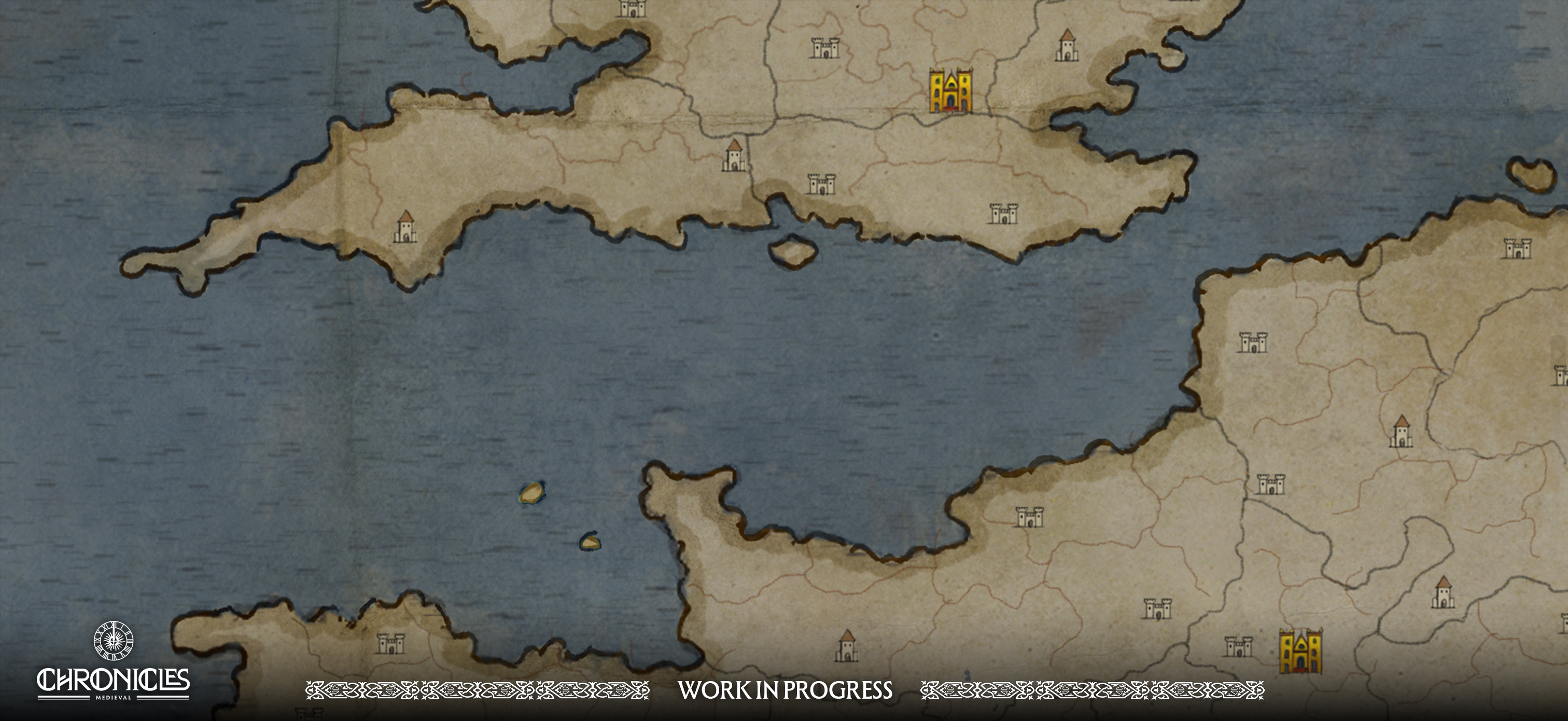 A WIP view into a small corner of our playable medieval Europe.
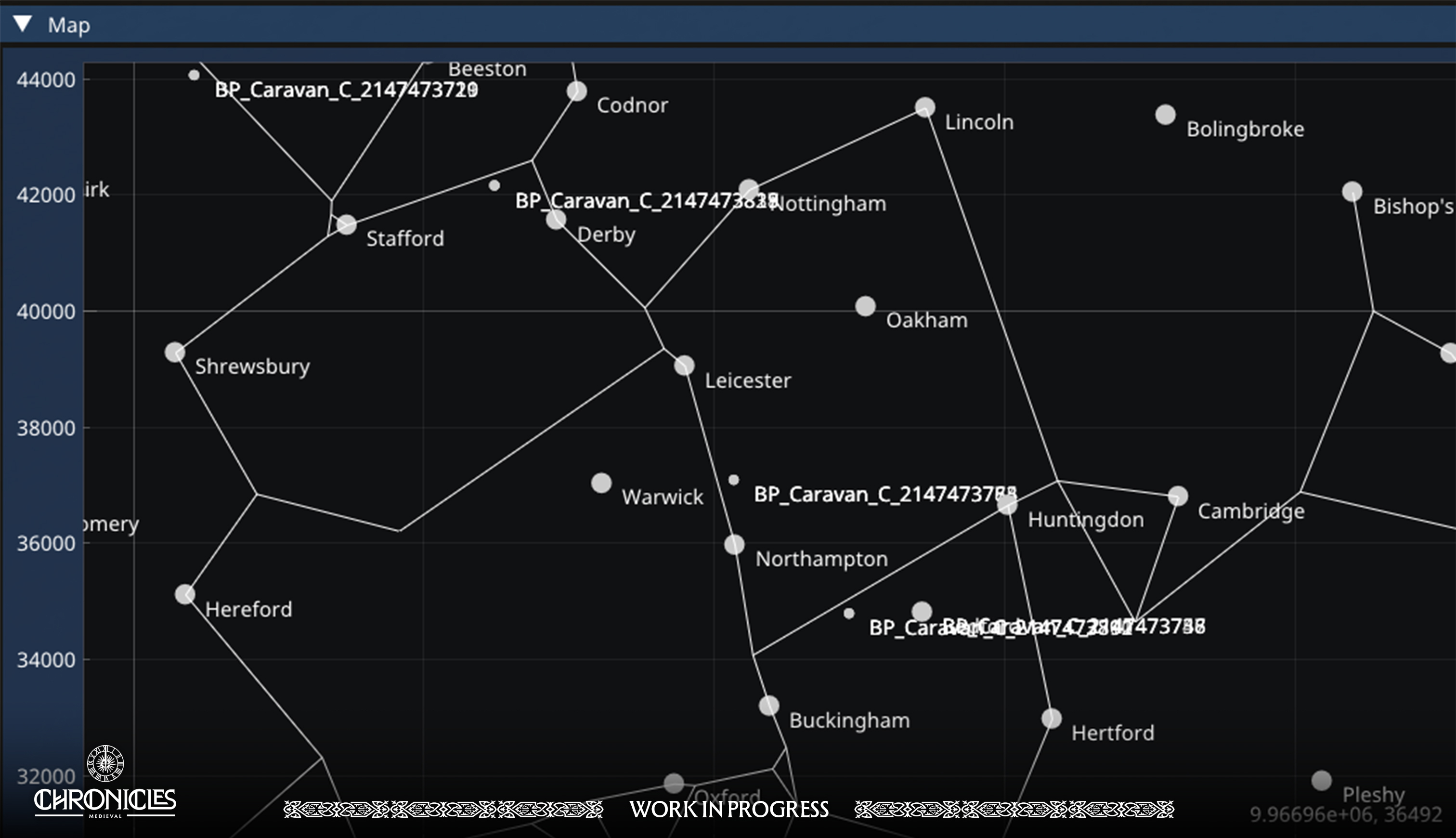 A WIP view of caravan network setup
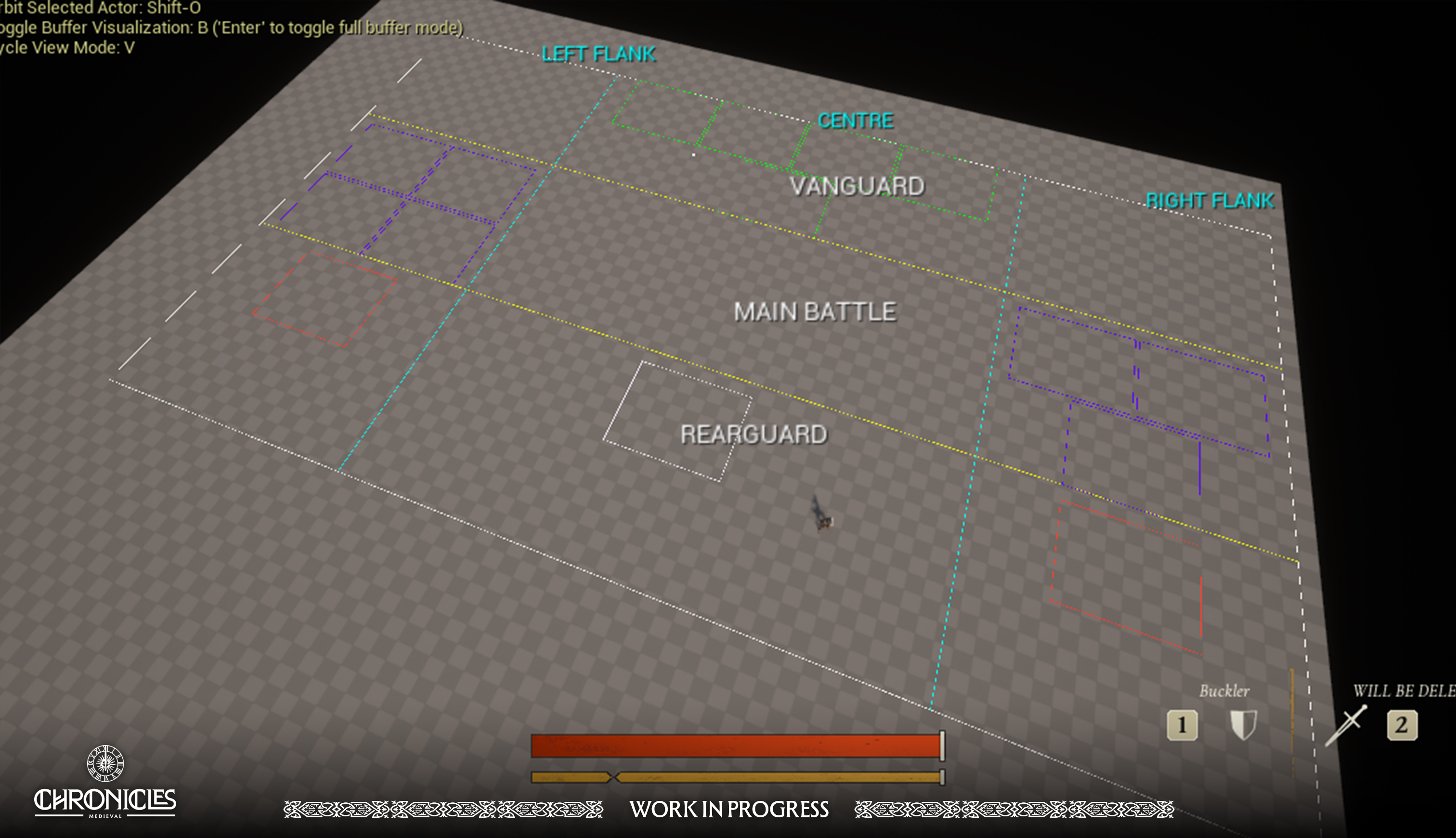 A peek at our pre-battle army deployment tool for configuring NPC armies
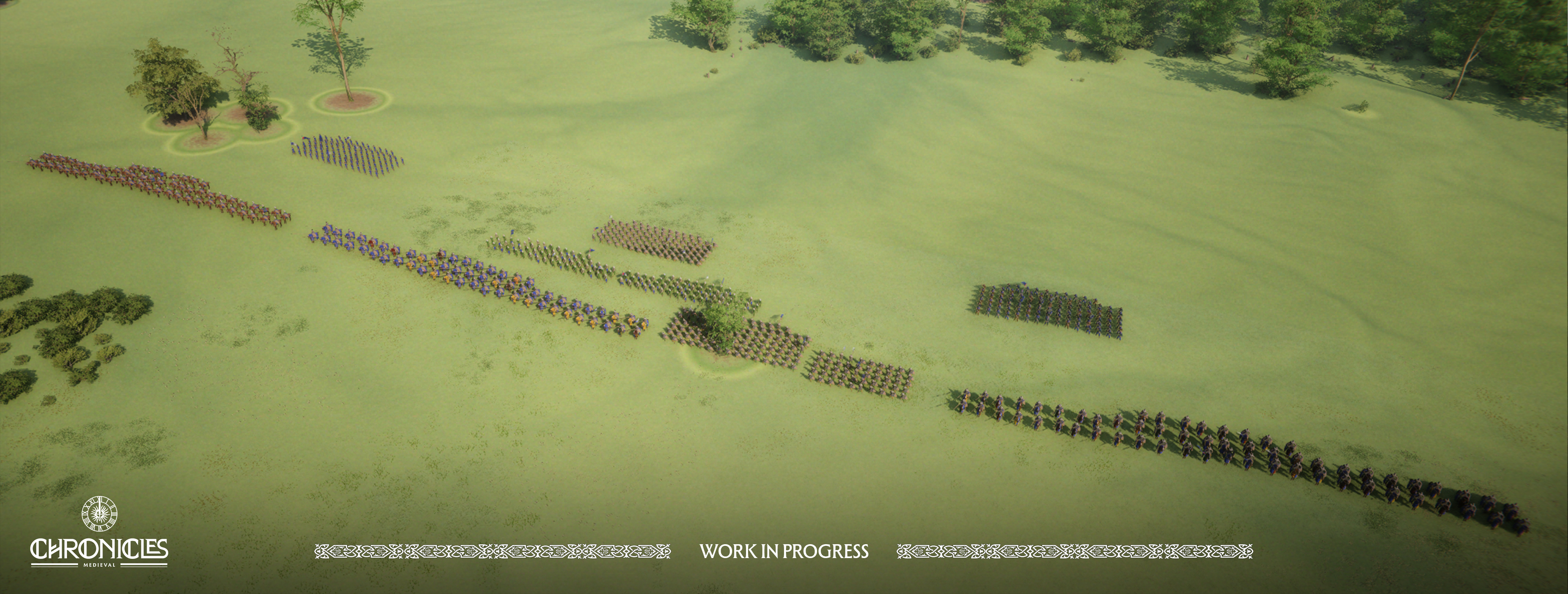 A WIP view of a French army starting formation during Battle Planning - reflecting the culture's cavalry dominance
 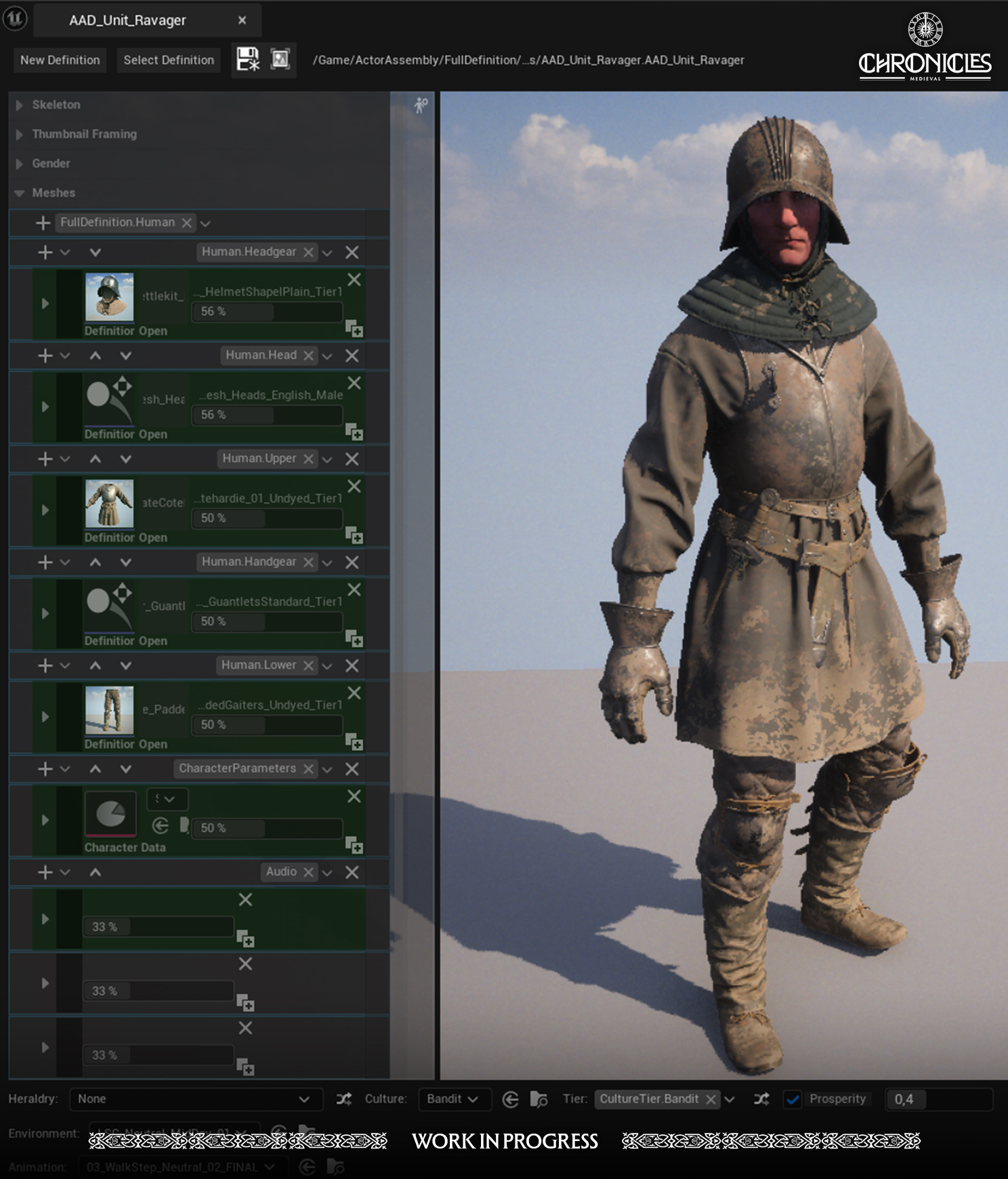 Our Actor Assembly tool, which allows for making unit/troop variations quickly
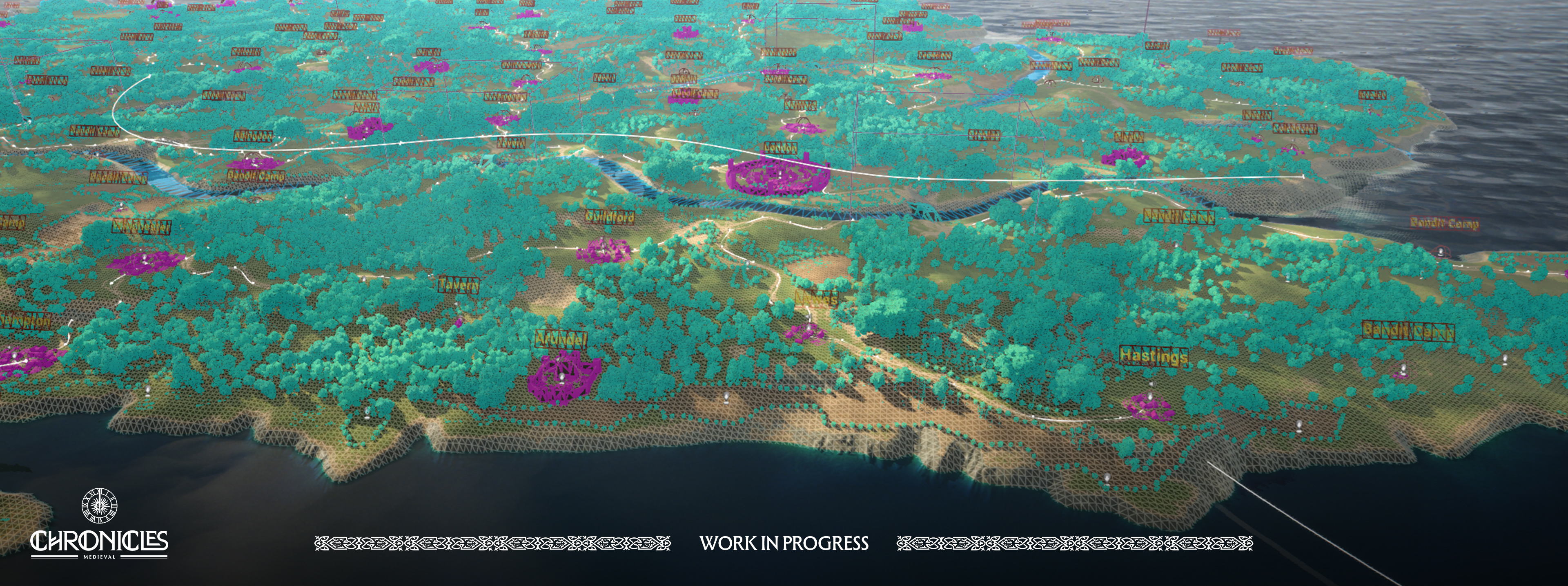 A sneak peek view of in development southern England in our world editor

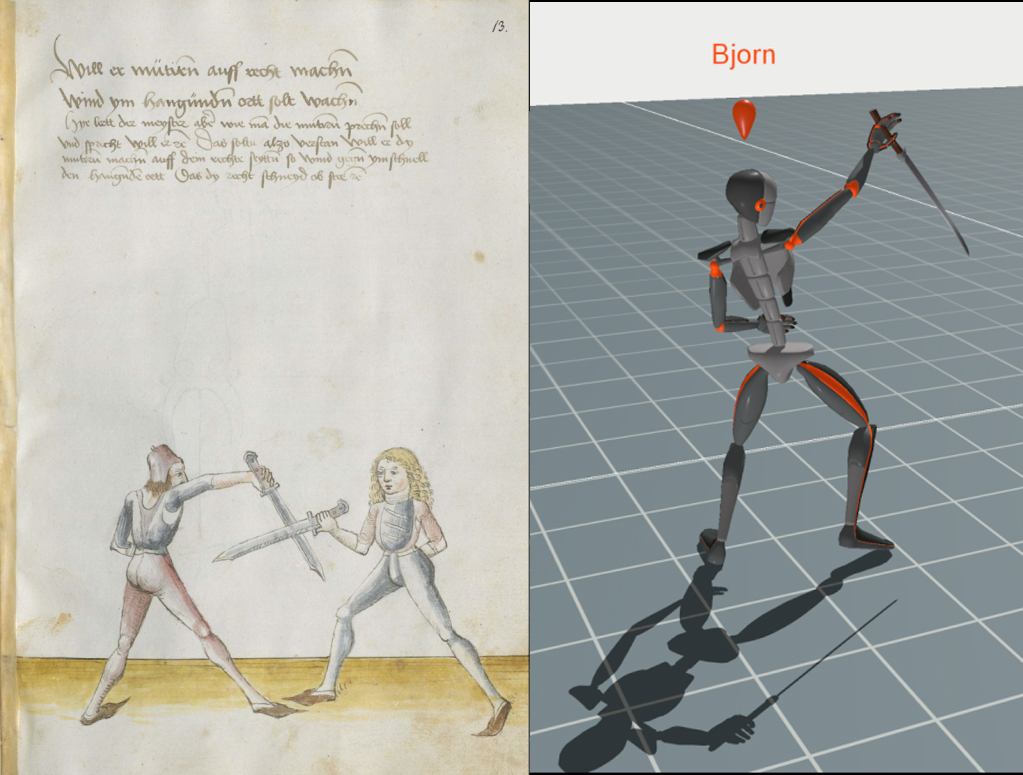
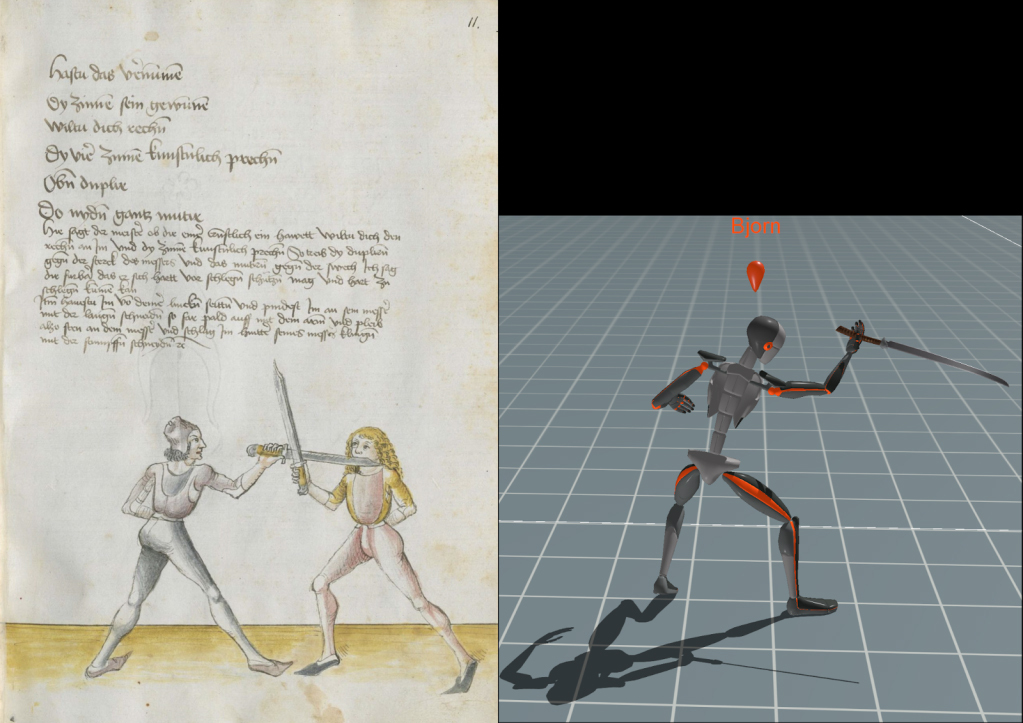 [/carousel]
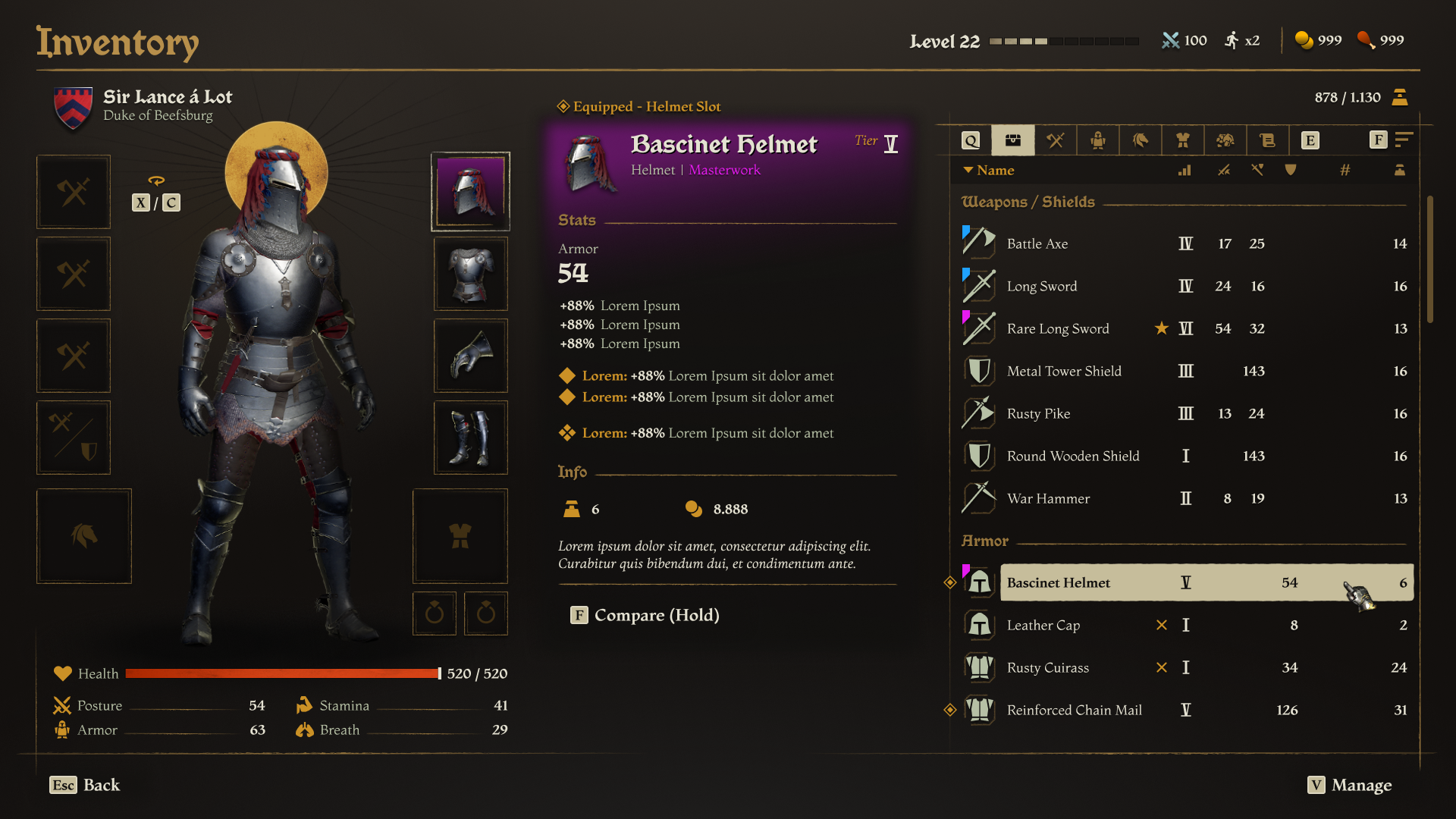 UI text shown is placeholder, and the helmet depicted is a great helm, not a bascinet.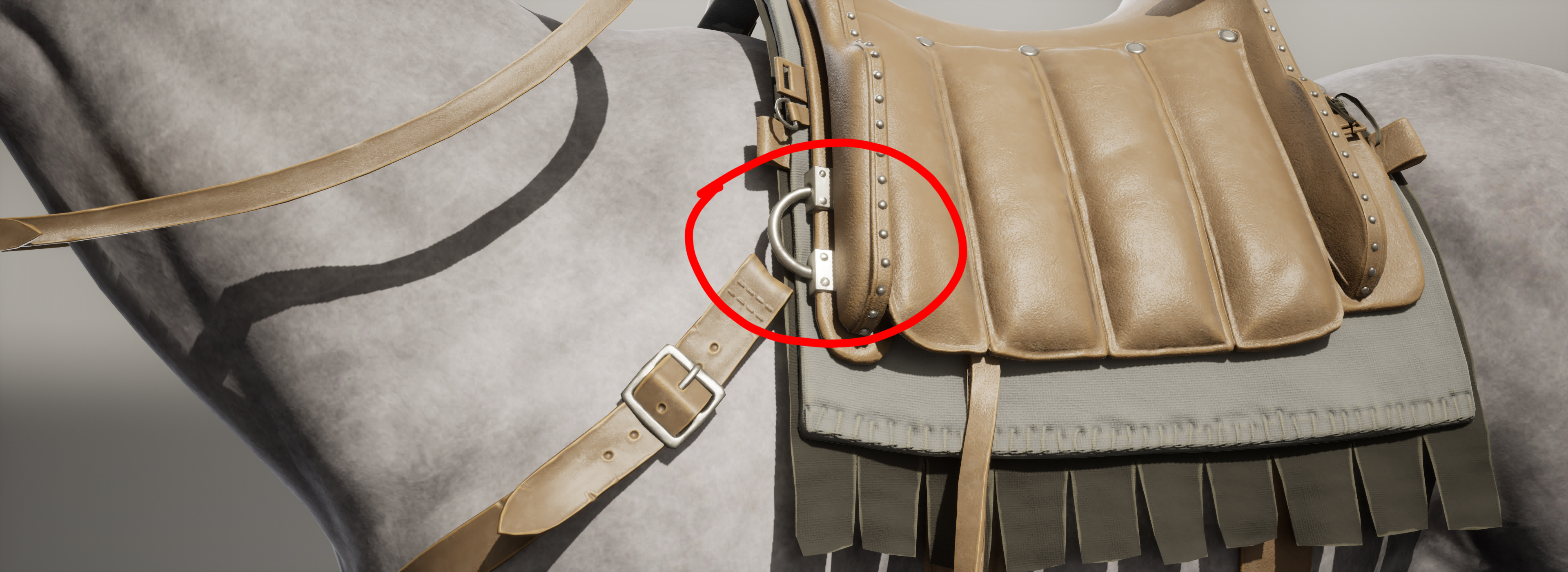
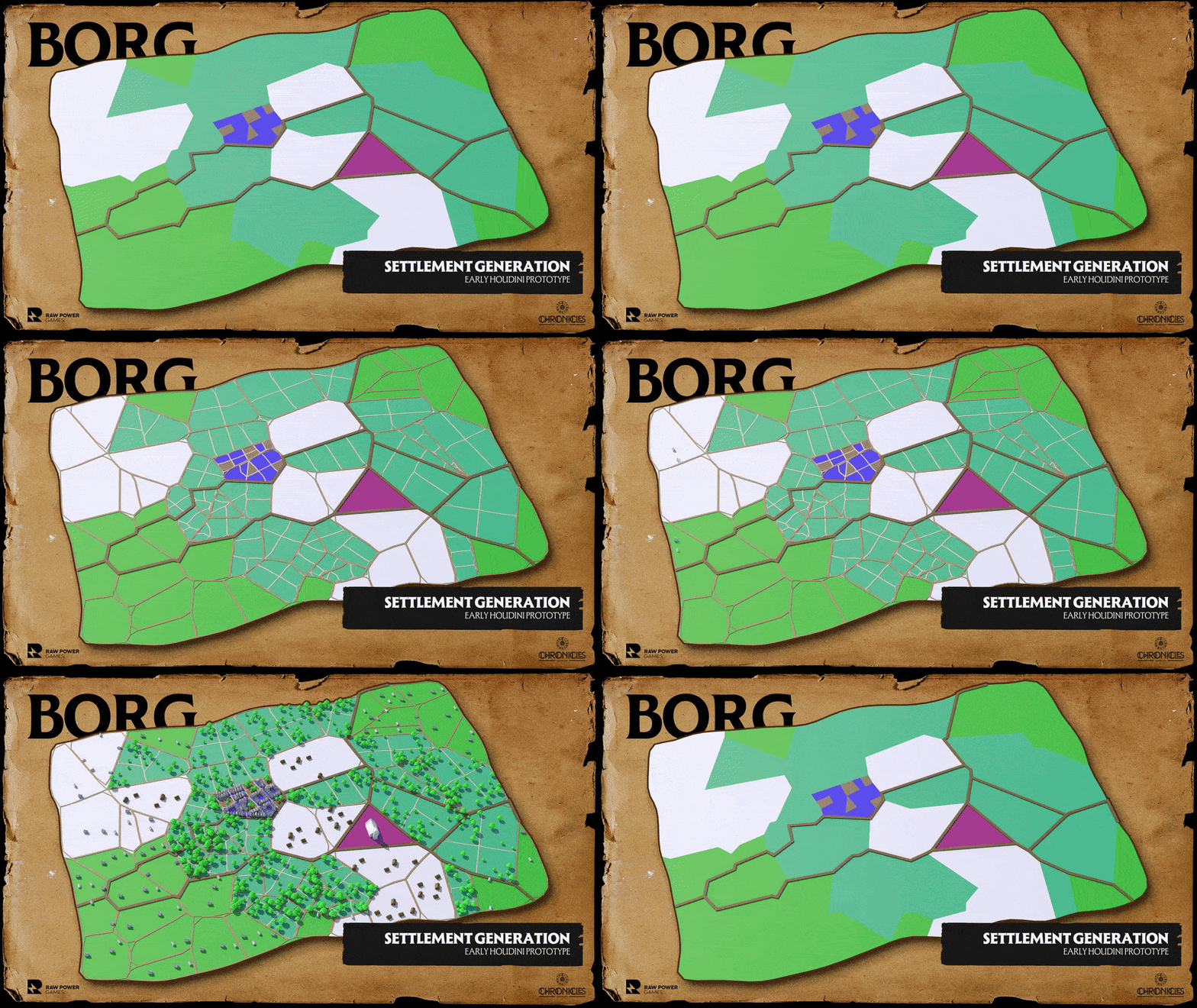
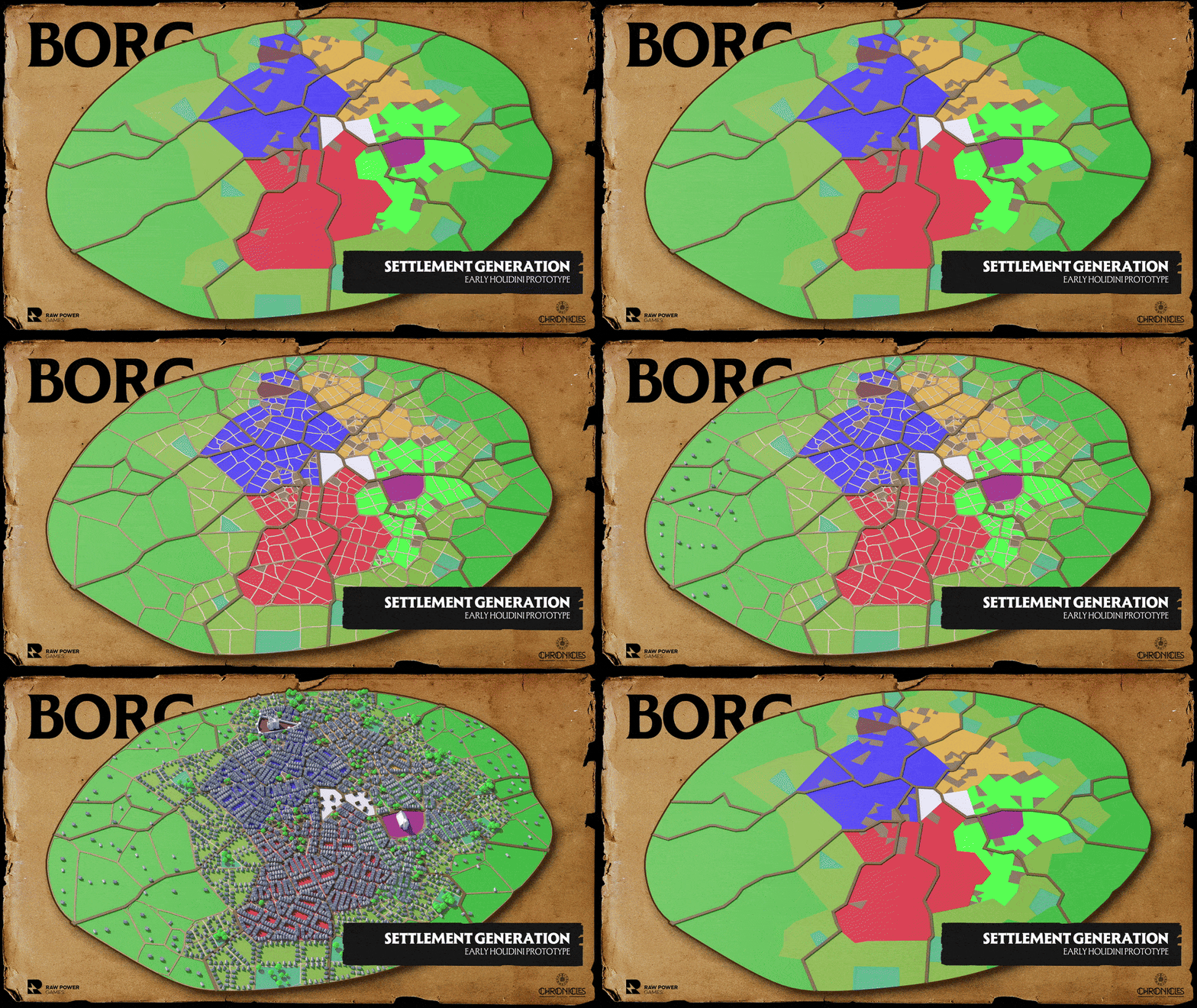
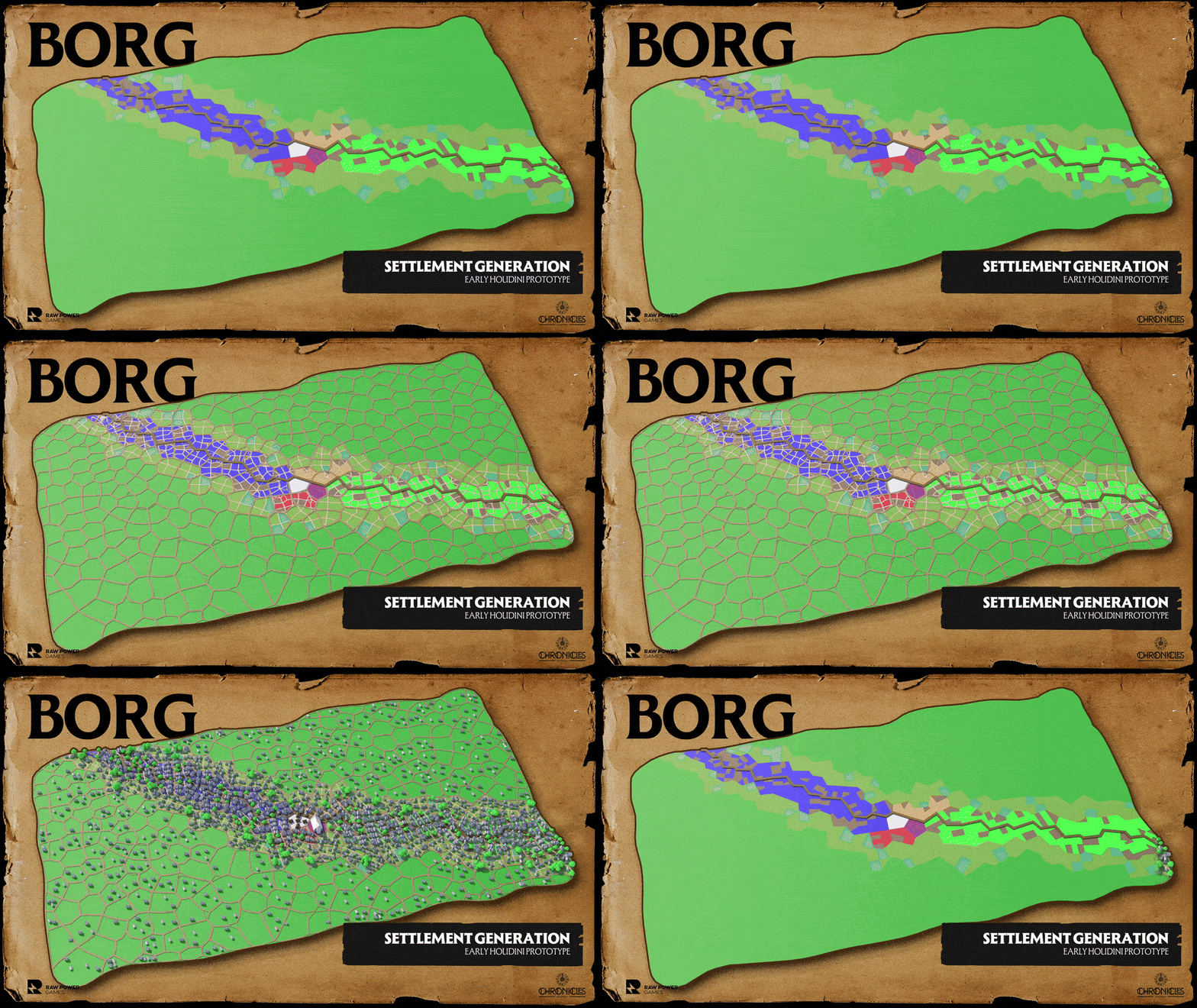
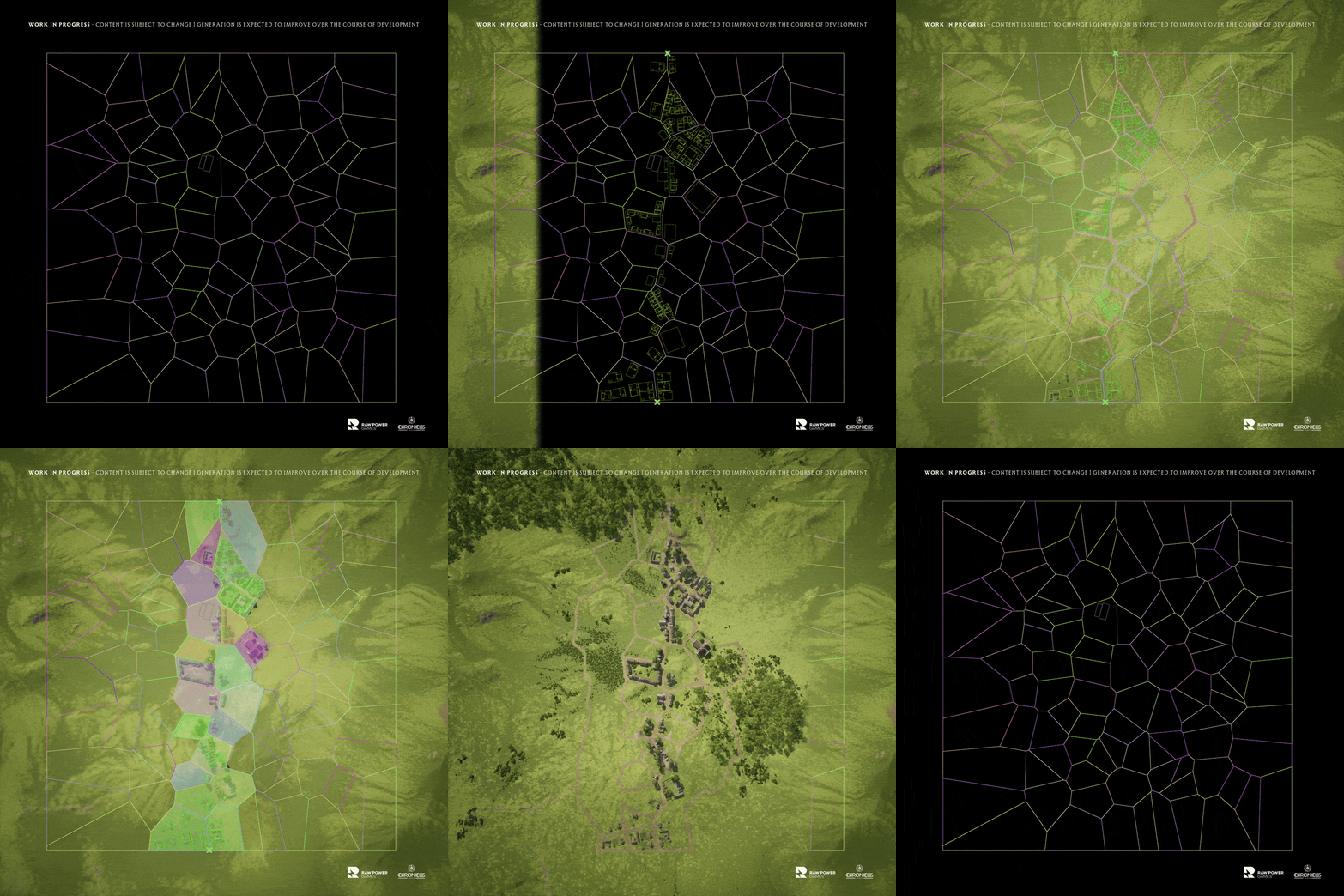
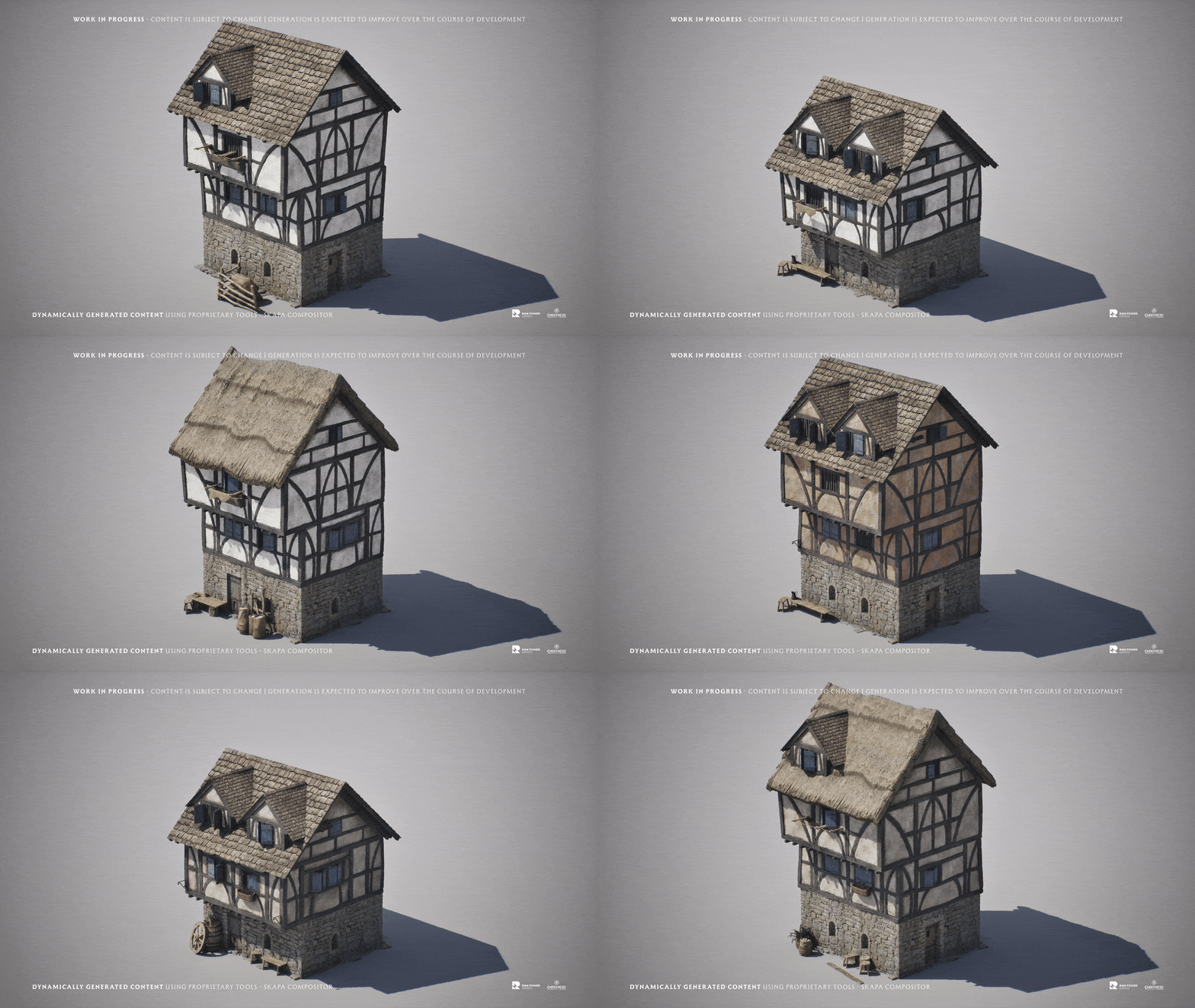
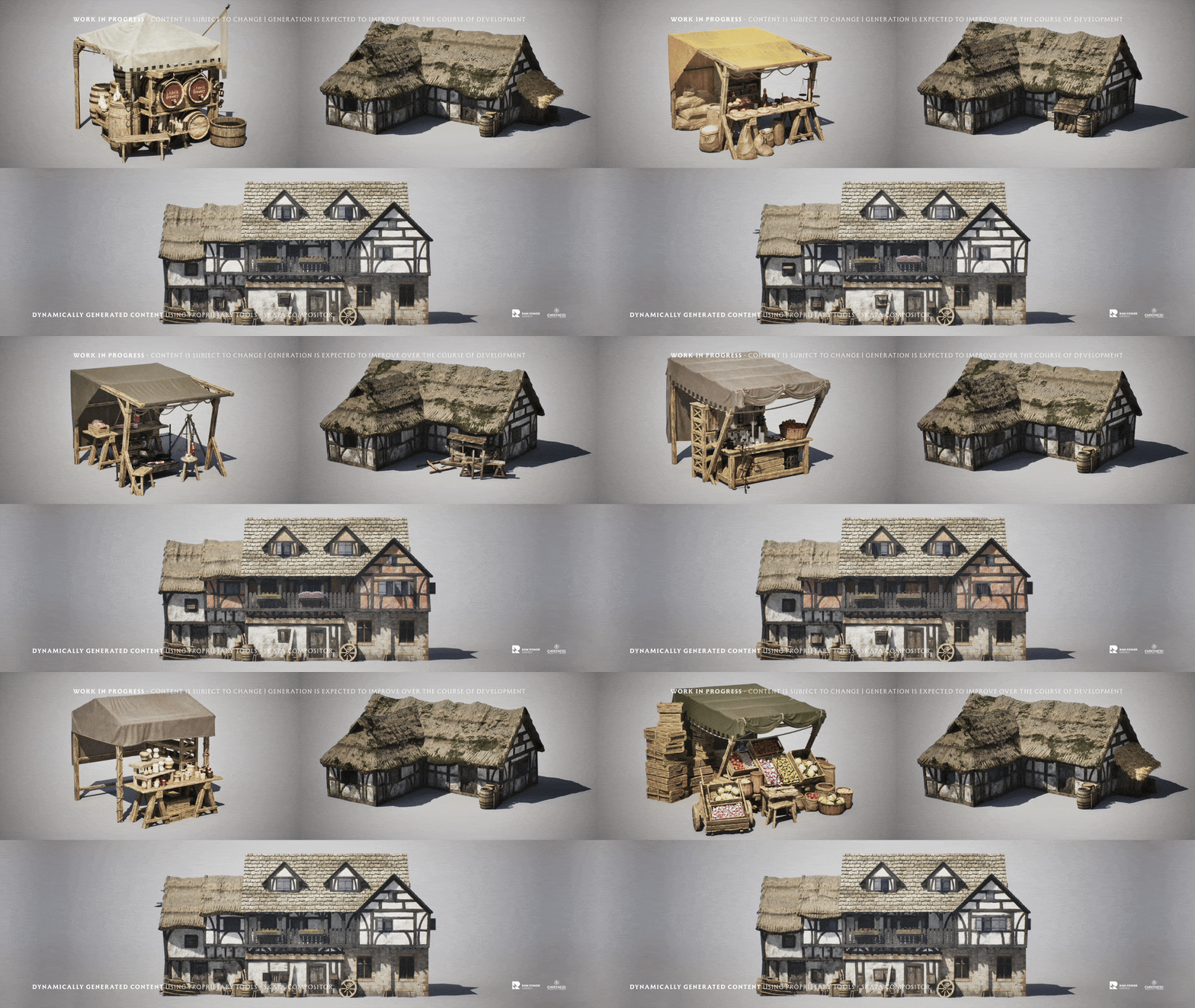
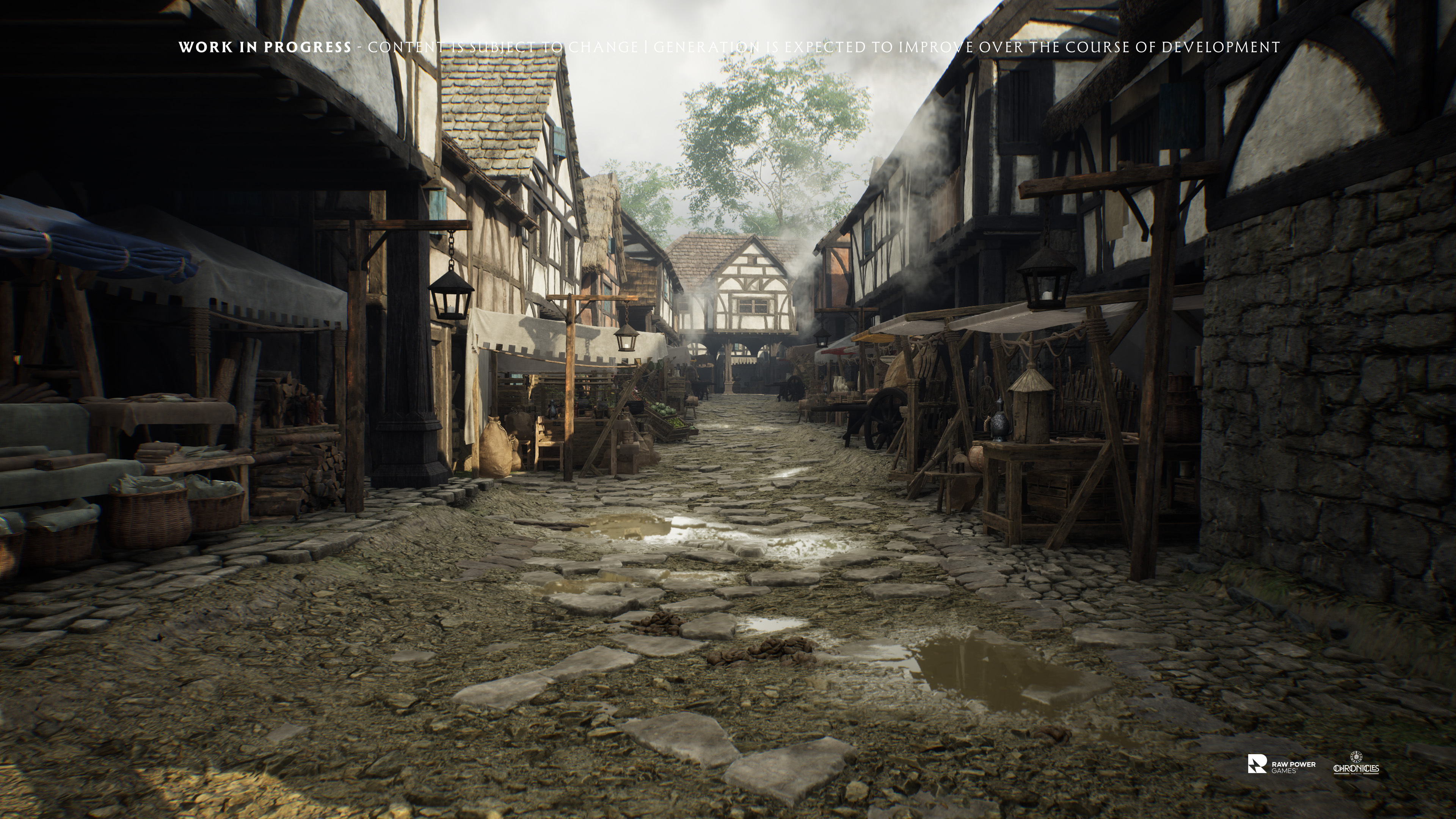
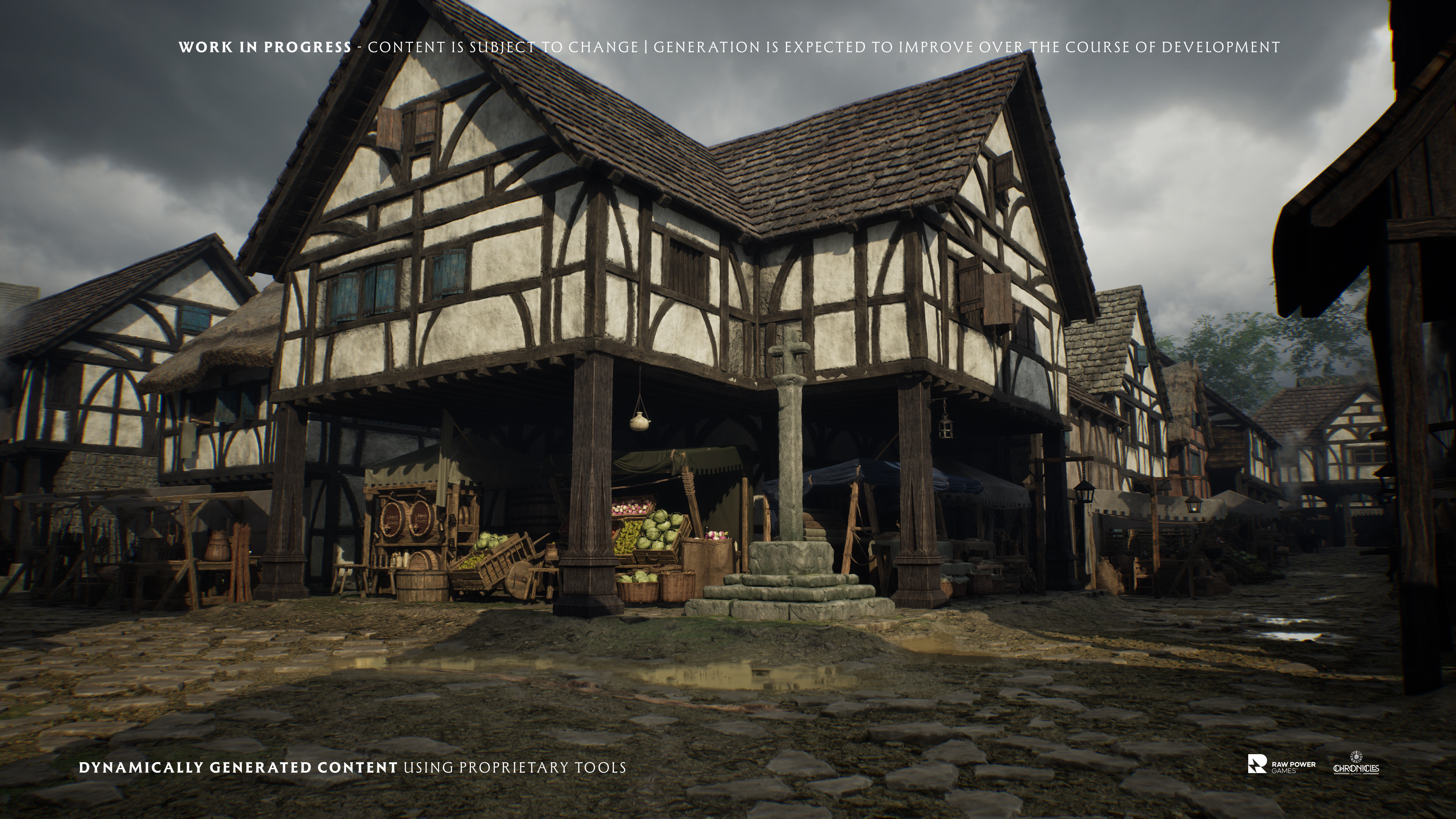
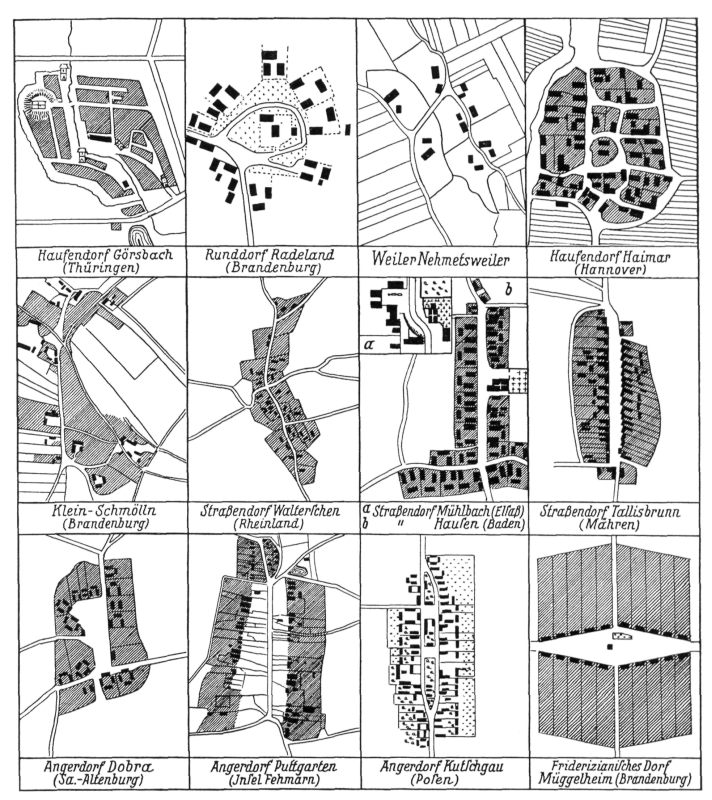 Source: Dorftypen nach Robert Mielke, Siedlungskunde des dt. Volkes, München 1927There’s plenty of historical data that we tried our best to base our generation on. And we wanted our tools to match this data as close as possible, while at the same time also being friendly from a game design point of view - i.e. most important places to visit, those that the player interacts with the most when playing the game (tavern, quartermaster, marketplace etc.), need to be fairly concentrated so that you don’t have to run around too much without any idea what’s where. But what’s really interesting is that this gameplay vision aligns with how medieval settlements were actually built. Historically, towns were built centralized around key institutions that formed the core of the communities day to day lives. That corresponds perfectly with our goals, and we’re able to create organic spaces without compromising core gameplay principles.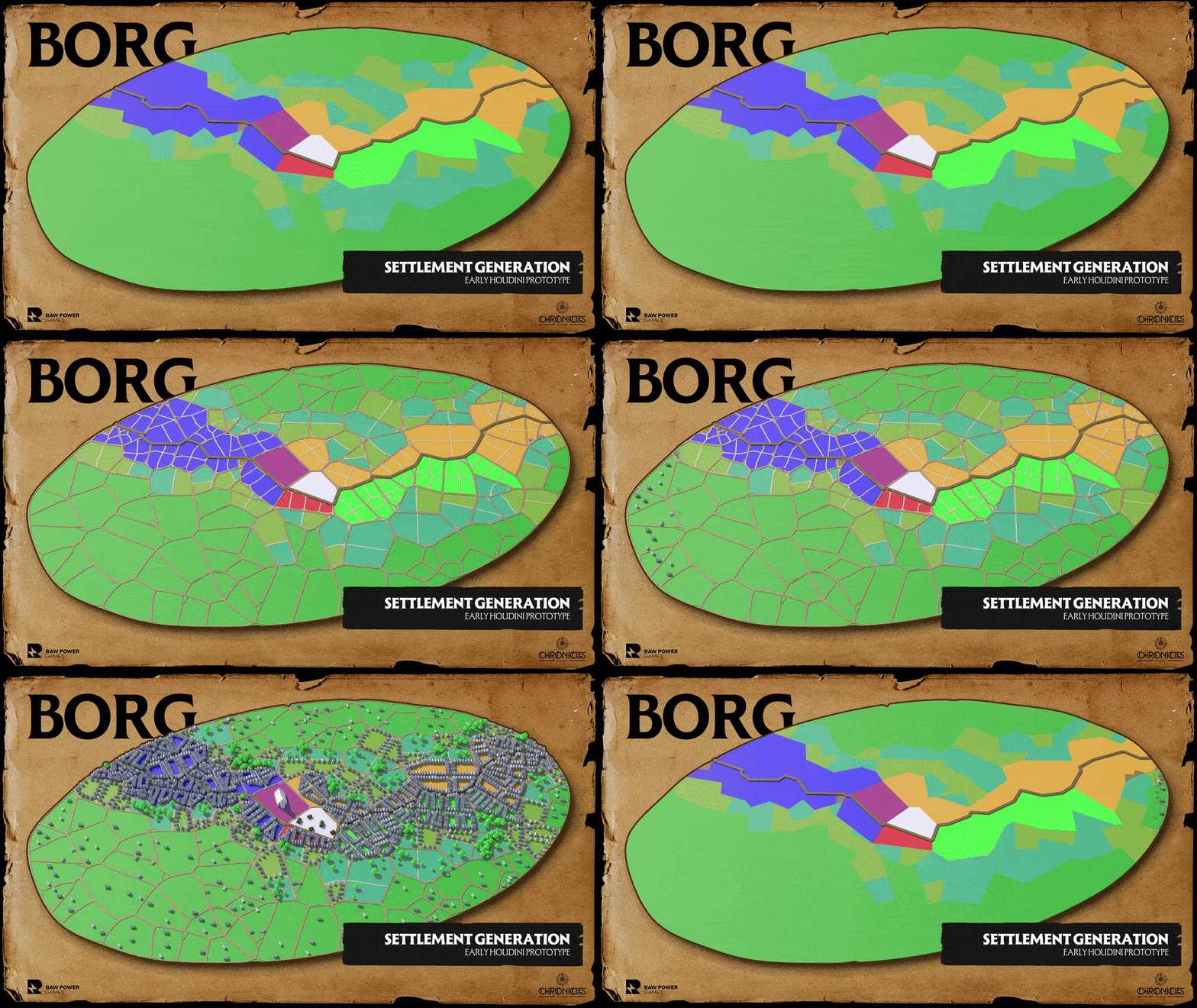
 [/carousel]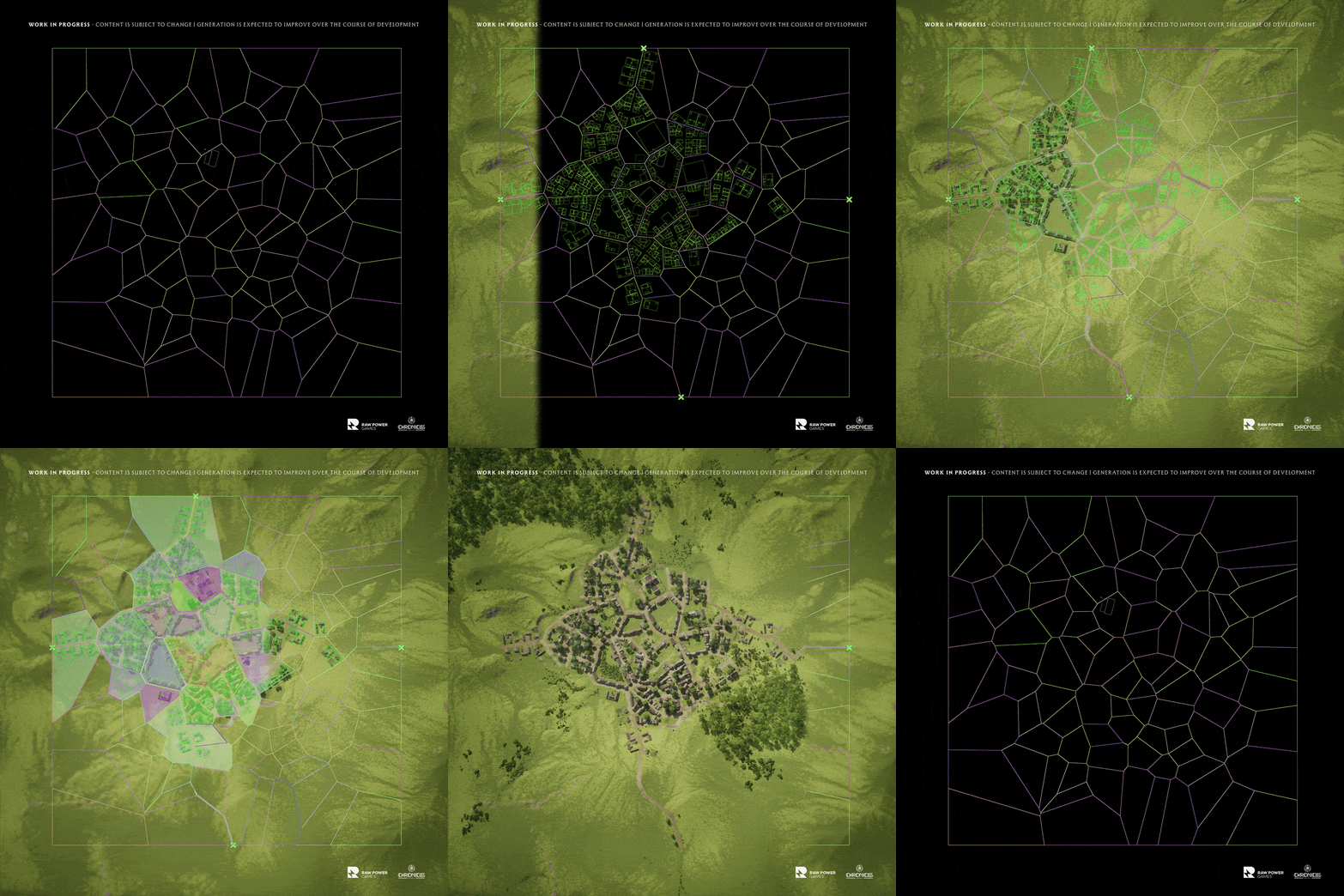
 [/carousel]
 [/carousel]


 Loading

