



Install Steam
sign in
|
language
简体中文 (Simplified Chinese)
繁體中文 (Traditional Chinese)
日本語 (Japanese)
한국어 (Korean)
ไทย (Thai)
Български (Bulgarian)
Čeština (Czech)
Dansk (Danish)
Deutsch (German)
Español - España (Spanish - Spain)
Español - Latinoamérica (Spanish - Latin America)
Ελληνικά (Greek)
Français (French)
Italiano (Italian)
Bahasa Indonesia (Indonesian)
Magyar (Hungarian)
Nederlands (Dutch)
Norsk (Norwegian)
Polski (Polish)
Português (Portuguese - Portugal)
Português - Brasil (Portuguese - Brazil)
Română (Romanian)
Русский (Russian)
Suomi (Finnish)
Svenska (Swedish)
Türkçe (Turkish)
Tiếng Việt (Vietnamese)
Українська (Ukrainian)
Report a translation problem

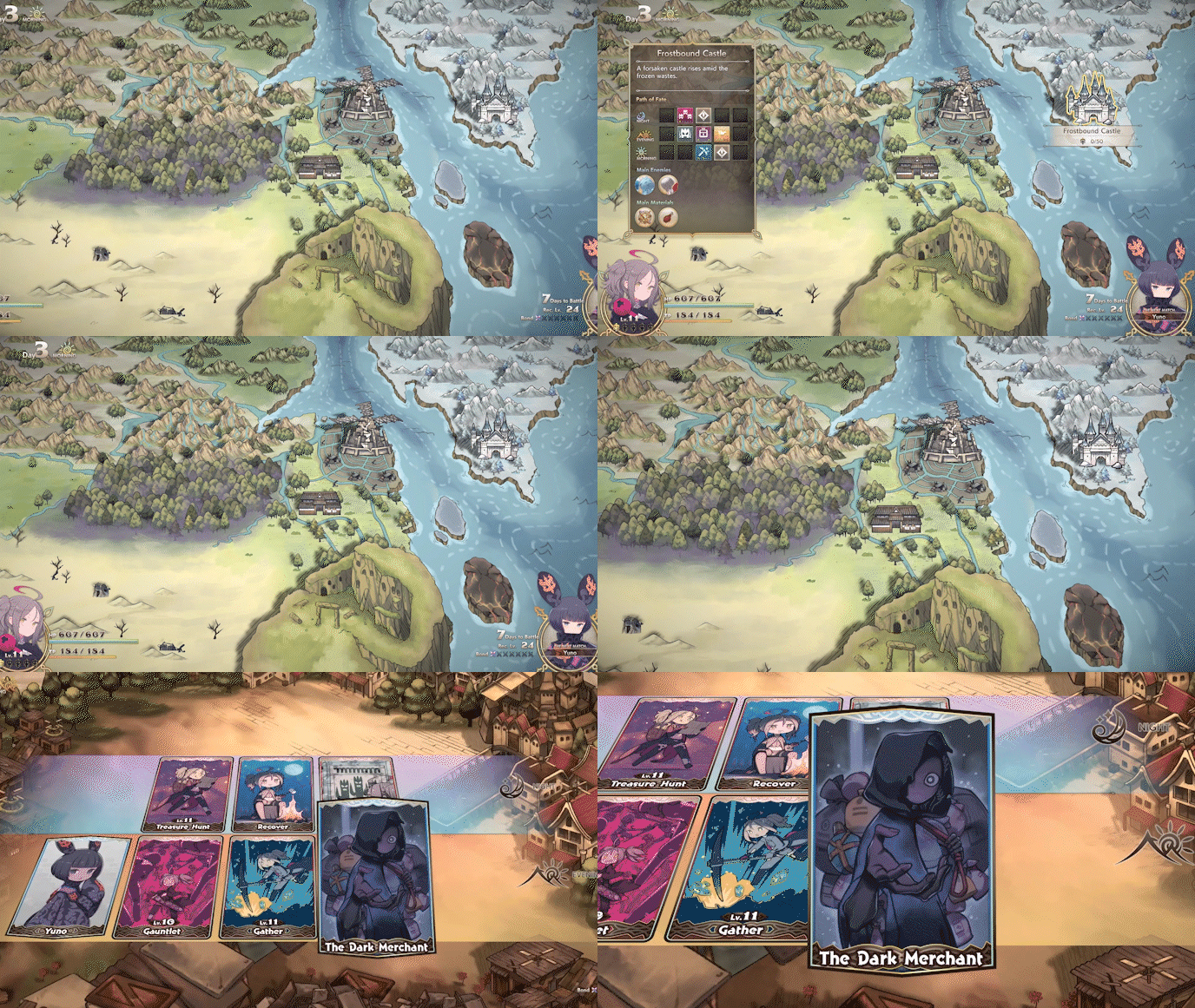 Let’s take a closer look.
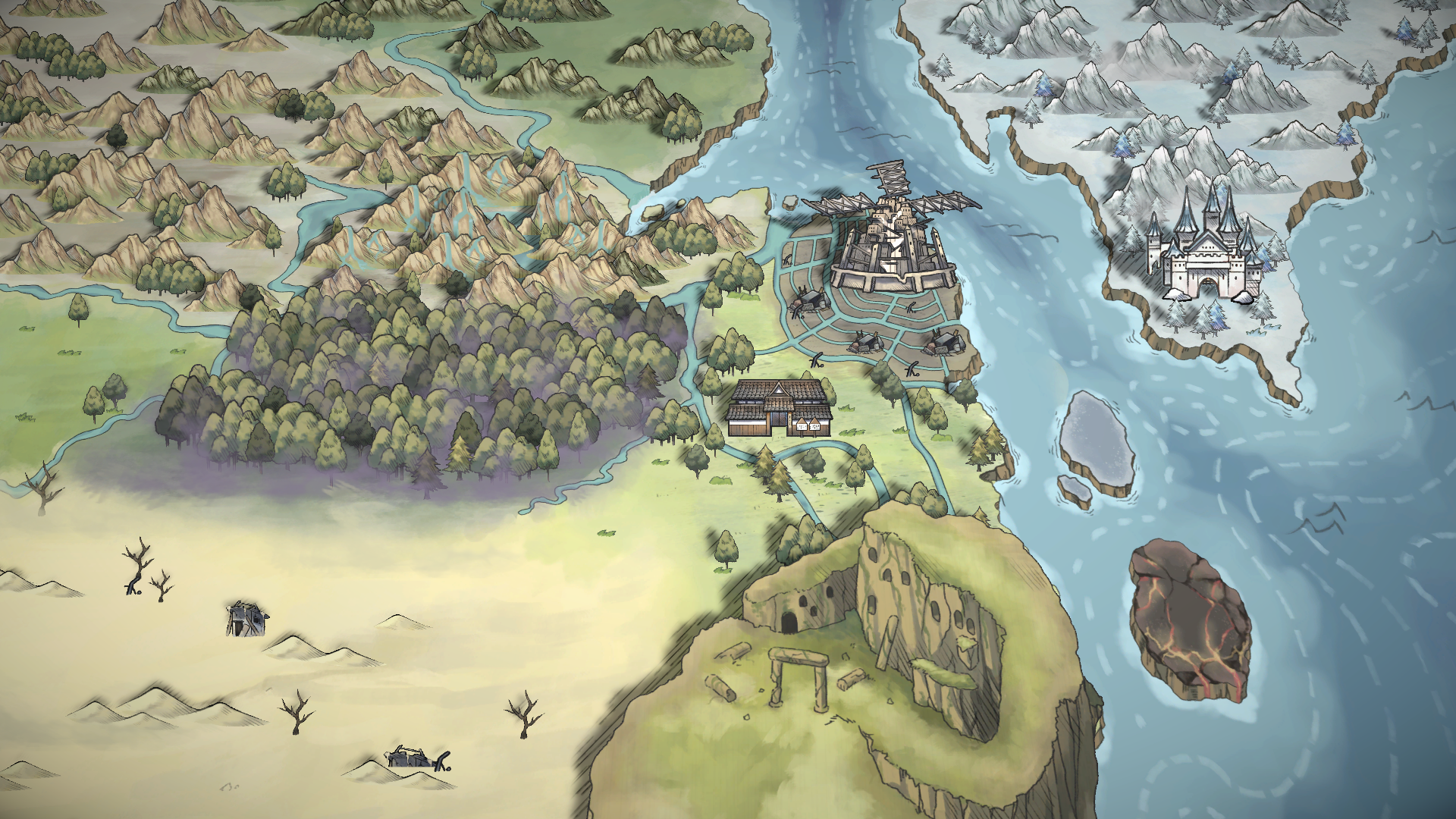 Players begin by selecting a destination from the world map. The screen shown here represents an early-game state, where only a limited number of locations are available. As the story progresses, more areas gradually open up.
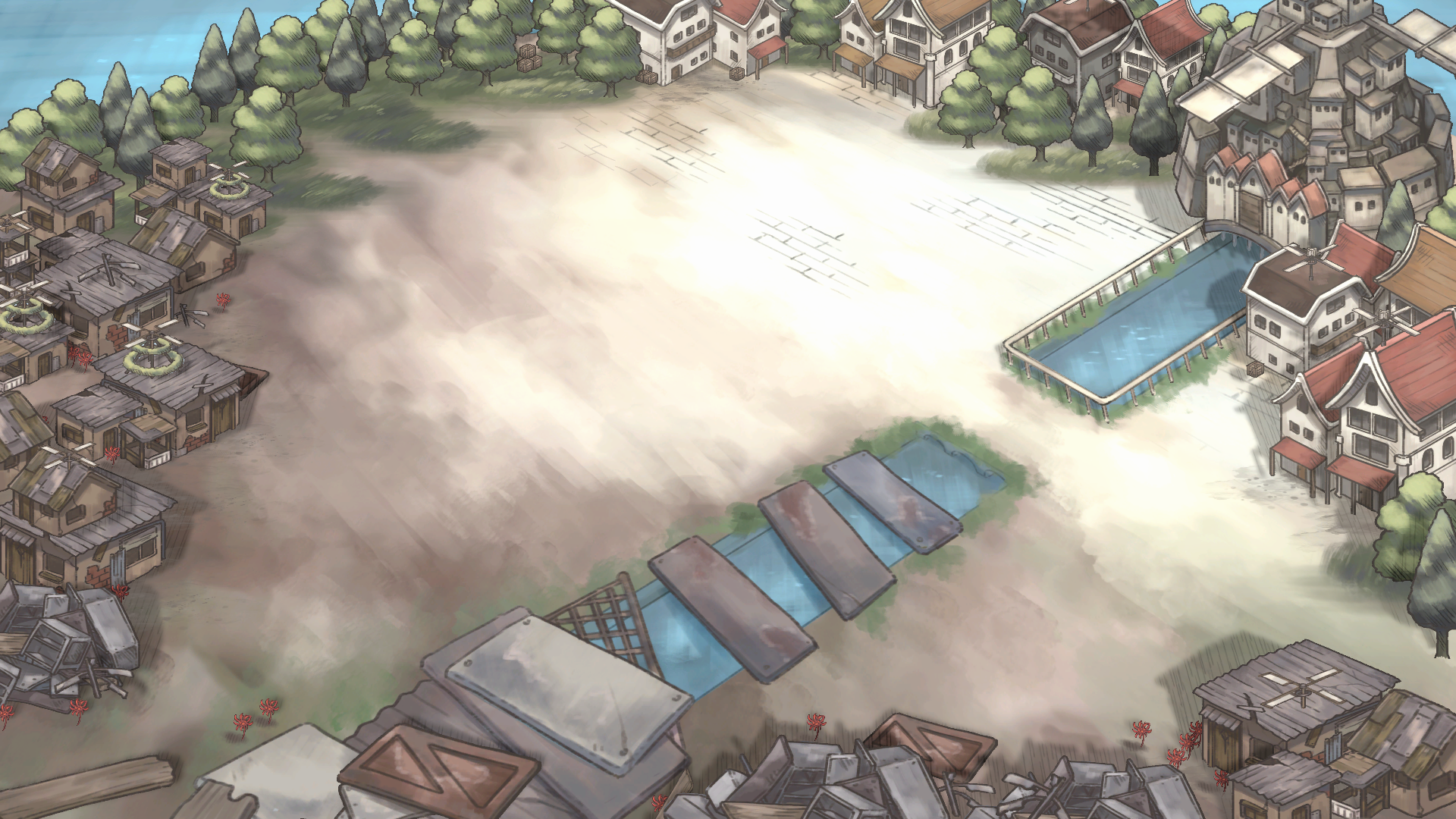 After choosing a destination, you move to a detailed area map. The example shown here begins with a map that has not yet been altered by events.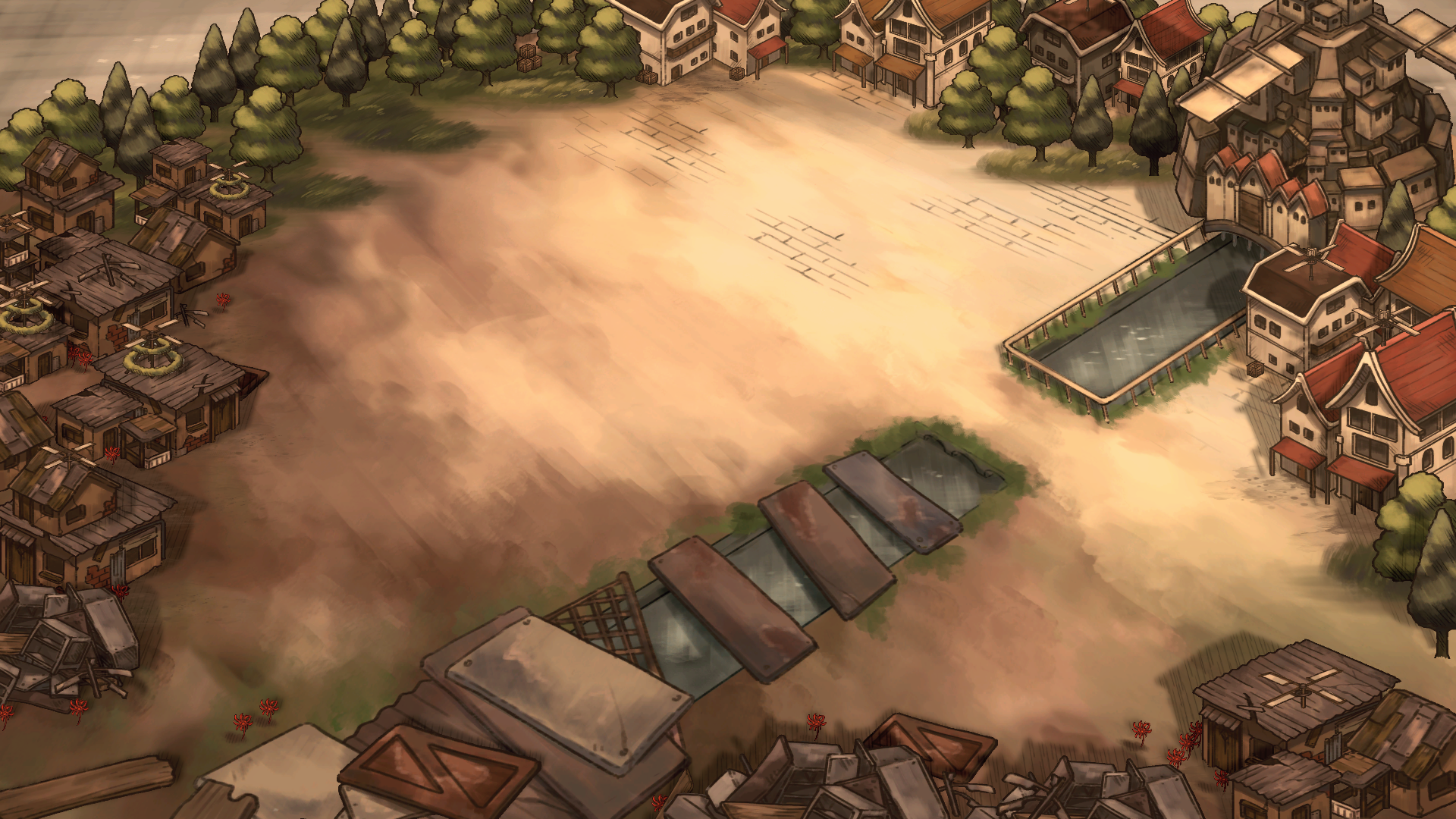
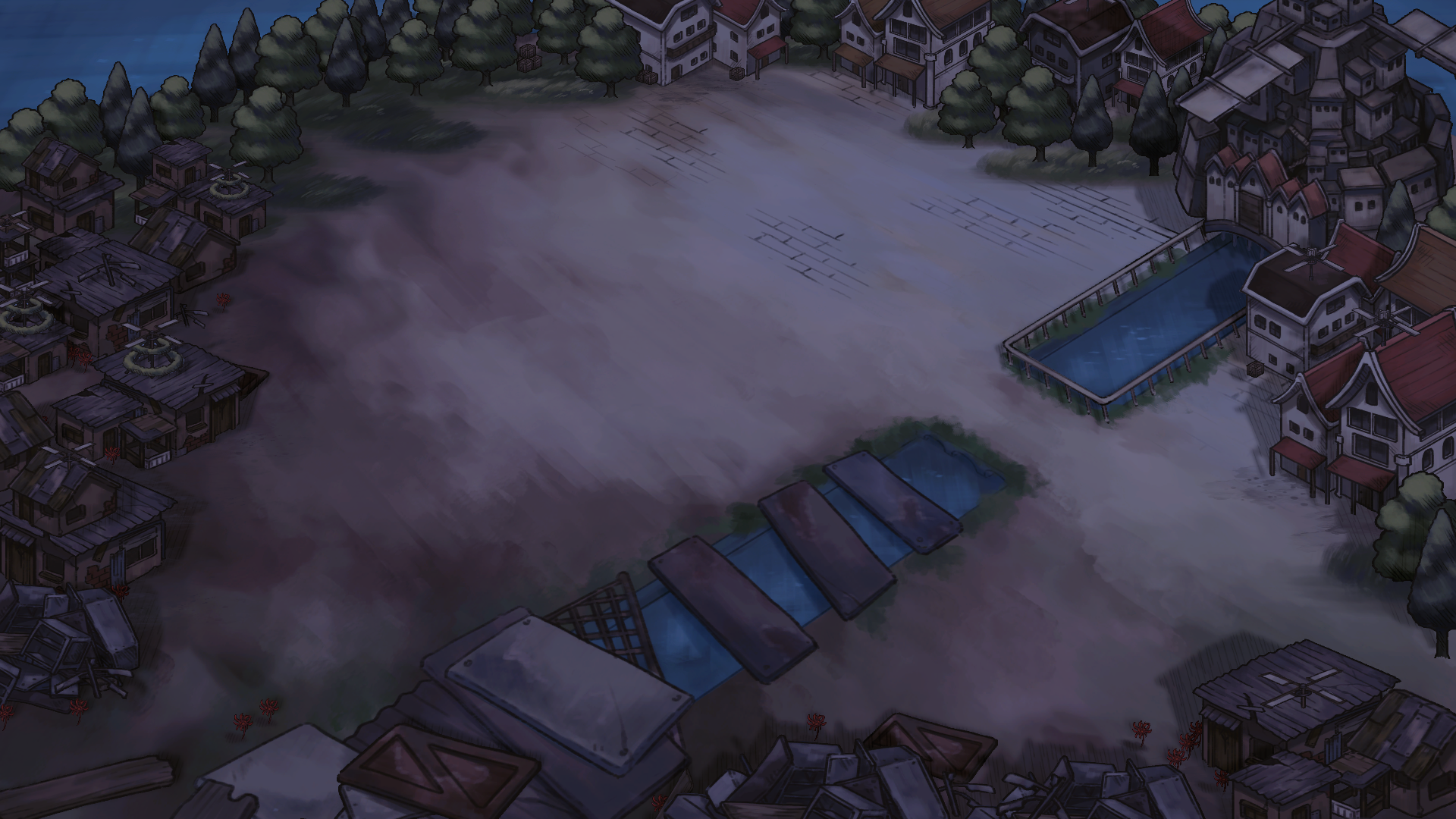 Depending on when you visit and how you act, the time of day shifts throughout the course of a single day.
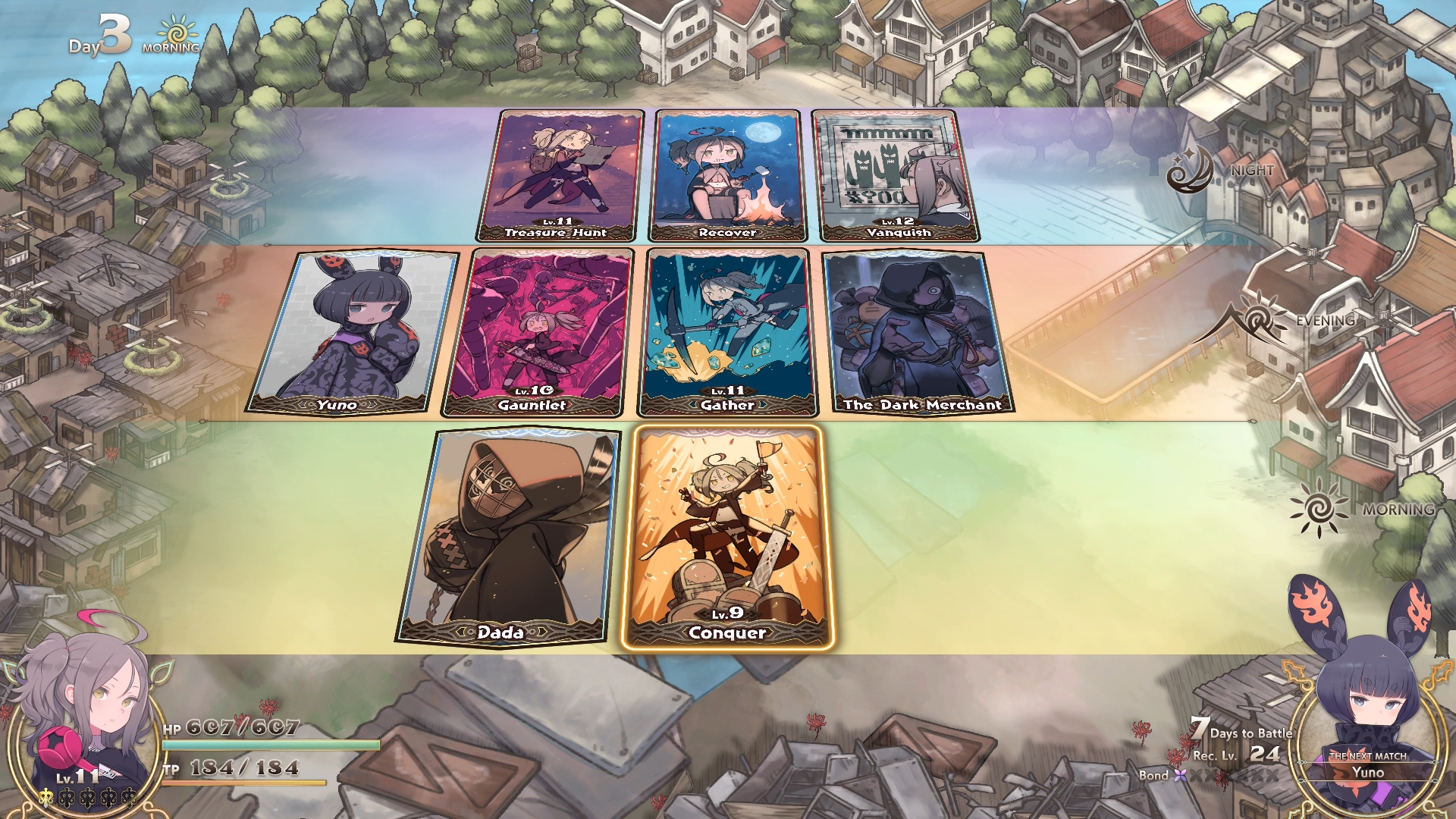 Within this detailed map, players choose their actions for that specific time period.
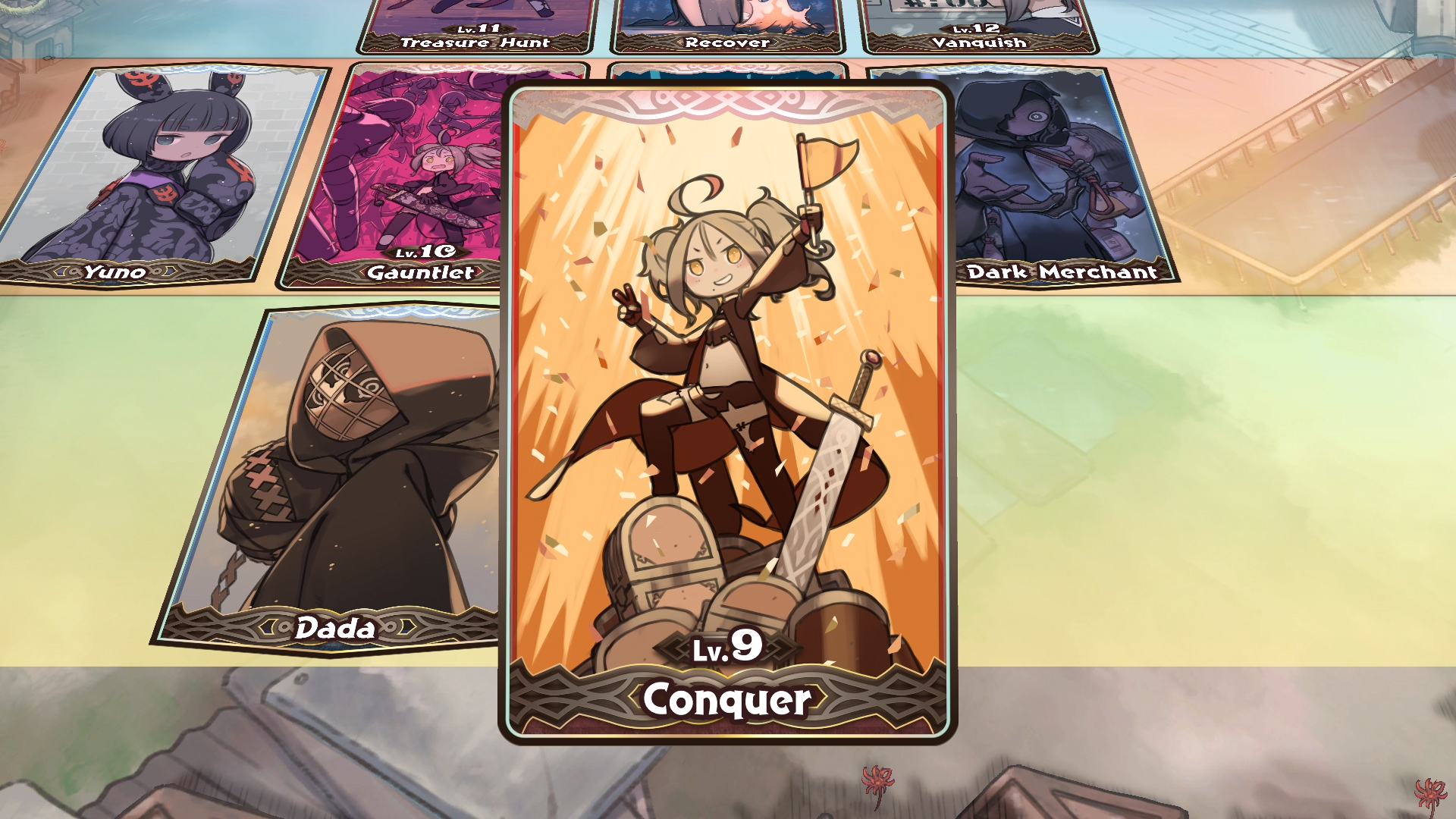 In this example, the player selects Conquer, exploring an area and reaching its final point. This is how each day unfolds as you move forward through a fate that seems set. But in TSURUGIHIME, where even fate itself can be crafted, that is not the end.


 https://finalweapon.net/2026/03/13/interview-tsurugihime-director-yosuke-shiokawa-development-fgo-kingdom-hearts/
 https://www.facebook.com/Fahrenheit213

 This term, I do not think it means what you think it means.
 . What is the status of your game here?
 Loading

