


Install Steam
sign in
|
language
简体中文 (Simplified Chinese)
繁體中文 (Traditional Chinese)
日本語 (Japanese)
한국어 (Korean)
ไทย (Thai)
Bahasa Indonesia (Indonesian)
Bahasa Melayu (Malay) BETA
Български (Bulgarian)
Čeština (Czech)
Dansk (Danish)
Deutsch (German)
Español - España (Spanish - Spain)
Español - Latinoamérica (Spanish - Latin America)
Ελληνικά (Greek)
Français (French)
Italiano (Italian)
Magyar (Hungarian)
Nederlands (Dutch)
Norsk (Norwegian)
Polski (Polish)
Português (Portuguese - Portugal)
Português - Brasil (Portuguese - Brazil)
Română (Romanian)
Русский (Russian)
Suomi (Finnish)
Svenska (Swedish)
Türkçe (Turkish)
Tiếng Việt (Vietnamese)
Українська (Ukrainian)
Report a translation problem








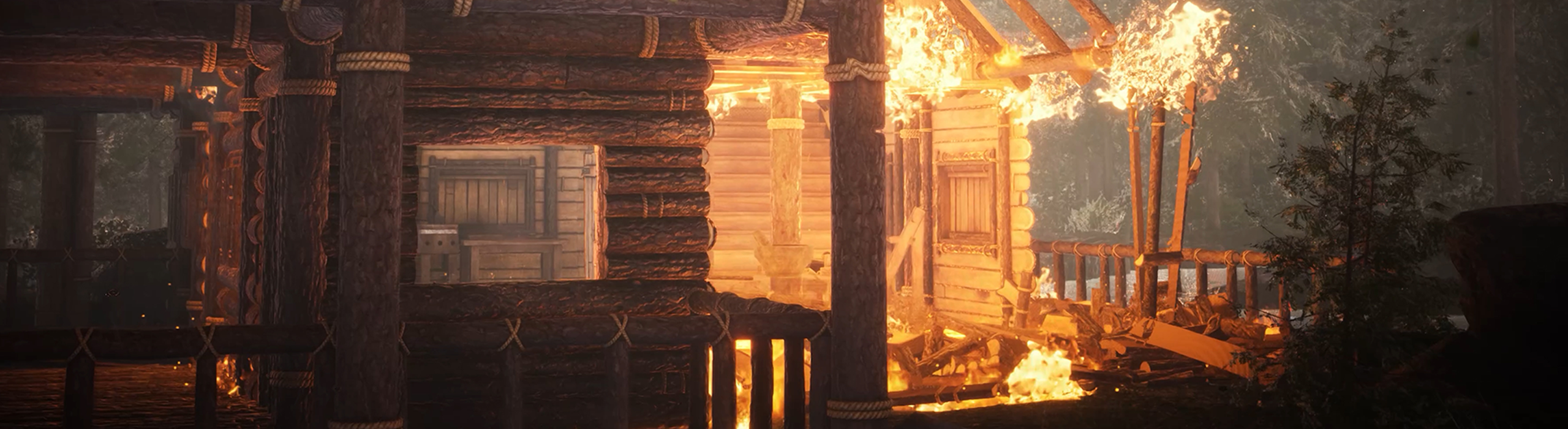 To support this while keeping the networking overhead manageable, we don’t replicate every individual flammable object and fire instance between the server and clients. Instead, the fire simulation runs independently on both the server and client, with the server sending state updates to keep the client simulation in sync. This allows us to maintain a detailed fire simulation without requiring hundreds or potentially thousands of individual fire states to be replicated over the network.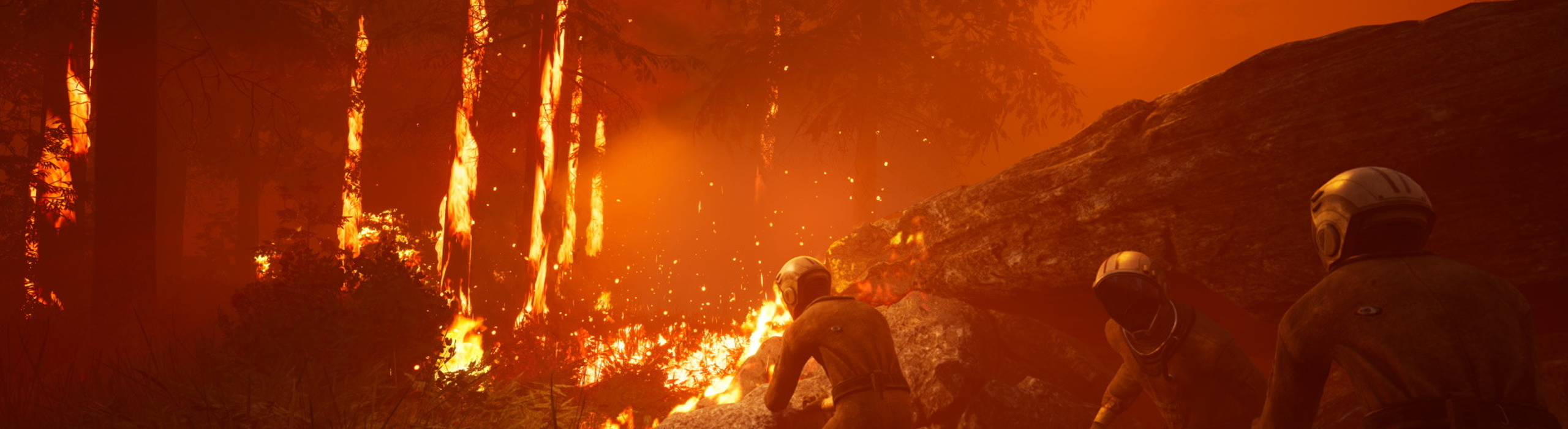






 Award
Award 2
2
 [ 2024 - 2025 ] Master Icarus in Half the Time — Complete Progression Guide from Level 1 to 60
 Быстрый фарм экзотики
 How To Icarus 101


 Breeding guide


 Fastest and easiest xp Farming







 Loading

