



Install Steam
login
|
language
简体中文 (Simplified Chinese)
繁體中文 (Traditional Chinese)
日本語 (Japanese)
한국어 (Korean)
ไทย (Thai)
Български (Bulgarian)
Čeština (Czech)
Dansk (Danish)
Deutsch (German)
Español - España (Spanish - Spain)
Español - Latinoamérica (Spanish - Latin America)
Ελληνικά (Greek)
Français (French)
Italiano (Italian)
Bahasa Indonesia (Indonesian)
Magyar (Hungarian)
Nederlands (Dutch)
Norsk (Norwegian)
Polski (Polish)
Português (Portuguese - Portugal)
Português - Brasil (Portuguese - Brazil)
Română (Romanian)
Русский (Russian)
Suomi (Finnish)
Svenska (Swedish)
Türkçe (Turkish)
Tiếng Việt (Vietnamese)
Українська (Ukrainian)
Report a translation problem

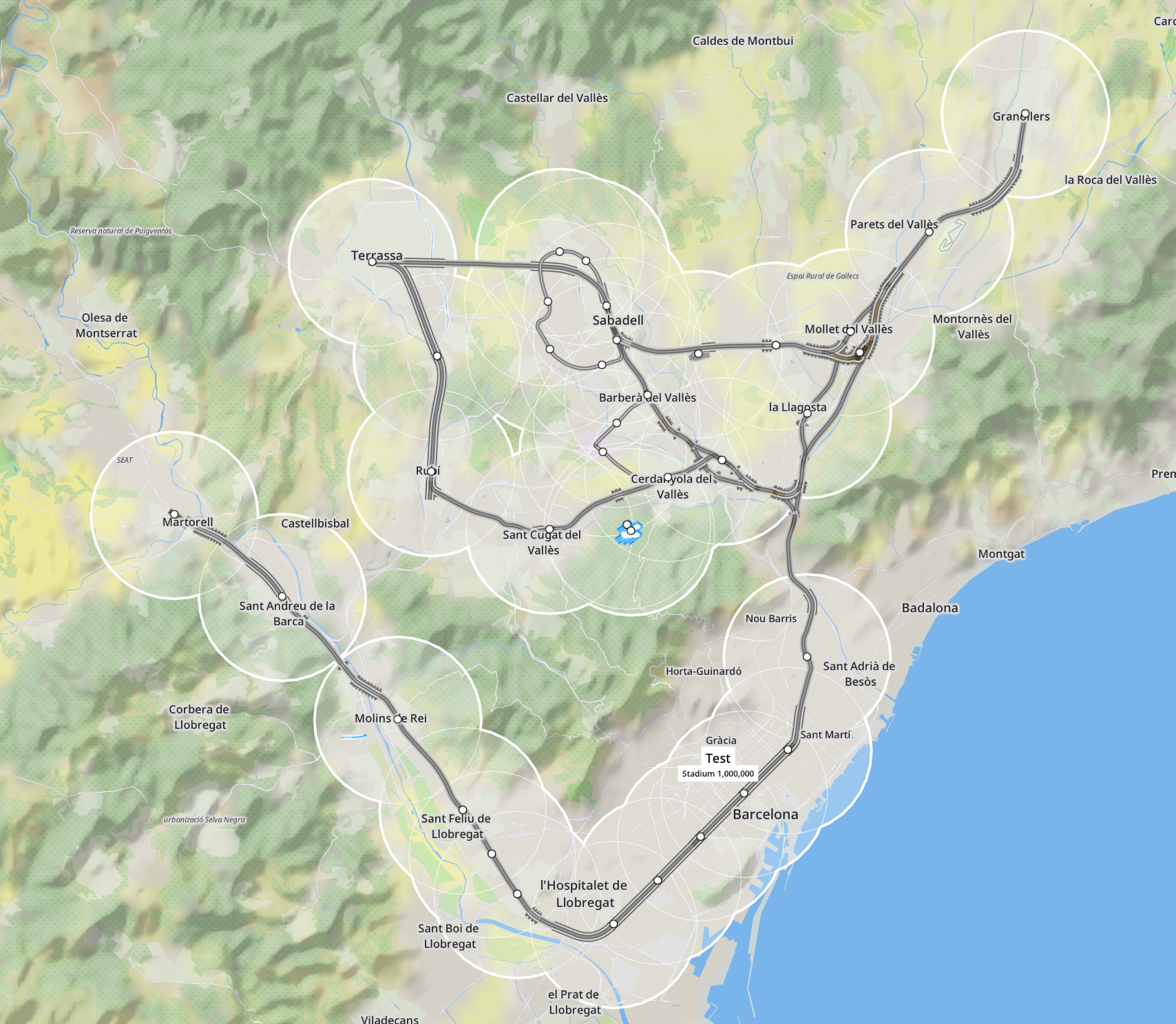 Additionally, maximum station area radius has been increased from 1.5km in 1.11 to 2.3km in 1.12.
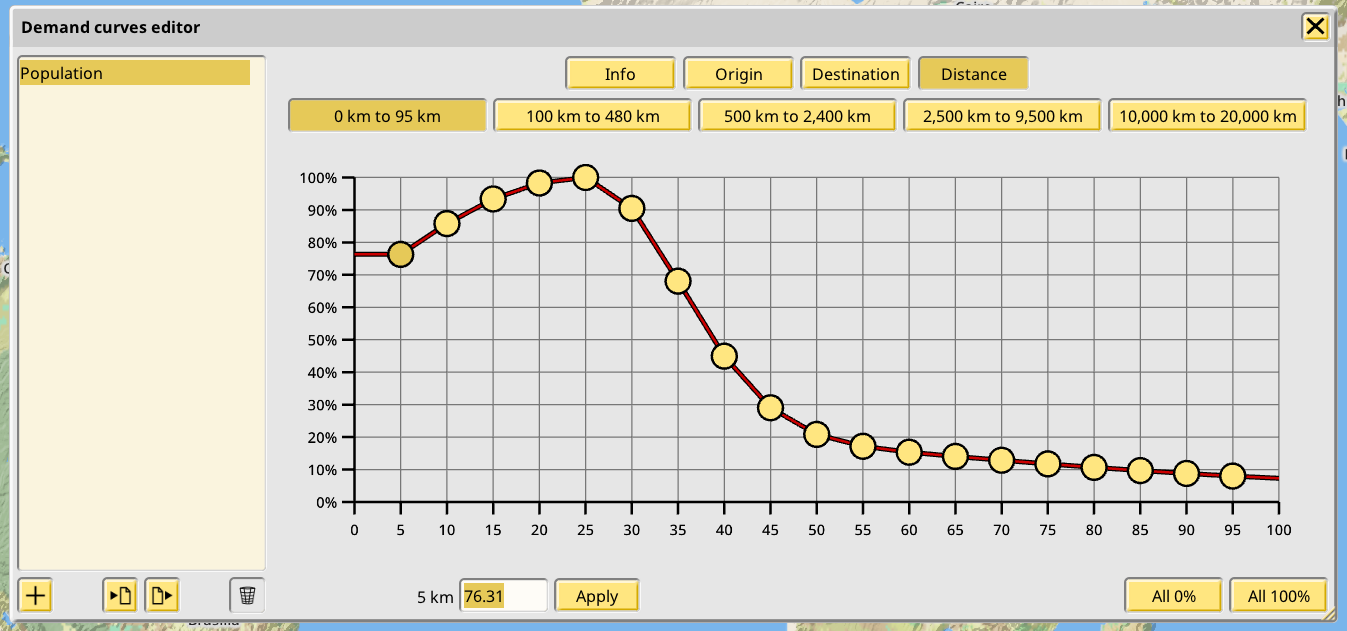
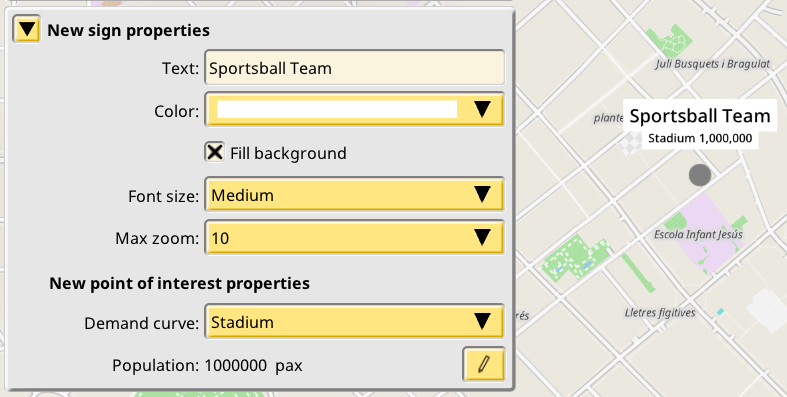 These signs count as population points, just like the built-in population texture. They can be used to for example liven up areas which see high demand in real life but have low population, like airports.
 ---
---
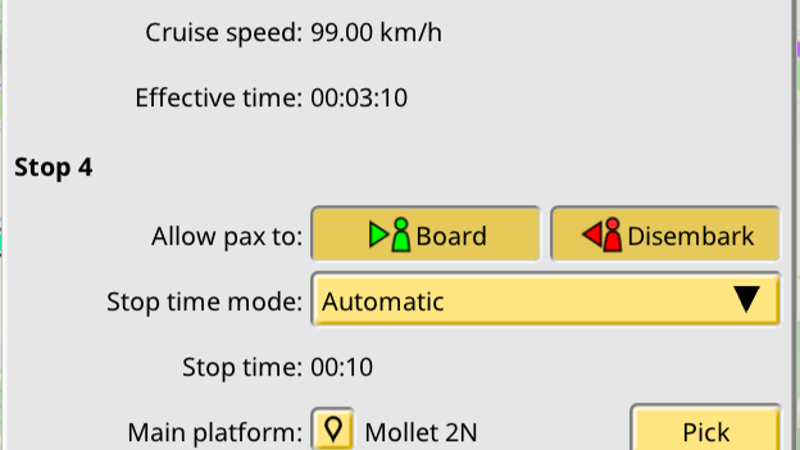 Pax pathfinding can now consider a pax staying inside a train for more than 2 train runs. This limit has been in the game since 1.5 and it is now finally removed. The pax pathfinder can now plan a path leg which keeps the pax inside the train until the train starts a technical line or an already visited station appears (not just the boarding station), whichever comes first, over any amount of train runs, including an entire week worth of them.
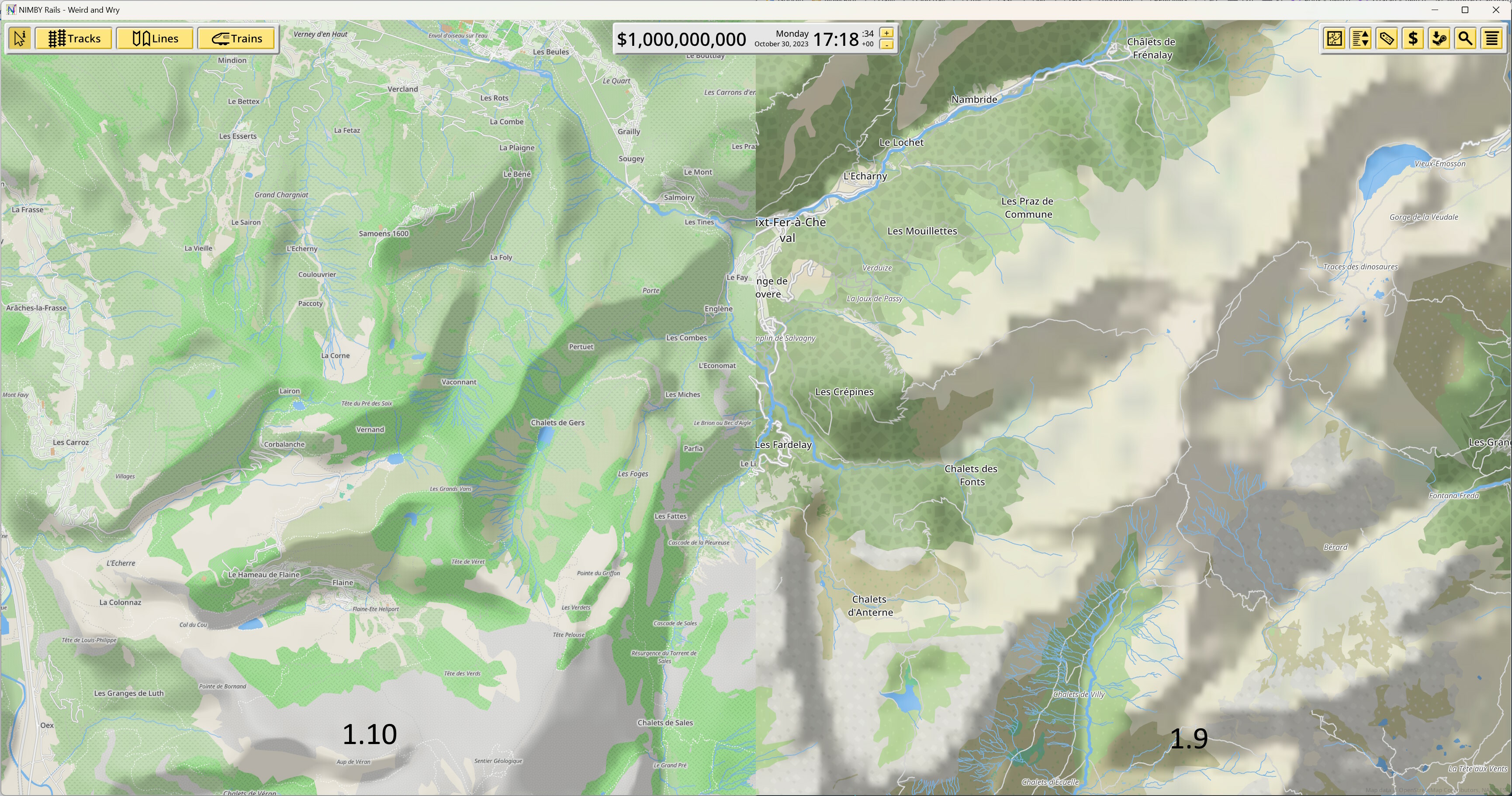 A new style has been implemented for OSM data, with better colors and less noisy textures:
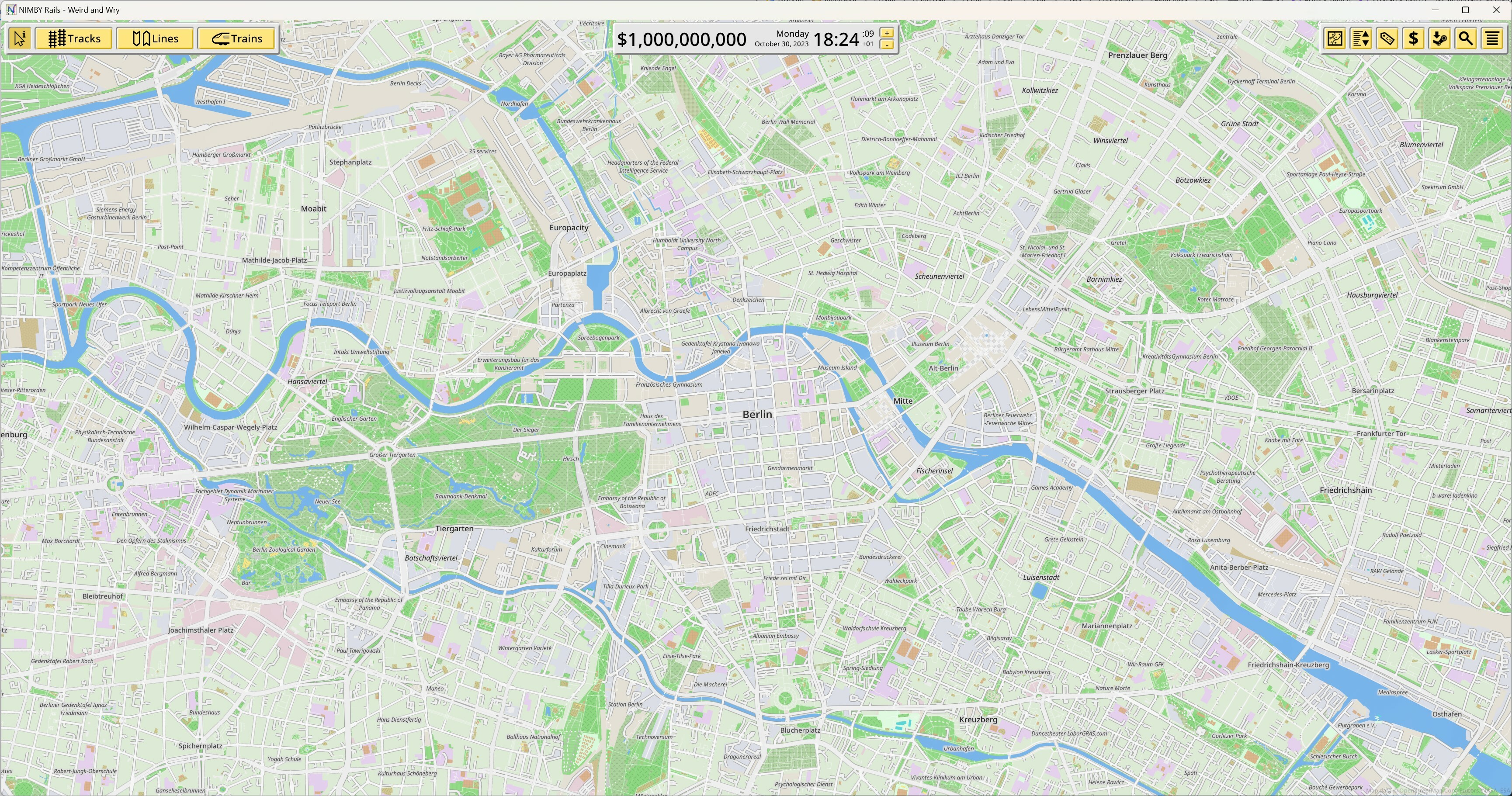 It is also enabled for map style mods, and you can already find some community provided mods in the Steam Workshop to both modify the base map and to display new information in the underlying OSM database. Read the devblogs for August, September and October for all the details:
 Loading

